
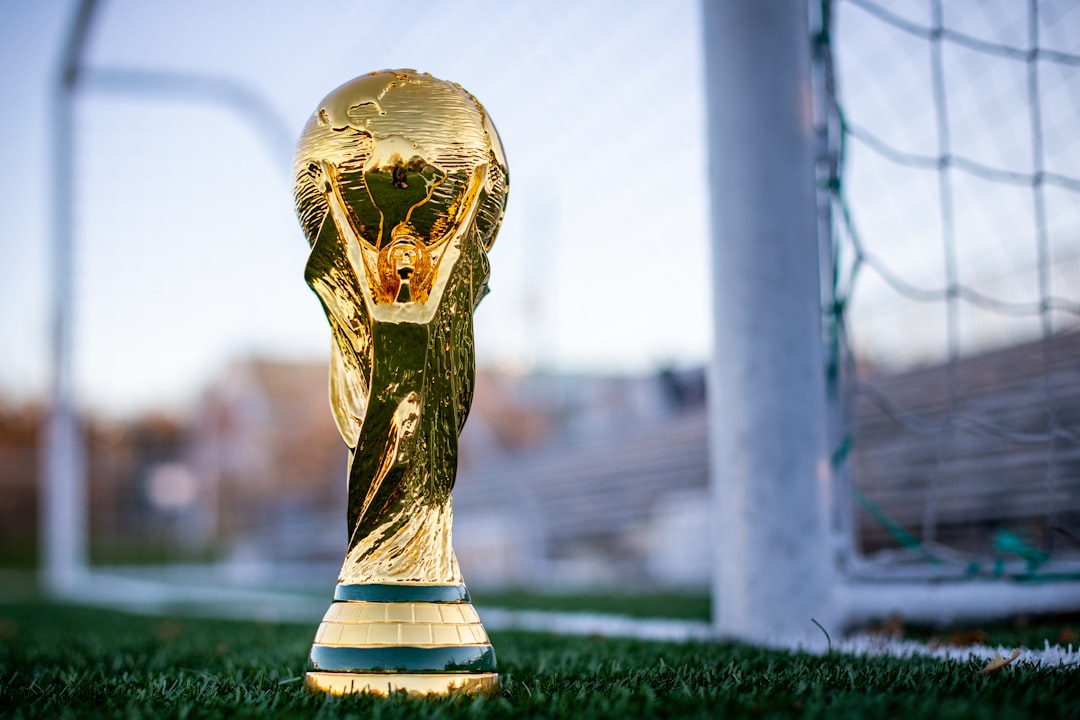
The FIFA World Cup 2026 has roared through its electrifying Round of 32, delivering a cascade of dramatic moments and setting a fierce pace for the tournament’s knockout stages. Football fans across Canada and worldwide witnessed established giants assert their dominance while underdogs pushed powerhouses to their limits. This crucial phase has intensified the Golden Boot race, showcased France’s formidable form, and saw Lionel Messi’s Argentina narrowly escape an early exit. Readers will discover the key narratives emerging from these pivotal matches and their implications for the path to the final.
- The Golden Boot race has significantly intensified, with several top strikers vying for the coveted award.
- France demonstrated scintillating form, emerging as a formidable contender for the title.
- Argentina, led by Lionel Messi, barely advanced, overcoming a resilient Cape Verde in a nail-biting encounter.
- Surprising results and tactical battles defined many of the Round of 32 matchups.
Who is Leading the Golden Boot Race?
The pursuit of the Golden Boot has become a compelling subplot of World Cup 2026. Several prolific strikers have consistently found the back of the net throughout the tournament. Early leaders from the group stage maintained their scoring prowess in the Round of 32. This includes France’s Kylian Mbappé and Brazil’s Vinicius Jr., both demonstrating clinical finishing. England’s Harry Kane also added to his tally, keeping him firmly in contention. Their individual brilliance often proved decisive in tight contests.
These top performers are not merely goal-scorers; they are integral to their team’s offensive strategies. Their ability to convert chances under immense pressure highlights their world-class status. The race remains wide open, promising further excitement as the tournament progresses. Every goal now carries immense weight for both personal accolades and national glory.
How Did France Dominate Their Opponent?
France, a perennial favourite, showcased why they are considered a leading contender for the World Cup 2026 title. Their Round of 32 performance was nothing short of spectacular. They delivered a dominant display, combining tactical discipline with individual flair. Their midfield controlled possession, dictating the tempo of the match. The French defence remained resolute, conceding minimal chances to their opposition.
Kylian Mbappé continued to be a driving force, electrifying crowds with his pace and precision. Antoine Griezmann’s vision and playmaking were also crucial, orchestrating numerous attacking moves. This comprehensive team effort signalled France’s serious intent. Their cohesive unit appears to be peaking at the perfect time in the tournament.
What Happened in Argentina’s Close Call?
Argentina faced an unexpected challenge in their Round of 32 clash against Cape Verde. The match proved to be a nail-biting affair, pushing the South American giants to their absolute limits. Cape Verde displayed remarkable resilience and tactical acumen, frustrating Argentina’s attempts to break through. Their disciplined defence and swift counter-attacks created several anxious moments for the Albiceleste.
Lionel Messi, the iconic captain, was instrumental in guiding his team through this difficult encounter. His leadership and moments of individual brilliance ultimately made the difference. Argentina’s narrow victory underscored the increasing competitiveness of the World Cup. It also served as a stark reminder that no opponent can be underestimated in this tournament. The team will need to address defensive vulnerabilities moving forward.
Were There Any Other Notable Upsets or Performances?
Beyond the high-profile clashes, the Round of 32 delivered other significant results. A resilient Morocco continued their impressive run, dispatching a highly-rated European side. Their tactical setup and passionate play resonated with fans. Similarly, Japan demonstrated their growing prowess, executing a disciplined performance to secure their spot in the next round. These outcomes underscore the shifting landscape of international football.
Several matches went into extra time, showcasing the sheer tenacity of teams fighting for survival. Penalty shootouts also added to the drama, testing the nerves of players and supporters alike. These close encounters highlighted the fine margins separating victory from elimination at this elite level. The depth of talent across confederations is increasingly evident.
Evidence and Perspectives on Performance
Analysts have pointed to several factors contributing to the intensity of these matches. The expanded format allows more teams to gain valuable knockout stage experience. This exposure fosters greater tactical development across a broader range of nations. For instance, data from the recently concluded Round of 32 shows a marked increase in defensive organization from teams historically considered underdogs. As evidenced by official tournament statistics, possession metrics were more evenly distributed than in previous tournaments for many matchups. For detailed match reports and performance data, consult the Official FIFA World Cup 2026 Tournament Statistics.
Expert commentators have also highlighted the impact of player conditioning. The demands of the modern game require peak physical fitness. Teams with deeper benches and robust rotation strategies appear to be thriving. The mental fortitude required to perform under such pressure is also a recurring theme in post-match analyses.
What Do These Results Mean for the Quarter-Finals?
The outcomes of the Round of 32 have significantly shaped the Quarter-Final matchups. Strong contenders like France and Brazil have solidified their positions, but they face increasingly difficult paths. Argentina’s narrow escape means they enter the next round with lessons learned but also potential fatigue. The tournament bracket now features a compelling mix of established powerhouses and emerging forces.
Fans can anticipate tactical masterclasses and individual heroics in the upcoming Quarter-Finals. Every match will be a high-stakes encounter, with no room for error. The competition for the coveted World Cup trophy has truly begun to heat up, promising more unforgettable moments. The road to the final in 2026 looks exceptionally challenging for all remaining teams.
The recently concluded Round of 32 has successfully ramped up the excitement for the FIFA World Cup 2026. It delivered on its promise of high-stakes football, showcasing both expected dominance and surprising resilience. As the tournament moves into the Quarter-Finals, the narratives of individual glory, national pride, and tactical genius will undoubtedly continue to unfold, captivating audiences globally.


