
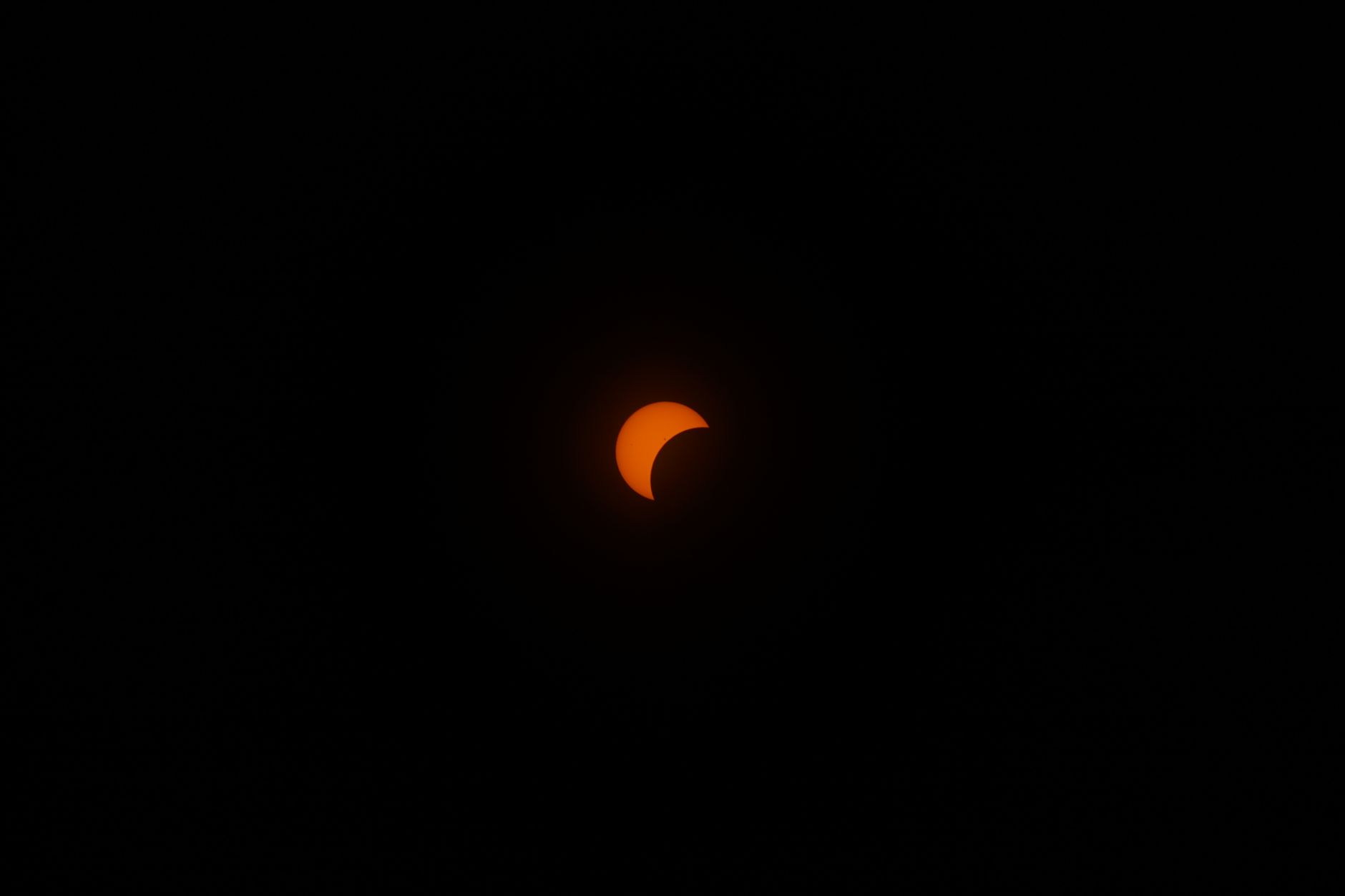
On August 12, 2025, parts of Canada experienced a significant partial solar eclipse, while observers in northern Spain witnessed a rare total solar eclipse. This celestial event captured public attention across the country, prompting discussions on safe viewing practices and astronomical phenomena. Residents in various Canadian regions observed the Moon obscuring a portion of the Sun, creating a memorable spectacle. This article will detail the eclipse’s impact on Canada, emphasize viewing safety, and outline its broader significance.
- On August 12, 2025, Canada experienced a partial solar eclipse, with the Sun partially obscured by the Moon.
- The path of totality for this eclipse was concentrated over northern Spain, where day briefly turned to night.
- Canadian astronomical societies and public health officials widely promoted essential eye safety measures for viewing the event.
- This past event underscored the growing public interest in celestial observations and the importance of scientific literacy.
How Did Canadians Experience the Partial Eclipse?
Many Canadians turned their gaze skyward on August 12, 2025, to witness the partial solar eclipse. The extent of the Sun’s coverage varied significantly depending on geographical location. Observers in eastern provinces generally experienced a greater degree of obscuration compared to those further west.
Cities like St. John’s, Newfoundland and Labrador, saw a noticeable portion of the Sun covered. Meanwhile, communities in Quebec and Ontario also reported substantial partial phases. Across the country, local astronomy clubs and science centres organized viewing events, providing specialized equipment and expert guidance.
Regional Variations in Eclipse Visibility
The Moon’s shadow cast a wide, but uneven, path across North America. Consequently, the percentage of the Sun obscured differed considerably. For instance, some Atlantic provinces experienced over 50% coverage. In contrast, parts of Western Canada observed a more subtle dimming of the Sun.
This variation highlighted the intricate mechanics of celestial alignments. It also provided a unique opportunity for Canadians to engage directly with astronomical science. Many individuals used certified eclipse glasses or pinhole projectors to safely observe the phenomenon.
Ensuring Safe Eclipse Viewing in Canada
Public safety remained a paramount concern leading up to the August 12, 2025, eclipse. Health authorities and educational institutions issued widespread warnings about the dangers of looking directly at the Sun. Staring at the Sun, even when partially obscured, can cause permanent eye damage, including solar retinopathy.
Experts consistently advised using ISO-certified solar filters or indirect viewing methods. These recommendations were crucial for protecting public eyesight. Many retailers reported a surge in demand for approved eclipse glasses in the weeks prior to the event.
The Role of Public Education and Resources
Canadian organizations played a vital role in educating the public. The Royal Astronomical Society of Canada, for example, provided comprehensive guidelines. These resources detailed safe viewing techniques and debunked common myths. Their efforts helped ensure a safe viewing experience for countless individuals.
Public libraries and community centres also distributed educational materials. This proactive approach underscored Canada’s commitment to public health and scientific awareness. It effectively mitigated potential risks associated with direct solar observation.
“The August 2025 eclipse served as a powerful reminder of the importance of eye safety during celestial events. We saw incredible engagement from communities across Canada, all eager to witness the spectacle responsibly,” stated a representative from a leading Canadian astronomical body.
Scientific Insights from the August 2025 Event
While the total eclipse offered unique opportunities for coronal studies in Spain, the partial eclipse in Canada still held scientific value. It provided a chance for public engagement with astrophysics. Furthermore, it allowed for atmospheric studies related to localized temperature changes.
Researchers in Canada monitored subtle shifts in ambient light and temperature. Such data contributes to a broader understanding of Earth’s atmosphere. Even a partial eclipse can influence local weather patterns and animal behaviour, offering valuable observational data.
Broader Astronomical Context and Future Events
The August 2025 eclipse was part of a larger cycle of celestial alignments. Astronomers continuously track these events, predicting their paths and timings with remarkable accuracy. Understanding these cycles helps refine our models of the solar system.
Looking forward, Canadians anticipate future celestial events. Another significant total solar eclipse is projected to cross parts of Canada in 2044. Such events continue to inspire new generations of scientists and space enthusiasts.
For more information on safe solar viewing practices, consult authoritative resources such as the NASA eclipse safety guidelines. These resources provide essential advice for observing solar phenomena without risk.
Implications for Canadian Science and Public Engagement
The August 12, 2025, partial solar eclipse significantly boosted public interest in astronomy and space science across Canada. Schools incorporated the event into their curricula, sparking curiosity among students. This heightened engagement is crucial for fostering scientific literacy.
The widespread safe viewing campaigns also demonstrated effective public health communication. They highlighted the importance of relying on verified scientific information. Such events reinforce Canada’s role in global scientific observation and education. The collective experience of witnessing the eclipse created a shared moment of wonder and learning for many Canadians.


