
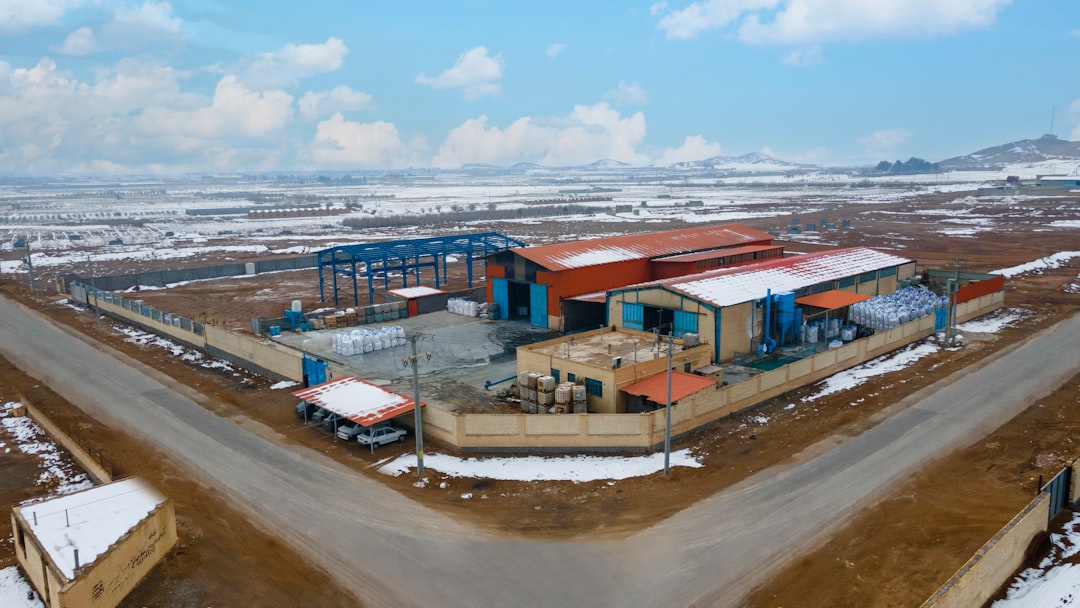
Iran’s economy faces a formidable and prolonged path to recovery, as extensive damage to industrial facilities from two recent conflicts within a single year now demands significant reconstruction efforts. Economic analysts indicate that reversing this widespread devastation could take several years, testing the resilience of a currently fragile truce. This article examines the scale of the damage, the primary obstacles to economic resurgence, and the broader implications for the region.
- Iran’s industrial sector has sustained severe damage from two recent conflicts.
- Economic recovery efforts are projected to span multiple years, necessitating substantial investment.
- The stability of a recent truce is critical for sustained reconstruction and economic progress.
- Analysts emphasize the need for robust infrastructure rebuilding and diversified economic strategies.
What is the Extent of Industrial Damage in Iran?
Industrial facilities across Iran have experienced significant devastation following two distinct conflicts within the past year. Critical infrastructure, including manufacturing plants, energy production sites, and logistical hubs, sustained direct hits. This widespread destruction severely hampers production capabilities.
Supply chains have also been severely disrupted. The damage affects both domestic distribution and international trade routes. This cascade effect impedes the flow of essential goods and raw materials, further complicating any immediate recovery efforts.
What Obstacles Impede Iran’s Economic Recovery?
The path to economic recovery in Iran is fraught with multiple challenges. Foremost among these is the sheer scale of the physical reconstruction required. Rebuilding damaged facilities demands substantial financial investment and specialized expertise.
Furthermore, a fragile truce casts a shadow over long-term planning. Any renewed instability could halt reconstruction projects and deter potential foreign investment. Access to adequate funding remains a significant hurdle for large-scale infrastructure projects.
Sanctions, where applicable, may also complicate the procurement of necessary equipment and technology. This can slow down the rebuilding process considerably. Moreover, the displacement of labour and skilled workers presents a challenge to restarting industrial operations effectively.
How Does a Fragile Truce Influence Long-Term Stability?
The current truce, while offering a window for reconstruction, remains delicate. Its stability is paramount for any meaningful long-term economic recovery. Continued geopolitical tensions in the region could easily undermine peace efforts.
Such instability directly impacts investor confidence. Businesses are hesitant to commit capital to regions perceived as high-risk. A durable peace agreement is essential to attract the foreign direct investment necessary for sustained growth.
Moreover, a stable environment allows for the consistent implementation of economic policies. This predictability is crucial for both domestic and international partners. Without it, recovery efforts risk becoming sporadic and ineffective.
What Are the Economic Projections and Expert Perspectives?
Economic analysts universally predict a prolonged recovery period for Iran. Many suggest that a return to pre-conflict industrial output levels could take several years, if not longer. This projection hinges on continuous peace and substantial external assistance.
Experts emphasize the need for a comprehensive national reconstruction plan. This plan must address not only physical infrastructure but also human capital development. Diversifying the economy beyond oil dependency is also a critical long-term strategy.
“Reconstruction is not simply about rebuilding damaged factories or restoring infrastructure,” one regional economist noted. “It also requires rebuilding investor confidence, restoring supply chains, and creating the conditions for sustainable long-term economic growth.”
Analysts caution that recovery will likely occur in phases rather than through a rapid rebound. Initial efforts are expected to focus on restoring essential infrastructure and public services before larger industrial and commercial projects can be fully implemented.
Rebuilding Critical Infrastructure
Infrastructure restoration will form the backbone of Iran’s economic recovery strategy. Damage to transportation networks, electricity generation facilities, telecommunications systems, and industrial zones has disrupted economic activity across multiple sectors.
Restoring reliable power supplies is particularly important for manufacturing industries. Modern factories depend on stable electricity to resume production efficiently, while transportation infrastructure is essential for reconnecting domestic markets and facilitating exports.
Government agencies are expected to prioritize projects that provide the greatest economic impact, including repairs to highways, rail networks, ports, and energy distribution systems. These investments can help stimulate employment while laying the foundation for broader industrial recovery.
However, the scale of reconstruction means that progress will depend heavily on available financial resources, technical expertise, and continued political stability.
The Importance of Private Sector Recovery
While public investment will play a significant role, the recovery of private businesses is equally important. Thousands of small and medium-sized enterprises contribute substantially to employment and domestic production. Many have experienced operational disruptions due to damaged facilities, interrupted supply chains, and reduced consumer demand.
Economic experts argue that policies supporting business financing, tax relief, and access to credit could accelerate recovery among private firms. Revitalizing entrepreneurship and encouraging investment will be essential for generating sustainable economic growth beyond government-led reconstruction projects.
Businesses also require predictable regulatory conditions and confidence that commercial activity can continue without significant interruption. Stable economic policy can encourage companies to reinvest in equipment, workforce development, and expanded production capacity.
Employment and Household Challenges
The conflicts have affected not only infrastructure but also the livelihoods of many Iranian families. Damage to industrial facilities has reduced employment opportunities in manufacturing, construction, logistics, and related sectors.
As reconstruction progresses, infrastructure projects are expected to create new jobs, particularly in engineering, construction, transportation, and skilled trades. Nevertheless, economists warn that labour market recovery may take considerable time, especially if industrial production remains below previous levels.
Households continue to face pressures from inflation, reduced purchasing power, and uncertainty surrounding future economic conditions. Supporting employment growth will therefore remain an important component of broader recovery efforts.
Foreign Investment and International Cooperation
Long-term reconstruction may benefit from international cooperation where diplomatic and economic conditions permit. Foreign investment can provide access to financing, advanced technology, and technical expertise needed for complex infrastructure and industrial projects.
However, investors generally seek stable political environments before committing significant capital. Continued uncertainty surrounding regional security could limit external participation and increase financing costs for major development initiatives.
International financial institutions and development organizations often emphasize governance, transparency, and economic reforms as factors that can strengthen investor confidence and improve access to long-term funding.
Diversifying the Economy
Many economists believe the recovery process presents an opportunity to pursue broader economic diversification. While the energy sector remains a major contributor to national income, expanding manufacturing, technology, agriculture, renewable energy, and knowledge-based industries could improve long-term resilience.
A more diversified economy is generally better positioned to withstand external shocks, commodity price fluctuations, and geopolitical uncertainty. Investment in education, innovation, and digital infrastructure may also help create new opportunities for sustainable growth over the coming decade.
Policymakers face the challenge of balancing immediate reconstruction needs with longer-term structural reforms that can strengthen economic competitiveness.
Regional Implications
Iran’s economic recovery carries implications beyond its own borders. The country’s economy is closely connected to regional trade, energy markets, and transportation corridors. Prolonged disruption could affect neighbouring countries through reduced commercial activity and altered trade patterns.
Conversely, successful reconstruction could strengthen regional economic cooperation by restoring trade flows and supporting infrastructure projects that connect markets across the Middle East and Central Asia.
Regional stability will therefore remain an important factor influencing both domestic recovery and broader economic integration.
Looking Ahead
Iran’s path toward economic recovery is expected to be lengthy and complex. Rebuilding damaged industrial facilities, restoring infrastructure, supporting businesses, and strengthening employment will require sustained commitment over several years.
The durability of the current truce will play a decisive role in determining whether reconstruction efforts can proceed without major interruptions. Political stability, investor confidence, and effective economic planning are all essential ingredients for long-term success.
Although the challenges remain significant, carefully managed reconstruction offers an opportunity to modernize infrastructure, diversify economic activity, and improve resilience against future shocks. Achieving these goals will depend on coordinated policy implementation, adequate investment, and continued efforts to maintain peace.
Ultimately, Iran’s economic future will be shaped not only by the rebuilding of physical infrastructure but also by its ability to restore confidence among businesses, workers, and international partners. If stability can be preserved and reforms sustained, the country may gradually transition from recovery toward renewed economic growth despite the immense challenges left in the wake of recent conflicts.


