
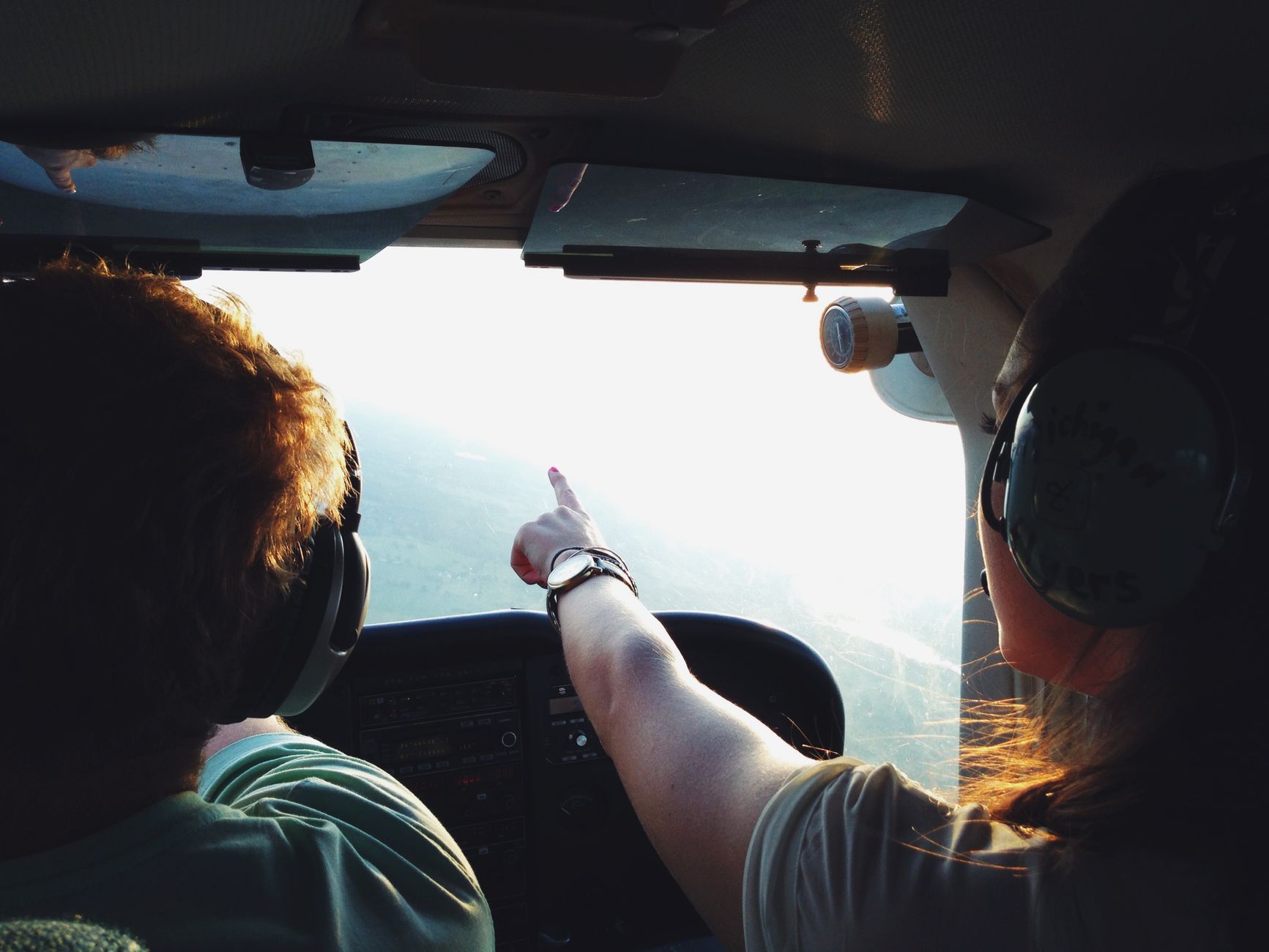
A routine flight lesson in Argentina recently transformed into a critical emergency when a student pilot was left to execute an unassisted landing. Her flight instructor reportedly jumped from the aircraft mid-flight, creating an unprecedented and life-threatening situation. The student, demonstrating remarkable composure and skill, successfully landed the small plane. This harrowing event has ignited urgent discussions about aviation safety protocols, instructor mental health, and the incredible resilience required for a student pilot emergency landing.
- A student pilot in Argentina executed a successful emergency landing after her instructor exited the aircraft mid-flight.
- The incident has prompted a formal investigation by aviation authorities into the instructor’s actions.
- This event underscores the critical importance of robust emergency training and comprehensive psychological assessments for flight instructors.
- The aviation community is now reviewing existing safety measures and support systems for pilot mental well-being.
The Unfolding Crisis: A Student’s Solo Ordeal
The incident occurred during what was intended to be a standard training flight. Suddenly, the instructor reportedly opened the cockpit door and exited the aircraft. This left the student pilot entirely alone, thousands of feet above the ground.
Air traffic control quickly became aware of the developing crisis. Controllers provided vital guidance and support to the distressed student. Her ability to remain calm under extreme pressure proved instrumental in navigating the aircraft safely back to the airfield.
How Did the Student Pilot Manage the Emergency Landing?
Student pilots undergo rigorous training in emergency procedures. While solo flights are part of the curriculum, an instructor leaving the aircraft is an unheard-of scenario. This student relied on her foundational training and the real-time instructions from air traffic control.
Her training likely included extensive practice in handling various aircraft malfunctions and unexpected situations. The successful landing highlights the efficacy of fundamental pilot instruction. It also demonstrates the critical role of ground support in such dire circumstances.
The Psychological Toll on the Student Pilot
The experience undoubtedly placed immense psychological strain on the student. Surviving such a traumatic event requires extraordinary mental fortitude. Support services will be crucial for her recovery and continued well-being. The aviation community recognizes the lasting impact of critical incidents on individuals.
Despite the successful outcome, the memory of being suddenly abandoned mid-air will persist. It underscores the need for comprehensive post-incident care. This care extends beyond physical safety to include mental health support for all involved.
What Are the Standard Safety Protocols for Flight Training?
Aviation training programs are built on strict safety protocols. Instructors are highly vetted professionals. They are responsible for the well-being and education of their students.
These protocols include thorough pre-flight checks and in-flight supervision. They also cover emergency procedure drills. The unexpected nature of this event falls outside typical emergency planning. However, it showcases the adaptable nature of well-trained pilots.
Examining Instructor Mental Health and Aviation Safety
This incident brings instructor mental health into sharp focus. The aviation industry places a high priority on pilot psychological well-being. Regular medical examinations include mental health assessments.
However, the specifics of this case suggest potential gaps. Authorities will likely review the frequency and depth of these evaluations. The goal is to prevent similar tragedies. Ensuring the mental fitness of all aviation personnel is paramount.
The International Civil Aviation Organization (ICAO) provides comprehensive guidelines. These guidelines cover personnel licensing and medical requirements. They emphasize the importance of mental health in aviation safety. Further details on global aviation safety standards are available from ICAO.
How Do Aviation Authorities Respond to Such Incidents?
Aviation authorities in Argentina immediately launched a comprehensive investigation. Their inquiry will seek to understand the instructor’s motivations. It will also examine any contributing factors.
These investigations are thorough and multifaceted. They involve interviewing witnesses and analyzing flight data. The findings will inform future safety recommendations. They may also lead to adjustments in training or screening protocols.
Such incidents, while rare, often prompt broader industry reviews. These reviews aim to bolster existing safety frameworks. The ultimate goal remains maintaining the highest standards of aviation safety worldwide.
Implications for Future Pilot Training and Support
The courage of the student pilot in Argentina serves as a powerful testament to effective training. Yet, the circumstances demand a closer look at instructor oversight. It also calls for enhanced psychological support systems.
Moving forward, the industry may see renewed emphasis on instructor mental health checks. There could also be revisions to emergency protocols. These changes would address scenarios previously considered unimaginable. The incident reinforces the need for continuous vigilance and adaptation within aviation safety. It also highlights the incredible human capacity for resilience in crisis.


