
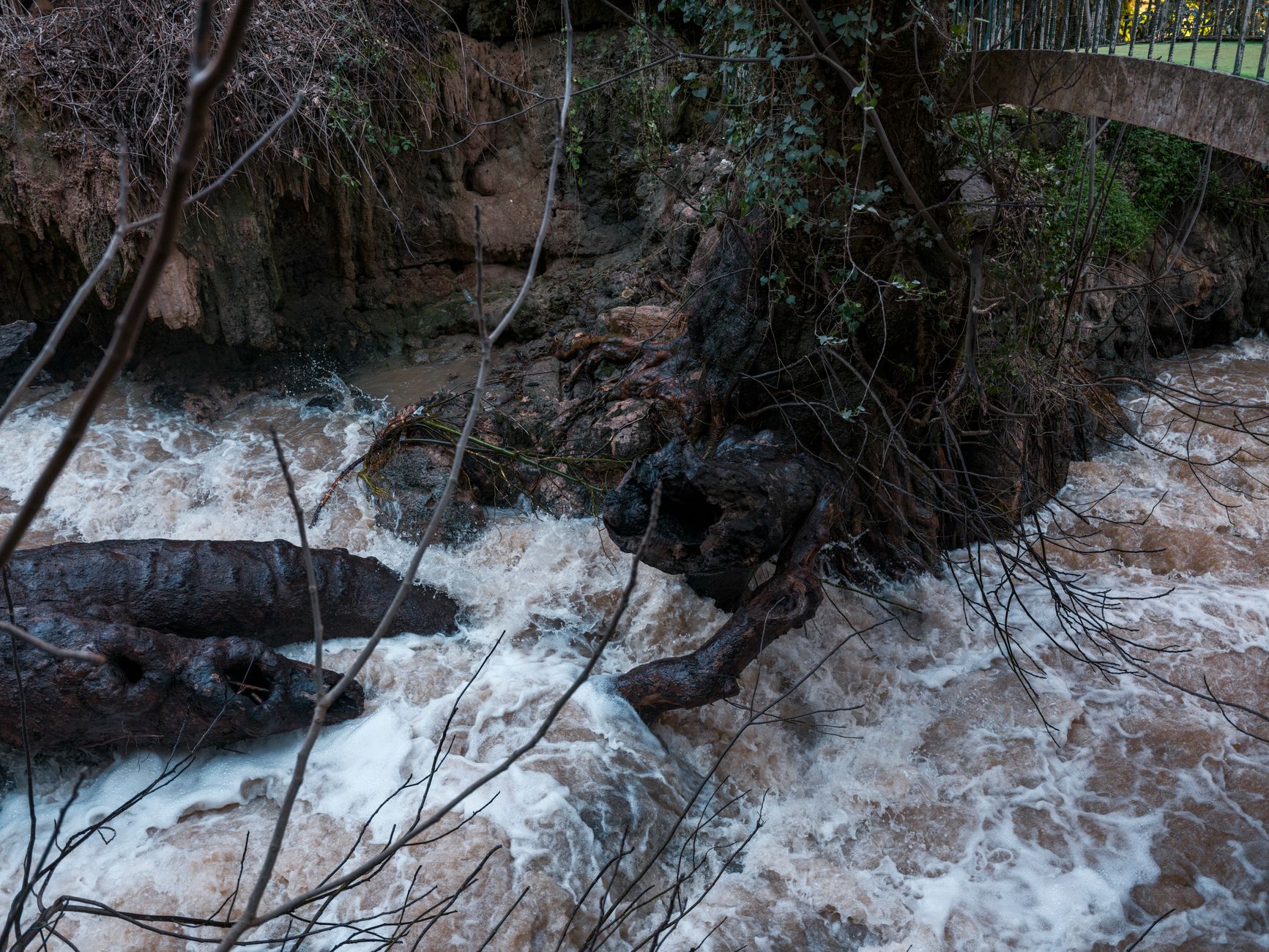
Kananaskis Country is drying up rapidly following severe regional flooding. However, several critical trail networks remain strictly off-limits to the public. Two weeks after torrential rainfall triggered evacuations and a bridge collapse, rangers are assessing local infrastructure. You will learn about current Kananaskis trail closures, ongoing remediation efforts, and essential safety guidelines.
- Severe flooding recently prompted evacuations and destroyed a key bridge in Kananaskis.
- While many areas are drying out, select trails remain closed due to structural damage.
- Alberta Parks officials urge hikers to respect closures to ensure public safety.
- Recreationists should monitor live updates before planning backcountry trips.
Why Did the Recent Kananaskis Flooding Occur?
Recently, an intense atmospheric system dropped unprecedented rainfall across southwestern Alberta. The sudden deluge overwhelmed local waterways in Kananaskis Country. Consequently, these surging waters caused immediate flash floods in steep mountain valleys.
During the peak of the surge, a critical pedestrian bridge collapsed under the force of debris. This structural failure isolated several popular hiking routes. Emergency crews acted swiftly to evacuate campgrounds and low-lying recreational areas.
Although the weather has cleared, the physical scars on the landscape remain highly visible. Saturated soils require time to stabilize before safe foot traffic can resume. Environmental monitoring teams are currently tracking the recovery process across the region.
How Is the Kananaskis Landscape Recovering?
Warm summer temperatures are accelerating the natural drying process across the Bow Valley corridor. Soil moisture levels have dropped significantly over the past several days. Runoff volume in major creeks is finally returning to normal seasonal baselines.
However, the rapid retreat of the water reveals extensive erosion along riverbanks. Trail crews are currently mapping washed-out paths and unstable slopes. Many popular routes require extensive debris removal before they can reopen safely.
In addition, park staff must clear fallen trees that block key access points. Saturated roots often fail, causing large trees to fall across paths. These hazards require specialized crews to clear safely.
Which Kananaskis Trail Closures Remain in Effect?
Despite the improving weather, public safety agencies have maintained active restrictions on high-risk zones. The areas surrounding the collapsed bridge remain entirely closed. Park rangers warn that entering these zones poses severe safety hazards.
According to official Alberta Parks public safety advisories, structural engineers must certify damaged bridges first. Geotechnical teams are also monitoring active slide zones along steep canyon paths. Hikers who bypass these barriers face significant fines under provincial regulations.
Many secondary trails also remain closed due to mudslides and debris. These closures help prevent further trail damage during the delicate drying phase. Respecting these boundaries ensures your safety and protects the fragile mountain terrain.
How Does the Infrastructure Damage Affect Local Wildlife?
Flooding alters natural habitats and influences wildlife behaviour across Kananaskis Country. Rising waters force large mammals like bears and elk to seek higher ground. This movement often brings animals closer to active human recreation zones.
Consequently, the risk of human-wildlife conflict increases during the post-flood recovery period. Park officials emphasize the importance of carrying bear spray in accessible areas. Keeping dogs on leashes is also critical for preventing unwanted encounters.
Additionally, damaged riverbanks can disrupt spawning habitats for native fish species. Siltation from eroded slopes reduces water quality in local streams. Conservationists are monitoring these aquatic habitats to assess long-term ecological impacts.
What Are the Broader Implications for Summer Tourism?
The timing of the flood presents a major challenge for local tourism operators. Kananaskis Country serves as a premier destination for outdoor enthusiasts during summer. Prolonged trail closures could redirect heavy visitor traffic to undamaged, congested areas.
This displacement raises concerns regarding wildlife encounters and trail degradation in open zones. Concentrated human activity can disrupt local wildlife patterns. Park wardens are encouraging hikers to explore alternative destinations within the province.
By spreading out, visitors can minimize their collective ecological footprint. Local businesses are also adapting by promoting alternative low-impact recreational activities. This proactive approach helps sustain the regional tourism economy during recovery.
How Can Hikers Prepare for Changing Backcountry Conditions?
Safety in the backcountry requires adaptability and thorough preparation. Trail conditions can change rapidly as loose gravel shifts. Hikers must carry essential navigation tools and extra supplies on every excursion.
Furthermore, respecting active closures protects both visitors and search and rescue personnel. Emergency response times may be delayed in areas with compromised road access. Checking daily trail reports ensures a safe and predictable outdoor experience.
As summer progresses, the resilience of the Alberta wilderness remains on full display. Collaborative restoration efforts will eventually restore full access to these cherished mountain landscapes. For now, patience and informed planning are the best tools for navigating the changing season safely.


