
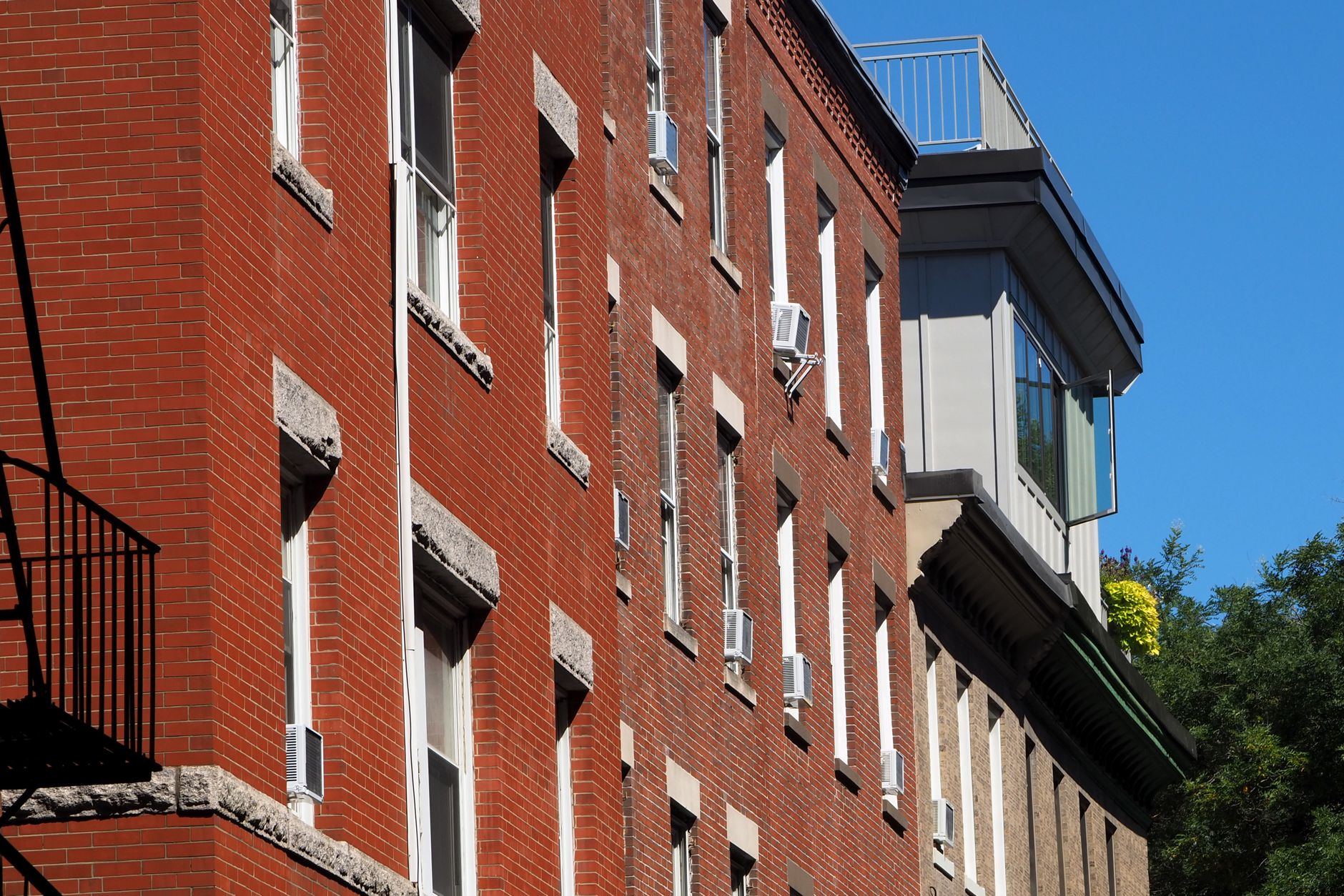
A fatal Edmonton apartment building fire in the city’s northeast neighbourhood has claimed one life. The incident triggered a massive emergency response. Eleven fire crews rushed to the multi-family structure to execute a complete evacuation. This article details the emergency response, the ongoing investigation, and critical fire safety protocols for Canadian renters.
- One fatality is confirmed following a severe apartment fire in northeast Edmonton.
- Eleven fire crews and up to ten ambulances managed the evacuation and medical triage.
- Local authorities have launched a comprehensive investigation into the cause of the blaze.
What happened during the northeast Edmonton incident?
First responders arrived at the residential complex following multiple urgent emergency calls. Heavy smoke poured from the upper floors of the building. Firefighters immediately faced challenging conditions as they entered the structure.
The rapid spread of the fire required additional support. Eventually, eleven distinct fire crews arrived to assist with containment and rescue operations. Their primary goal was to secure the safety of all occupants.
How did emergency services manage the evacuation?
Tactical teams systematically cleared each floor of the apartment complex. They guided frightened residents through smoke-filled hallways to safety. Meanwhile, emergency medical services established a large-scale triage station nearby.
Between eight and ten ambulances staged in the immediate area. Paramedics prepared to treat residents for severe smoke inhalation and shock. Despite these extensive efforts, medical officials confirmed one fatality at the scene.
Authorities have not yet released the identity of the deceased individual. They are waiting to notify the next of kin. No other major injuries have been reported from the site.
The sheer scale of the response drew crowds of concerned neighbours. Police cordoned off several streets to allow emergency vehicles unimpeded access. This coordination allowed crews to work efficiently under intense pressure.
What are the safety standards for multi-family buildings?
This incident raises serious questions about fire prevention in high-density housing. Municipalities enforce strict guidelines to protect tenants in multi-family structures. The Alberta Safety Codes Act establishes the legal framework for building safety.
Property owners must maintain fully operational smoke alarms in every unit. They must also inspect fire extinguishers annually. Furthermore, emergency exit pathways must remain completely clear of debris.
The role of regular safety inspections
Municipal inspectors regularly evaluate older apartment complexes to ensure compliance. These visits help identify faulty electrical wiring or blocked fire escapes. Property managers who fail to address these hazards face severe financial penalties.
Tenants should also conduct regular checks of their own smoke detectors. Testing these devices monthly significantly increases survival rates during unexpected fires.
Fire doors play a critical role in containing flames to a single unit. When closed, these heavy doors block oxygen and slow the spread of fire. Residents must never prop these doors open for convenience.
How do investigators determine the cause of residential fires?
Specially trained fire investigators are now analyzing the scene. They will meticulously examine the point of origin to understand how the fire started. This process involves studying burn patterns and analyzing electrical systems.
Investigators will also interview survivors and first responders. Their testimonies help reconstruct the timeline of the event. Gathering this evidence is crucial for preventing future tragedies.
The challenges of structural investigations
Soot and structural damage can obscure critical evidence. Investigators must move slowly to ensure their own safety inside the unstable building. They will search for any signs of accelerants or mechanical failure.
A final report on the cause may take several weeks to complete. Officials want to ensure absolute accuracy before releasing their findings to the public.
What support is available for displaced residents?
The sudden loss of housing creates immense stress for affected families. Local disaster social services have set up a temporary reception centre. Staff are providing immediate food, clothing, and emergency shelter.
Mental health professionals are also on-site to offer grief counselling. Coping with a sudden tragedy requires professional guidance and community support. Local health authorities encourage anyone struggling to reach out for assistance.
Community organizations are also collecting donations to assist the victims. These efforts help families rebuild their lives after losing their belongings.
Moving forward, municipal leaders emphasize the importance of tenant insurance. This coverage helps residents recover the cost of lost personal property. It also assists with temporary relocation expenses during crises.
Ensuring every resident understands their safety rights remains a top priority. Active community education programs can prevent similar devastating events in the future.


