
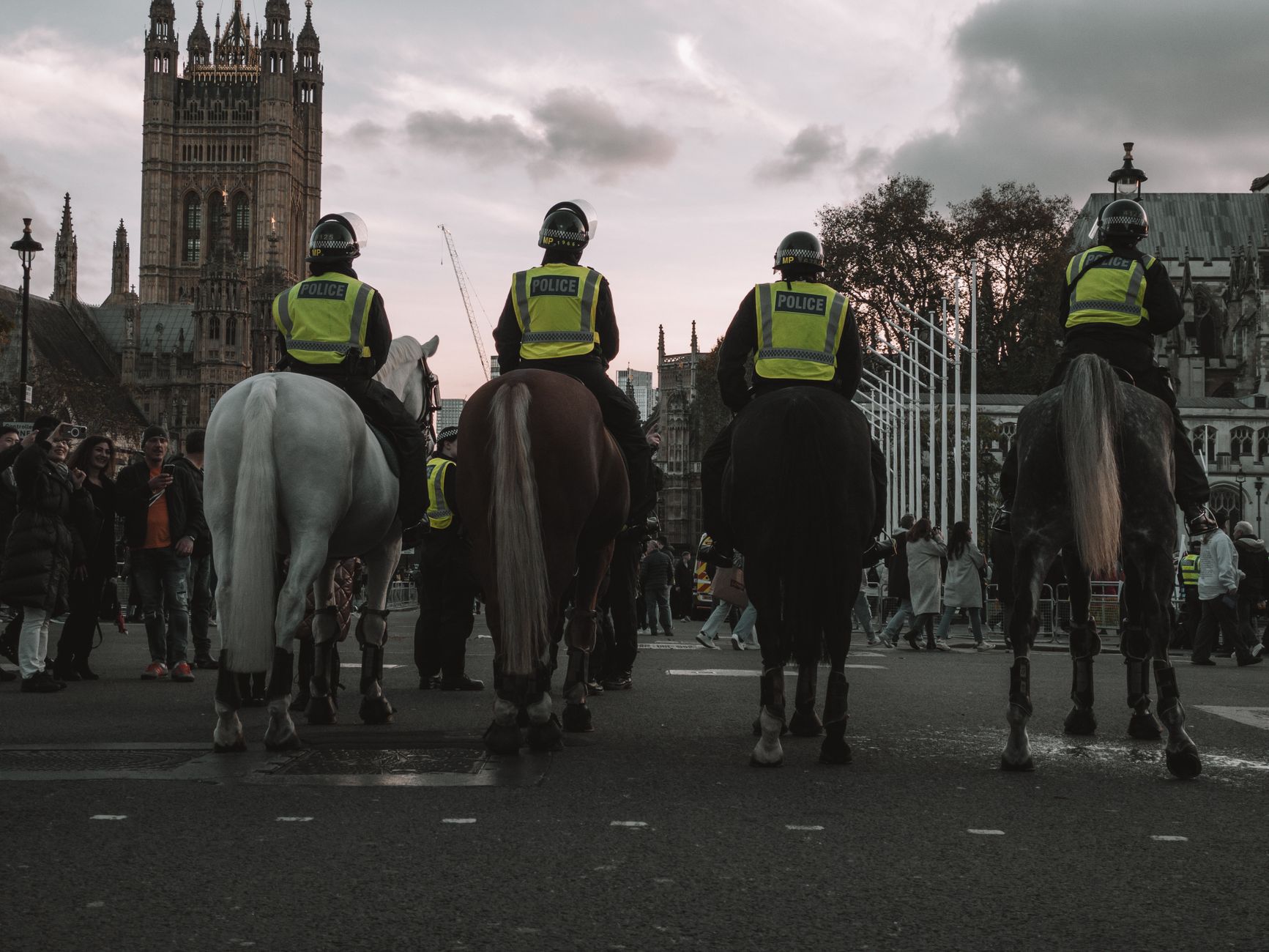
British counterterrorism police have taken the lead in the investigation into the killing of veteran conservative politician Ann Widdecombe. The Home Office confirmed this transition after detectives uncovered significant new evidence. This development shifts the case from a local homicide inquiry to a national security matter. Readers will discover the shifting counterterrorism investigation, security implications for officials, and political reactions across the United Kingdom.
- Counterterrorism officers have assumed control of the inquiry into Ann Widdecombe’s death.
- The decision follows the discovery of critical new evidence by initial investigators.
- Security protocols for British politicians are undergoing immediate national review.
What is the background of the investigation?
The tragic death of the veteran politician sent shockwaves through Westminster. Initially, local police forces handled the case as a localized criminal incident. They secured the scene and began routine forensic analysis.
However, specialized units stepped in as the complexity of the evidence grew. Consequently, the Home Office elevated the operational priority of the case. This move reflects the gravity of threats directed at public figures.
Historically, British politicians have maintained close contact with their constituents. This open-door policy is a cornerstone of the democratic system. Sadly, it also exposes public figures to unique vulnerabilities.
In recent years, security agencies have monitored a rise in hostile rhetoric. This trend has raised concerns among law enforcement agencies. As a result, the transition to a counterterrorism footing was deemed necessary.
Why has the counterterrorism unit assumed control?
The transition of the case highlights the potential political or ideological motives behind the attack. According to official statements, fresh forensic and digital evidence prompted this strategic shift. Investigators discovered materials that suggest a planned, targeted assault.
Furthermore, specialist anti-terror officers possess advanced resources to track international links. This expertise is crucial for analyzing complex communication networks. They can access specialized databases and coordinate with global intelligence partners.
Consequently, the Metropolitan Police and regional counterterrorism networks are now pooling their resources. This collaborative effort ensures a comprehensive analysis of all digital footprints. Detectives are currently examining encrypted messaging apps and online forums.
They are also interviewing individuals who interacted with the suspect prior to the incident. This meticulous approach aims to identify any potential co-conspirators. The involvement of counterterrorism units ensures no stone is left unturned.
How does this impact security for public officials?
This high-profile incident has reignited intense debates surrounding the safety of British politicians. Historically, public servants in the United Kingdom have faced escalating threats. Many represent communities without armed security presence.
In response, the government is reviewing current protection details for prominent public figures. Security experts are advocating for standardized, mandatory protection protocols. These measures would apply during public surgeries and community events.
As detailed on the UK Home Office official portal, security services are actively assessing local threat levels. These assessments will dictate future security funding allocations.
Additionally, local police forces have been instructed to increase patrols around constituency offices. Officers are working closely with political staff to improve physical security. This includes installing advanced surveillance systems and panic alarms.
Furthermore, politicians are being advised to conduct threat assessments before public appearances. These precautionary steps aim to deter potential attackers. However, balancing security with public accessibility remains a difficult challenge.
How are political leaders responding to the development?
Political leaders across the spectrum have condemned the attack in the strongest terms. They have urged the public to remain calm during the active counterterrorism investigation.
Many colleagues have shared fond memories of the veteran politician. They describe her as a dedicated public servant who championed local causes.
Furthermore, international allies have expressed their condolences to the British government. These expressions of support highlight the global impact of the incident.
Intelligence agencies abroad are also monitoring the situation closely. They are sharing relevant information with British authorities to assist the probe.
This international cooperation is vital for addressing modern security challenges. It ensures that any cross-border links are quickly identified and neutralized.
What are the wider implications for British politics?
The escalation of this inquiry underscores a growing concern over targeted violence against political figures. Analysts warn that such events could restrict the traditional accessibility of British politicians. This could fundamentally alter the relationship between citizens and their representatives.
Traditionally, British representatives pride themselves on face-to-face community engagement. However, security experts suggest that virtual meetings might temporarily replace some physical gatherings. This shift could impact democratic engagement in the long term.
Moreover, political parties are calling for a unified stance against political violence. Leaders from all major factions have expressed solidarity. They emphasize that violence must never undermine democratic institutions.
The ongoing investigation will likely influence future legislative debates on public safety. Lawmakers may introduce stricter penalties for threats against public officials. This legislative response would signal a zero-tolerance approach to political intimidation.
Ultimately, the investigation aims to protect democratic processes while securing justice for the veteran politician. The findings will shape the security landscape for years to come. Ensuring the safety of representatives is vital for a functioning democracy.


