
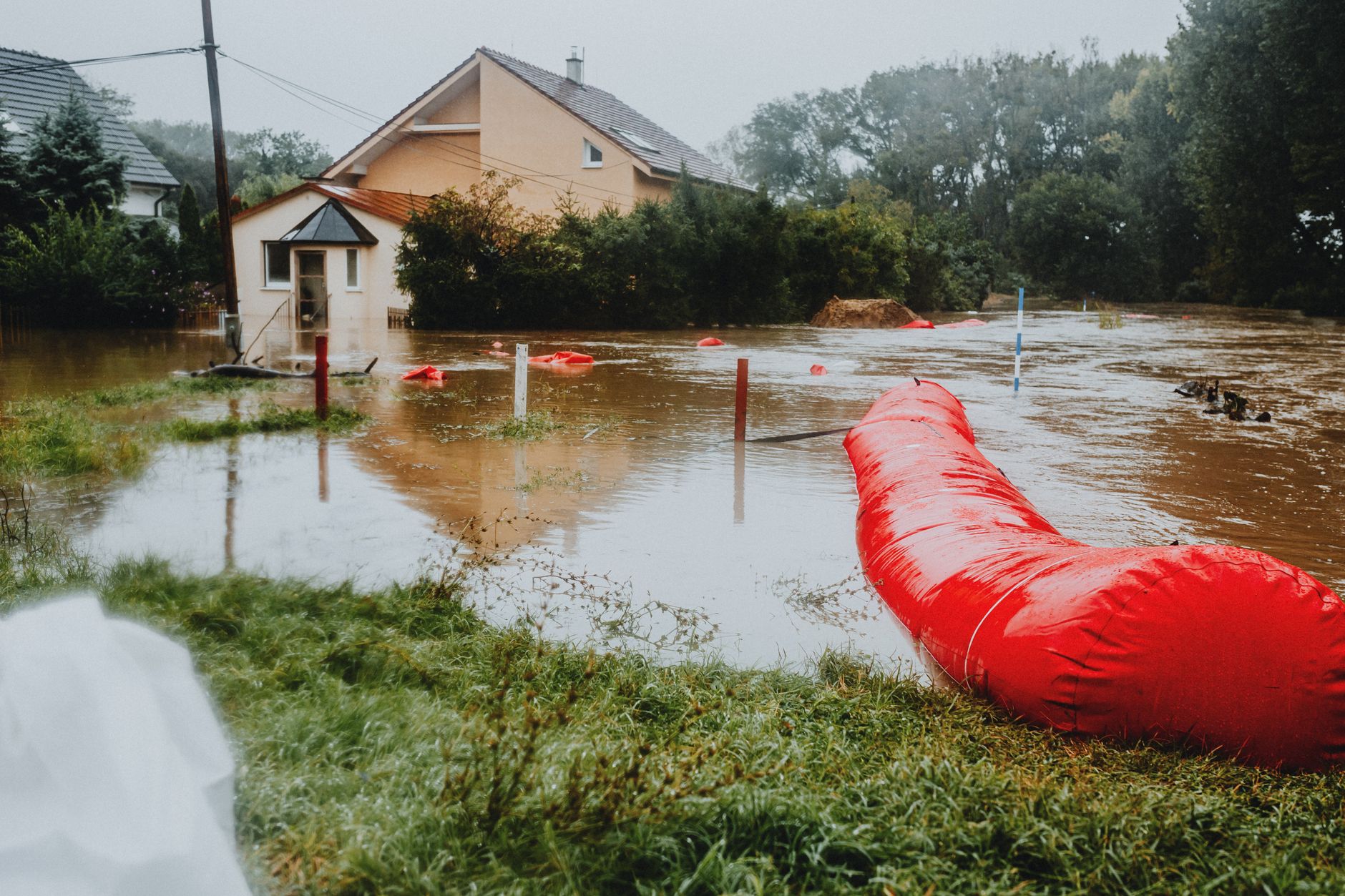
A tragic drowning in southeast Calgary has reignited urgent discussions surrounding Calgary stormwater pond safety and residential water hazards. Seven-year-old Drihanna Matamona lost her life after slipping into a local retention pond. This tragedy prompted immediate community-led fundraising efforts to support her grieving family. Readers will learn about safety regulations for urban retention basins. We also examine community responses designed to prevent future tragedies.
- A devastating drowning in southeast Calgary has claimed the life of seven-year-old Drihanna Matamona.
- A community-led GoFundMe campaign is actively raising funds to support the grieving family with immediate expenses.
- The tragedy highlights ongoing safety concerns regarding open access to stormwater retention ponds in residential areas.
- Safety advocates are calling for enhanced public awareness and physical barriers around urban water hazards.
The incident occurred in a residential neighbourhood in southeast Calgary. Emergency crews responded to reports of a child in the water. Despite rescue efforts, the young girl could not be saved.
This devastating loss has deeply impacted local residents. Consequently, a crowdfunding campaign was launched to assist the Matamona family. The funds will help cover funeral costs and immediate household bills.
This gesture reflects a community rallying in a time of profound sorrow. However, it also highlights the urgent need to address public safety near artificial water bodies.
Why Are Stormwater Ponds Dangerous for Residential Areas?
Stormwater ponds look like natural lakes but function as engineered infrastructure. They collect urban runoff and control local flooding. However, these basins present hidden hazards that pose severe risks to young children.
First, the water depth can change rapidly during and after rainfall. Second, the banks of these ponds are often steep and slippery. Vegetation can easily conceal deep drop-offs near the water’s edge.
Additionally, the water quality in these ponds is often poor. Runoff contains pollutants, road salt, and agricultural chemicals. Consequently, these factors make retention ponds highly unsuitable for recreational activities.
Furthermore, underwater currents can pull weak swimmers under the surface. In winter, the ice on these ponds is notoriously unstable. This instability is due to the continuous flow of warmer runoff underneath.
What Safety Measures Protect Communities from Retention Ponds?
Municipalities across Canada manage thousands of stormwater retention facilities. Currently, safety guidelines rely heavily on public education and warning signs. Most cities place prominent signs advising residents to stay away from the water.
However, physical barriers like fencing are rarely installed around these ponds. Fencing can interfere with maintenance access and natural wildlife movement. It also increases municipal infrastructure costs significantly.
According to safety standards, educational outreach remains the primary line of defence. The Lifesaving Society Alberta and Northwest Territories emphasizes that active supervision is vital near any water body. They advocate for teaching children about the specific dangers of neighbourhood ponds.
Many cities also distribute educational materials to households near these basins. These campaigns aim to dispel the myth that retention ponds are safe recreational parks.
How Do Urban Planners Approach Stormwater Safety?
Urban planners must balance safety with environmental performance when designing communities. Modern subdivisions often feature these ponds to manage heavy rainfall events.
Consequently, developers design ponds with gradual slopes called safety benches. These shallow areas provide a safer zone if someone slips near the edge.
However, safety advocates argue that physical barriers are still necessary in high-density areas. Some suggest planting dense, thorny vegetation around the perimeter. This natural barrier discourages children from approaching the water’s edge.
Additionally, improved lighting around these facilities can enhance visibility during evening hours. Community feedback often drives these design adjustments in new developments.
How Can Families Prevent Water-Related Accidents at Home?
Preventing future tragedies requires a multi-layered approach to child safety. Parents must talk to their children about the dangers of open water. Specifically, children should know that stormwater ponds are not play areas.
Furthermore, community members should report damaged warning signs to local authorities. Keeping a close eye on playgroups in residential areas is equally important. Small children can wander off quickly and silently.
Finally, enrolling children in swimming lessons can build essential water survival skills. While lessons do not replace supervision, they provide a critical layer of protection. Community centres often offer subsidized programmes to ensure access for all families.
What Support Is Available for the Matamona Family?
The Calgary community has shown immense solidarity following this heartbreaking event. Local organizers quickly established a GoFundMe page to assist the family. The campaign aims to alleviate financial stress during their grieving process.
Donations will directly cover funeral expenses and essential household bills. This support allows the family to focus on healing without immediate financial worry. The overwhelming response demonstrates the deep compassion of Calgary residents.
Moving forward, advocates hope this tragedy inspires lasting safety improvements. Enhanced signage and community education could save lives in the future. Protecting vulnerable children remains a shared responsibility for every neighbourhood.


