
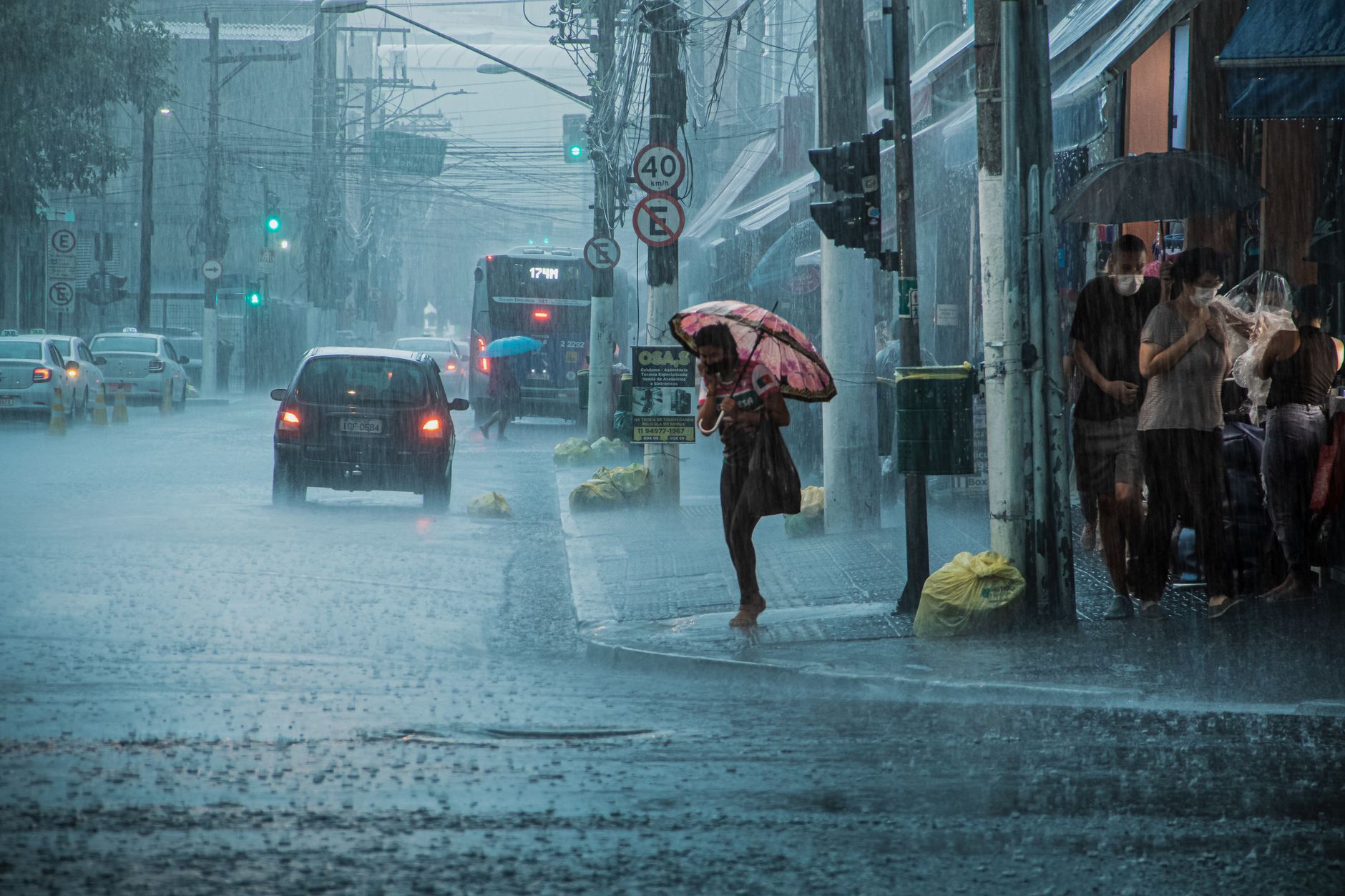
Edmonton is facing a critical infrastructure challenge as repeated heavy rainfall events push the municipal drainage network to its absolute limit.
Local utility provider EPCOR recently warned that saturated ground can no longer absorb water normally.
Consequently, excess runoff is flooding underpasses, triggering sinkholes, and washing out critical roadways across the city.
Readers will learn how this strain impacts transit and what emergency measures are underway.
This analysis also examines how the city plans to adapt its Edmonton stormwater infrastructure.
- Saturated soil conditions have severely reduced Edmonton’s natural water absorption capacity.
- Increased runoff has triggered localized flooding, sinkholes, and significant road washouts.
- Utility provider EPCOR is actively managing the strain on municipal drainage systems.
- Long-term climate adaptation strategies are becoming critical for urban infrastructure survival.
Why is the ground no longer absorbing water?
In recent seasons, Edmonton has experienced consecutive, intense storm systems.
This continuous precipitation has completely saturated the local soil profile.
Normally, undeveloped land acts as a natural sponge for rainfall.
However, fully saturated soil loses its ability to absorb additional moisture.
As a result, almost all rainfall immediately becomes surface runoff.
This runoff flows directly toward paved surfaces and municipal drains.
The lack of absorption accelerates the volume of water entering the system.
Consequently, even moderate rain events now cause rapid pooling.
How does excess runoff impact Edmonton stormwater infrastructure?
The sudden influx of surface water puts immense pressure on concrete pipe networks.
Storm sewers are designed to handle specific volumetric capacities.
When runoff exceeds these limits, water backs up into low-lying areas.
Underpasses are particularly vulnerable to rapid pooling during storm events.
Furthermore, rushing water can erode the soil beneath asphalt roads.
This hidden erosion eventually leads to dangerous sinkholes on major commuter routes.
Road washouts also isolate certain communities, delaying emergency response times.
Repairing this subterranean damage requires extensive excavation and resources.
How do older neighbourhoods compare to newer developments?
Older urban areas often face a higher risk of drainage failure.
Many mature neighbourhoods rely on combined sewer systems.
These older systems carry both stormwater and wastewater in a single pipe.
When overwhelmed, they can cause sewer backups into residential basements.
In contrast, newer developments feature separated stormwater systems.
These modern designs also incorporate dry ponds and constructed wetlands.
These features temporarily store excess water and release it slowly.
However, the sheer volume of recent storms has tested even these modern designs.
What response actions are utility crews taking?
EPCOR crews are working around the clock to mitigate local flood risks.
Technicians are actively clearing debris from blocked catch basins across the city.
They are also deploying high-capacity portable pumps in high-risk zones.
According to the official EPCOR stormwater management guidelines, preventive maintenance is critical to preventing systemic failures.
Engineers are also monitoring real-time flow data to identify bottleneck areas.
This data helps crews redirect excess water away from vulnerable residential neighbourhoods.
Additionally, crews are prioritizing structural repairs on compromised roadways.
They are working quickly to stabilize areas affected by sudden sinkholes.
What are the financial impacts of infrastructure strain?
Emergency repairs to damaged roads and pipes carry significant costs.
Municipal budgets must adapt to accommodate these unexpected infrastructure expenses.
Furthermore, localized flooding causes expensive property damage for homeowners.
Insurance claims for water damage have risen steadily in recent years.
These rising costs affect both municipal tax rates and insurance premiums.
Consequently, investing in preventative upgrades is highly cost-effective over time.
Proactive spending reduces the need for expensive emergency interventions later.
What are the long-term implications for Edmonton residents?
Property owners must adapt to these changing environmental conditions.
Basement flooding remains a significant risk during heavy downpours.
Experts highly recommend installing backwater prevention valves in residential homes.
Additionally, keeping residential eavestroughs clean helps divert water safely away from foundations.
On a broader scale, municipal planners must rethink urban design principles.
Traditional concrete infrastructure may no longer suffice on its own.
Consequently, the city is exploring naturalized wetlands and permeable pavements.
These green initiatives help restore natural drainage functions in urban areas.
Ultimately, upgrading these vital systems requires significant capital investment and time.
Adapting Edmonton stormwater infrastructure is now a matter of public safety.
As weather patterns shift, proactive management will protect both property and lives.


