
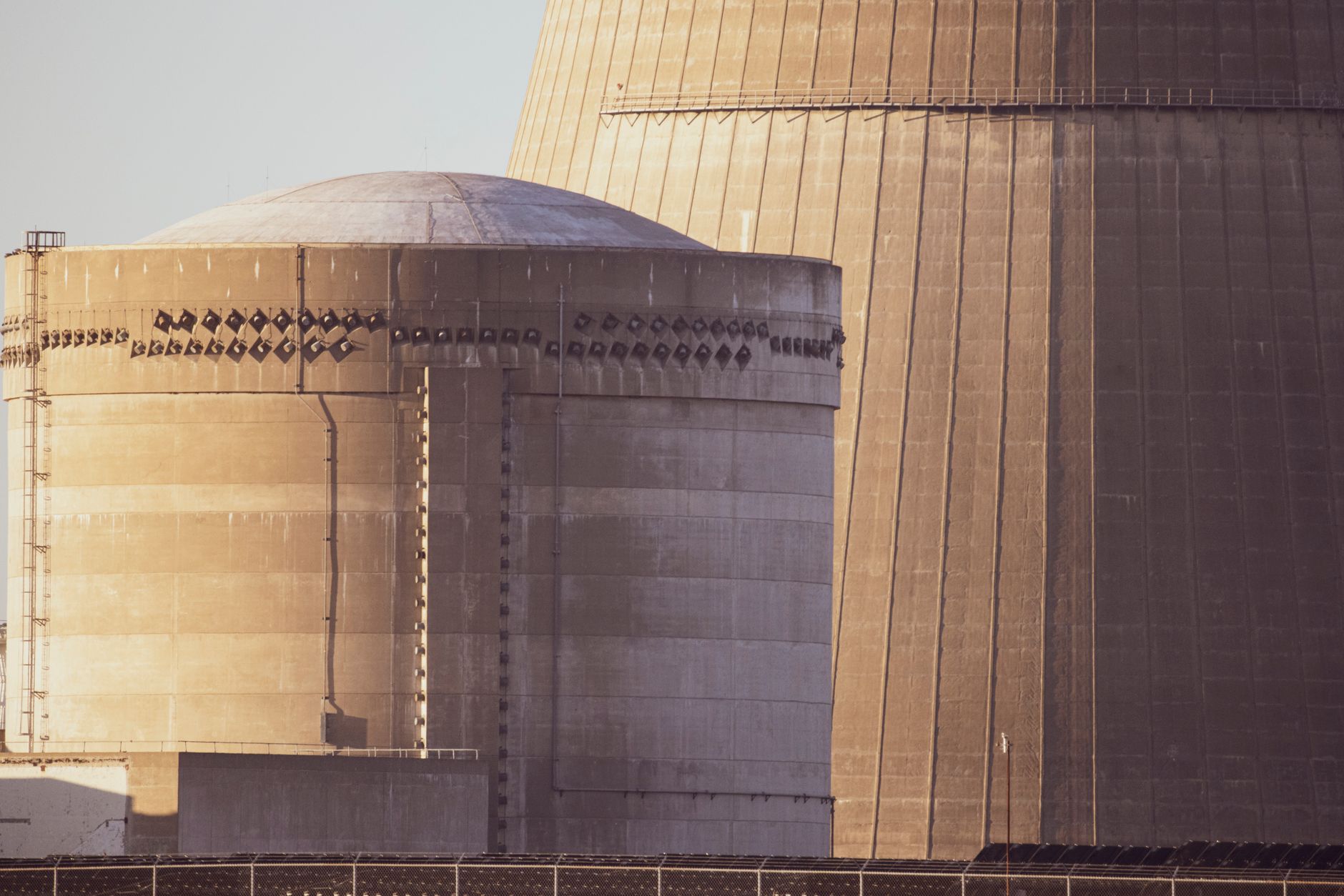
Recently, the United States finalized a landmark US-Saudi civilian nuclear agreement to establish a peaceful nuclear programme. This historic bilateral accord aims to reshape energy dynamics in the Middle East while addressing global security concerns. Readers will learn about the strict safeguards, geopolitical implications, and the impact on global energy markets.
- The United States and Saudi Arabia have signed a historic agreement to develop a domestic civilian nuclear programme.
- Washington has mandated rigorous non-proliferation safeguards to prevent the enrichment of weapons-grade material.
- The deal serves as a geopolitical counterweight and accelerates Saudi Arabia’s transition toward clean energy.
- Western nuclear technology firms stand to gain substantial economic opportunities through long-term infrastructure contracts.
Understanding the Context of the Nuclear Alliance
For years, Riyadh has sought to diversify its domestic energy portfolio away from fossil fuels. This ambition aligns with the Kingdom’s broader economic modernisation initiatives designed to reduce oil dependency. Historically, bilateral negotiations stalled over concerns regarding uranium enrichment and plutonium reprocessing. However, recent diplomatic breakthroughs have successfully cleared the path for this cooperative framework.
The transition to nuclear power represents a pivotal shift for the Gulf nation. Currently, the region relies heavily on liquid fuels for electricity generation. By introducing nuclear energy, Saudi Arabia can preserve its valuable oil reserves for export. This strategic pivot addresses both domestic consumption demands and international climate objectives.
Why is the US-Saudi civilian nuclear agreement a geopolitical game-changer?
This deal represents a massive shift in Middle Eastern geopolitics. By securing American technology, Riyadh strengthens its strategic alliance with Washington. This partnership helps counter growing regional influence from competing global powers. Furthermore, it integrates Saudi Arabia into a Western-led regulatory framework.
The agreement also addresses critical regional energy security. Saudi Arabia aims to meet rising domestic power demands through clean energy alternatives. Consequently, this transition allows the Kingdom to export more crude oil. This dynamic will likely influence global oil pricing and supply stability for decades.
In addition, the alliance reinforces American diplomatic leadership in the region. By leading the nuclear transition, Washington ensures its regulatory standards govern the project. This involvement minimizes the risk of foreign adversaries establishing a strategic foothold in the Gulf.
What non-proliferation safeguards are included in the deal?
Washington has insisted on strict oversight mechanisms to prevent military escalation. These safeguards are designed to prevent the diversion of nuclear materials. Under the terms, Saudi Arabia must adhere to international monitoring standards. These measures ensure the programme remains entirely focused on peaceful energy generation.
The agreement aligns with global standards established by the International Atomic Energy Agency to ensure peaceful use. These protocols restrict the domestic enrichment of uranium. Instead, Saudi Arabia will import nuclear fuel from approved international suppliers. This mechanism effectively mitigates the risk of a regional nuclear arms race.
Furthermore, the deal includes provisions for regular on-site inspections. International inspectors will monitor the lifecycle of all nuclear fuel. Any unauthorized modification to the facilities will trigger immediate diplomatic and economic sanctions. These strict conditions reflect Washington’s zero-tolerance policy regarding proliferation.
How will this partnership impact global energy markets?
This nuclear programme will significantly alter the global energy landscape. By diversifying its power grid, Saudi Arabia reduces its domestic oil consumption. This shift could stabilize international oil supplies in the long run. It also positions the Kingdom as a leader in regional green energy technology.
Additionally, the deal opens lucrative opportunities for Western nuclear technology companies. American and allied firms will likely secure multi-billion-dollar contracts for reactor construction. This economic cooperation will foster technological innovation and create high-skilled jobs. The commercial benefits will extend across global engineering and manufacturing sectors.
This initiative also accelerates the regional transition toward decarbonisation. Other Middle Eastern nations may follow this blueprint to modernize their grids. Consequently, the deal could catalyze a broader regional shift toward sustainable infrastructure development.
What does this mean for the future of regional security?
The long-term implications of this accord extend far beyond energy. It establishes a framework for deeper defence and technological cooperation. However, regional observers remain cautious about the delicate balance of power. Maintaining stability will require continuous diplomatic engagement from all parties.
Skeptics worry that any civilian programme could eventually face dual-use challenges. Nevertheless, the stringent oversight measures aim to build international trust. The success of this deal depends heavily on continuous transparency and compliance. Both nations must remain committed to the agreed-upon security protocols.
Moving forward, this partnership will serve as a crucial test for global non-proliferation efforts. It demonstrates how diplomatic engagement can balance national interests with international security. As implementation begins, the world will watch how this historic partnership reshapes global diplomacy. The collaborative framework established today will undoubtedly influence international relations for generations to come.


