
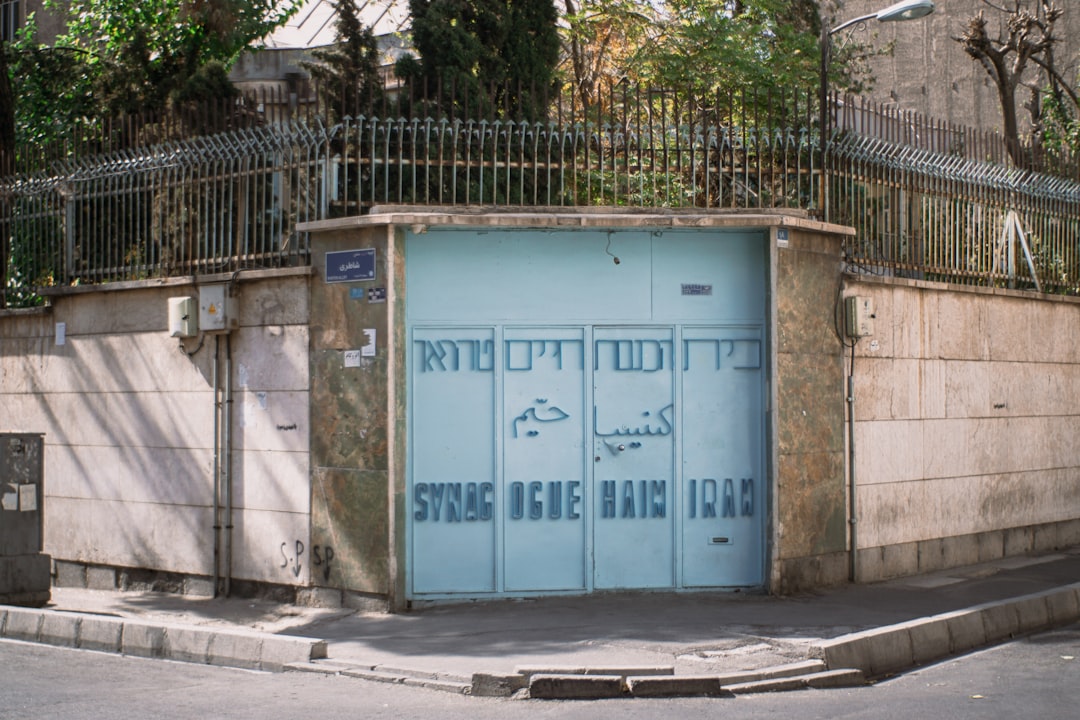
A daylight stabbing outside a Manhattan synagogue has renewed intense focus on antisemitic violence in New York. The targeted attack occurred on the Upper West Side during the Jewish fast of Tisha B’Av. An assailant reportedly shouted religious slogans before stabbing a fifty-year-old man. This incident highlights critical safety vulnerabilities for urban religious centres. Readers will learn about immediate security responses, regional crime trends, and updated safety measures for religious institutions.
- A violent assault outside an Upper West Side synagogue has triggered immediate security reviews across New York City.
- Witnesses reported hearing religious slogans during the stabbing, prompting hate crime investigators to lead the ongoing inquiry.
- Community leaders are demanding enhanced protective measures and increased police presence near religious institutions.
- Federal and local databases indicate a persistent rise in biased incidents targeting faith-based communities.
The violent incident occurred outside a prominent Modern Orthodox synagogue on the Upper West Side. Members had gathered to observe Tisha B’Av, a major day of communal mourning. A youth director was preparing to leave the facility when the stabbing occurred nearby.
The victim had just finished praying the afternoon service before stepping outside. Witnesses reported a sudden confrontation on the sidewalk. Emergency responders arrived quickly to provide medical attention.
Local residents expressed deep shock over the brazen nature of the assault. The neighbourhood is known for its active, diverse Jewish community. This event has heightened anxieties during a period of global tension.
How Are Authorities Responding to the Security Threat?
Law enforcement officials immediately deployed specialized units to the neighbourhood. The NYPD Hate Crime Task Force assumed leadership of the active investigation. They are treating the incident with high priority.
Investigators are currently reviewing security camera footage from surrounding buildings. They want to trace the suspect’s movements before and after the attack. Officers are also interviewing witnesses who heard the assailant’s remarks.
Security patrols have increased around Jewish institutions across the five boroughs. Officers are maintaining high visibility near schools, synagogues, and community centres. City officials promised swift justice for the victim and his family.
State leaders have condemned the attack in strong public statements. They pledged continued financial support for security upgrades at vulnerable facilities. Government agencies are working closely with community watch groups.
What Do Recent Crime Statistics Reveal About Hate Crimes?
Data shows a persistent rise in biased attacks targeting religious minorities. According to official reports, antisemitic incidents represent a significant portion of hate crimes. These trends concern safety experts.
The Federal Bureau of Investigation crime statistics database documents a multi-year upward trend in religious bias incidents. This comprehensive repository tracks offenses reported by local law enforcement agencies. The data helps analysts identify emerging geographic hotspots.
Many community groups argue that official figures underreport the true scale of daily harassment. Victims sometimes hesitate to contact authorities after minor incidents. Public safety advocates are urging citizens to report every suspicious encounter immediately.
This tracking data directly influences the allocation of state security grants. Funding helps houses of worship install advanced surveillance equipment. Accurate reporting remains vital for securing these crucial resources.
How Can Synagogues Strengthen Their Local Security Protocols?
Religious administrators must reassess physical security measures at all entry points. Installing reinforced doors and impact-resistant glass can delay potential attackers. These barriers provide critical response time.
Security teams recommend keeping perimeter gates locked during active services. Access control systems help monitor everyone entering the building. Utilizing trained security guards adds an extra layer of protection.
Staff members should receive regular training on emergency evacuation procedures. Knowing how to react during a crisis saves lives. Houses of worship must also establish clear communication protocols with police.
Volunteers can assist by monitoring the exterior during high-traffic events. Simple observation often deters individuals with malicious intent. Collaborative safety networks strengthen the entire neighbourhood.
What Are the Broader Implications for Urban Communities?
The psychological impact of public violence extends far beyond the immediate victims. Many families express growing anxiety about attending communal events. This fear can disrupt daily cultural life.
In response, interfaith coalitions are organizing solidarity events to promote unity. These groups want to show that hatred will not divide the community. Their efforts focus on building mutual understanding.
Local businesses are also cooperating with police to monitor street activity. Private security cameras often capture vital evidence for investigators. This collective vigilance helps keep commercial corridors safe.
Creating safer public spaces requires a coordinated effort from all residents. Education programmes can help combat bias at its roots. Long-term safety depends on addressing systemic intolerance.
Ultimately, community strength relies on vigilance and mutual support. By implementing robust safety measures, neighbourhoods can protect their diverse populations. Active cooperation remains our most effective defense.


