
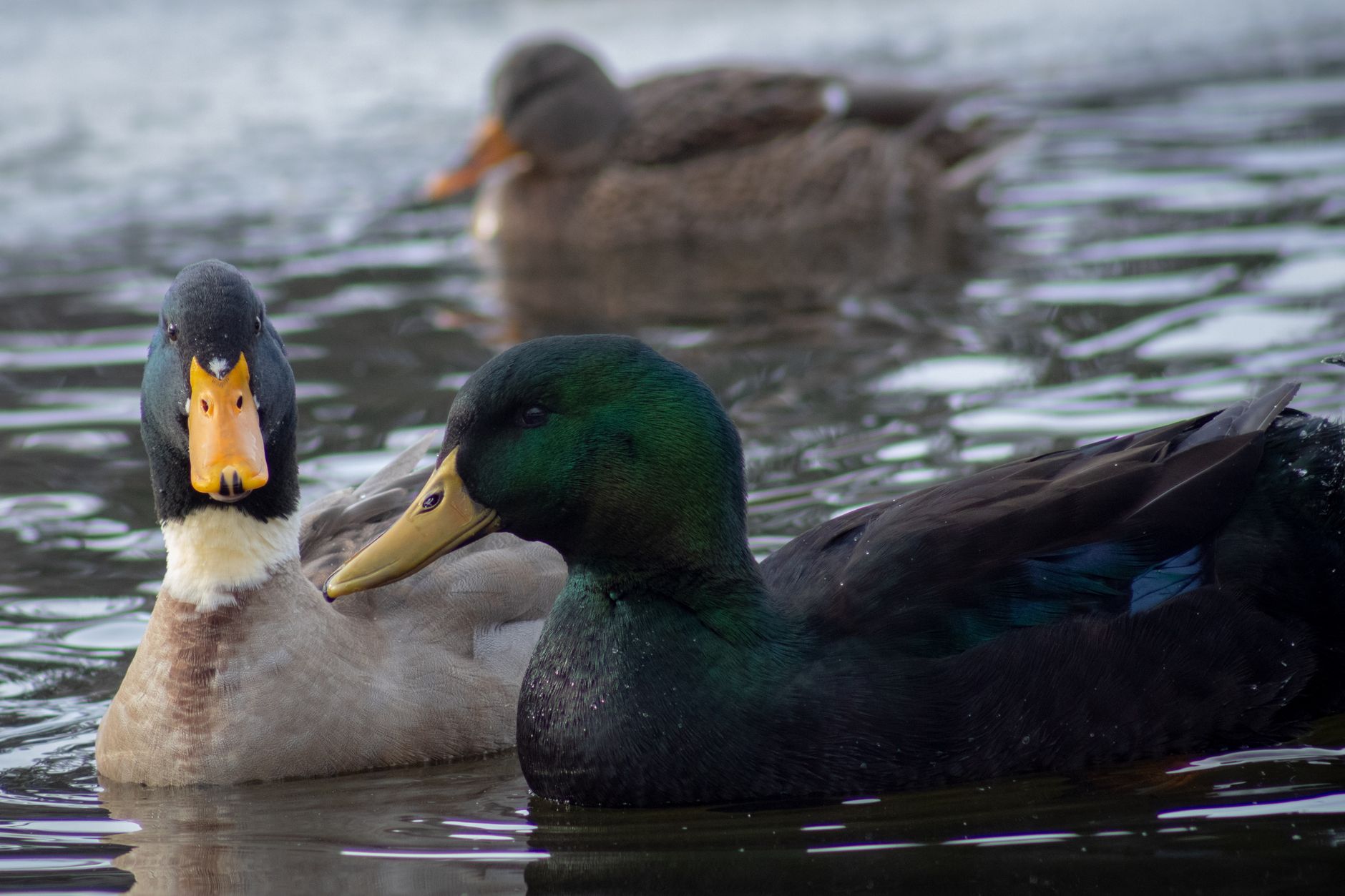
An elusive domestic Cayuga duck named Buddy continues to evade official capture in south Edmonton. The black-feathered bird has made the private waters of Lake Summerside his temporary home. Residents and local animal rescue teams have spent months attempting to secure the waterfowl. This ongoing Lake Summerside duck rehoming effort highlights the complex challenges of managing domestic animals in urban spaces. Readers will learn about the challenges of capturing this clever bird and the broader rules governing urban wildlife.
- A domestic Cayuga duck named Buddy has evaded multiple capture attempts at Edmonton’s Lake Summerside.
- The domestic bird cannot survive northern winter conditions without human intervention and proper shelter.
- Local volunteers and wildlife experts continue to collaborate on safe, stress-free capture strategies.
How did a domestic duck end up in a suburban Edmonton lake?
Cayuga ducks are a domestic breed known for their striking iridescent green-black colours. Unlike wild mallards, these birds cannot fly long distances to migrate south for the winter. Consequently, local residents noticed the misplaced waterfowl during the warmer months.
Historically, people purchased domestic ducks as novelty pets during spring holidays. However, owners often realize they cannot manage the adult birds. This trend frequently leads to illegal releases in municipal waters. In recent quarters, Alberta rescue groups have reported a rise in abandoned domestic waterfowl.
Concern quickly grew as the seasons began to change. Many feared the bird would freeze once the lake iced over. Consequently, community members organized volunteer search teams to rescue him.
Why is the Lake Summerside duck rehoming effort so difficult?
Capturing a healthy duck on open water presents immense physical challenges. Buddy possesses just enough flight capability to escape nets and boats. Furthermore, the sheer size of Lake Summerside gives the duck plenty of room to retreat.
Volunteer rescuers have tried using food lures, kayaks, and specialized nets. However, the clever bird consistently outmanoeuvres his pursuers. Every failed attempt makes the duck more cautious around humans.
What are the official guidelines for domestic waterfowl in Edmonton?
Domestic ducks are not classified as native wild species. Therefore, municipal services do not typically manage their rescue. Instead, the responsibility often falls to local humane societies and private citizens.
According to the City of Edmonton urban wildlife guidelines, residents must not release domestic pets into public spaces. Doing so creates ecological imbalances and puts the animals at severe risk.
For Buddy, the primary goal remains relocation to a licensed hobby farm or sanctuary. These facilities offer secure pens, proper feed, and veterinary care.
How do wildlife experts view the ongoing rescue attempts?
Local animal welfare advocates emphasize the need for patience during these rescue missions. Rushing the bird can cause extreme physical stress or drive him away from the area.
Furthermore, domestic ducks can disrupt local ecosystems. They may compete with native wild mallards for limited food sources. They can also introduce domestic avian diseases to wild populations. Therefore, biological experts advocate for immediate removal of non-native species.
Community members have created social media groups to track his daily movements. This collective effort ensures rescuers know his favourite shoreline spots.
What does this situation mean for urban pet ownership?
This situation underscores the growing issue of abandoned domestic animals in suburban neighbourhoods. Well-meaning buyers often purchase ducklings as pets without realizing their long-term care needs.
When these animals grow too large, some owners unfortunately release them into local storm ponds. This practice is both illegal and highly dangerous for the animals.
As winter approaches, the community remains dedicated to securing a safe future for Buddy. The ongoing efforts serve as a powerful reminder of collective community responsibility.


