
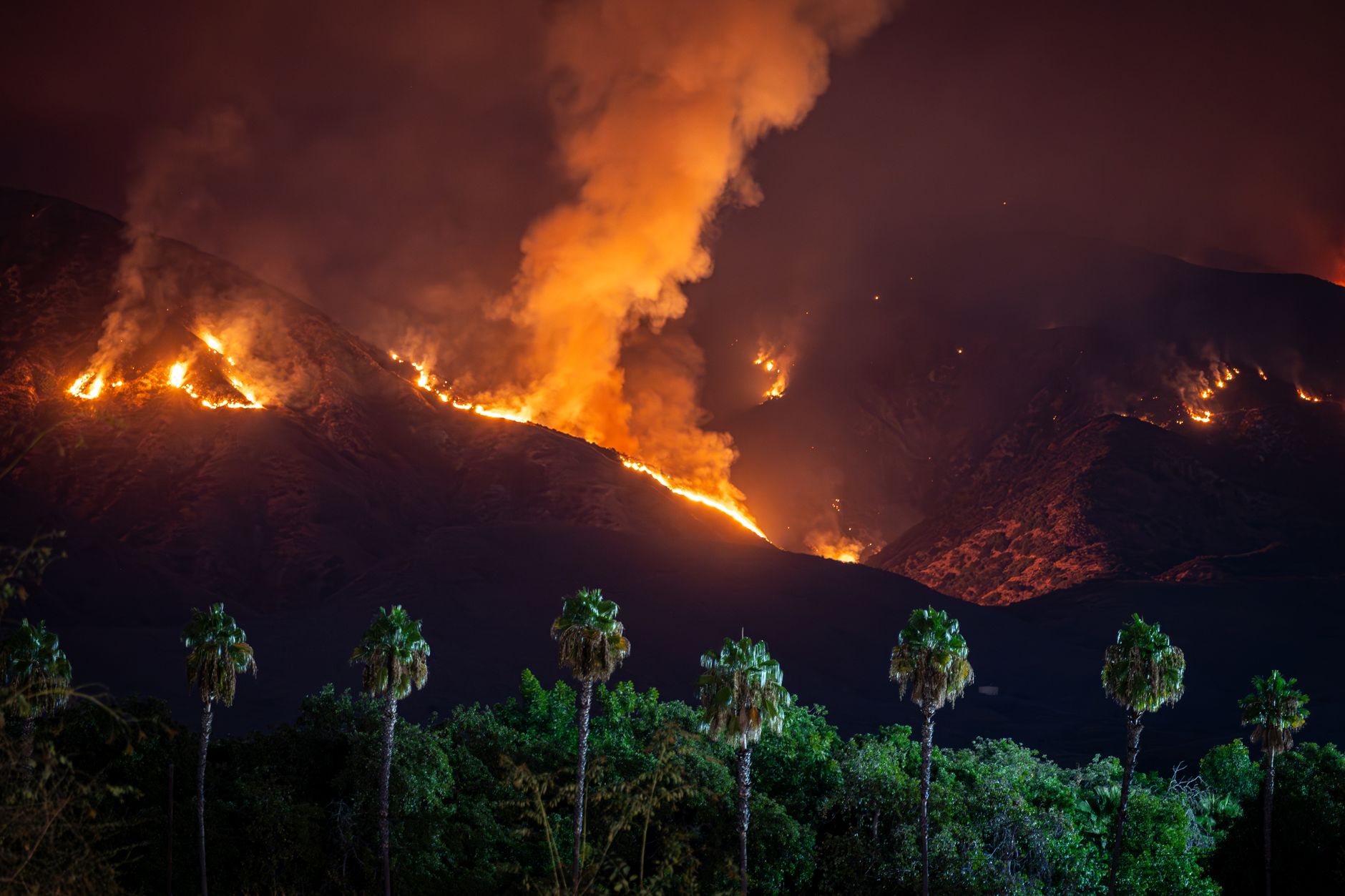
A catastrophic European wildfire crisis has forced more than 250,000 people to flee their homes across Spain and France. Uncontrolled blazes are advancing rapidly toward the major metropolitan hubs of Madrid and Bordeaux. These threatened urban areas house over eight million residents combined. Emergency services are struggling to contain the flames amid historic drought conditions. Readers will learn about these evacuations, the environmental drivers, and the long-term regional implications.
- Over a quarter-million residents have evacuated towns and villages in France and Spain.
- Wildfires are threatening the major metropolitan areas of Madrid and Bordeaux.
- Climate experts attribute the rapid spread to prolonged drought and high winds.
- Emergency personnel are deploying international resources to establish containment lines.
What Is the Scale of the Current Displacement?
The current emergency represents one of the most severe displacement events in recent regional history. Historically, summer fires have plagued the Mediterranean basin. However, the current blazes have expanded far beyond traditional seasonal boundaries.
Dry conditions have persisted across southern Europe for several consecutive seasons. Local authorities note that parched soil and dead vegetation acted as fuel. Consequently, small sparks quickly transformed into uncontrollable firestorms.
How Are Emergency Crews Responding to the Threat?
Firefighters from across the European Union are coordinating efforts to protect critical infrastructure. Water-bombing aircraft are flying continuous missions over the affected regions. However, dense smoke is limiting visibility for pilots.
Ground crews are focusing on creating defensive perimeters around Madrid and Bordeaux. They are clearing dry brush and setting controlled backfires. Despite these efforts, high wind gusts continue to push embers over containment lines.
Mobilizing International Aid
Neighbouring countries have dispatched specialised firefighting units to assist local teams. Canada and Sweden have sent water bombers to bolster the aerial assault. This collective response highlights the global nature of the crisis.
Local governments have established temporary shelters in sports arenas and exhibition centres. Volunteers are distributing food, water, and medical supplies to displaced families.
Why Are Madrid and Bordeaux Facing Unprecedented Risk?
Both metropolitan areas sit adjacent to large forested zones that are highly flammable. In recent years, urban expansion has pushed residential neighbourhoods closer to these wildlands. This proximity increases the risk to human life.
The Vulnerability of Urban Fringes
Suburban developments have steadily encroached into vulnerable pine forests. This transition zone, known as the wildland-urban interface, is incredibly difficult to defend. When fires reach these areas, they transition from forest fires to structural fires.
Furthermore, shifting wind patterns are directing thick plumes of toxic smoke into city centres. Air quality indexes in Madrid and Bordeaux have reached hazardous levels. Health officials are urging residents to remain indoors and wear protective masks.
The economic impact is also mounting rapidly. Key transport links, including major highways and rail lines, remain closed. This disruption is halting regional trade and tourism.
What Does the Scientific Data Reveal About This Trend?
Meteorologists warn that these extreme events are becoming the new baseline for European summers. Data from the World Meteorological Organization global climate monitoring program shows rising heatwaves across the continent.
These prolonged thermal anomalies deplete soil moisture rapidly. As a result, forests become highly vulnerable to rapid combustion.
“The speed of these fires is outpacing our traditional predictive models,” stated one senior European forestry analyst. “We are witnessing fire behaviour that defies historical precedents.”
Satellite imagery confirms that the active burn scars cover thousands of square kilometres. The scale of the smoke plume is visible from space, stretching across the Bay of Biscay.
What Are the Long-Term Implications for Regional Safety?
This crisis will force a significant reassessment of urban planning and forestry management. Governments must invest in wider buffer zones between forests and residential areas. Additionally, building codes may require stricter fire-resistant materials.
Insurance industries are also bracing for unprecedented damage claims. The cost of rebuilding infrastructure and compensating displaced homeowners will likely reach billions of Euros.
Ultimately, this disaster highlights the urgent need for coordinated international climate adaptation strategies.
As emergency crews battle to protect Madrid and Bordeaux, the immediate focus remains on saving lives. Communities are showing remarkable resilience, but the road to recovery will be long. Moving forward, proactive ecological management and robust early-warning systems will be vital to preventing future catastrophes of this scale.


