
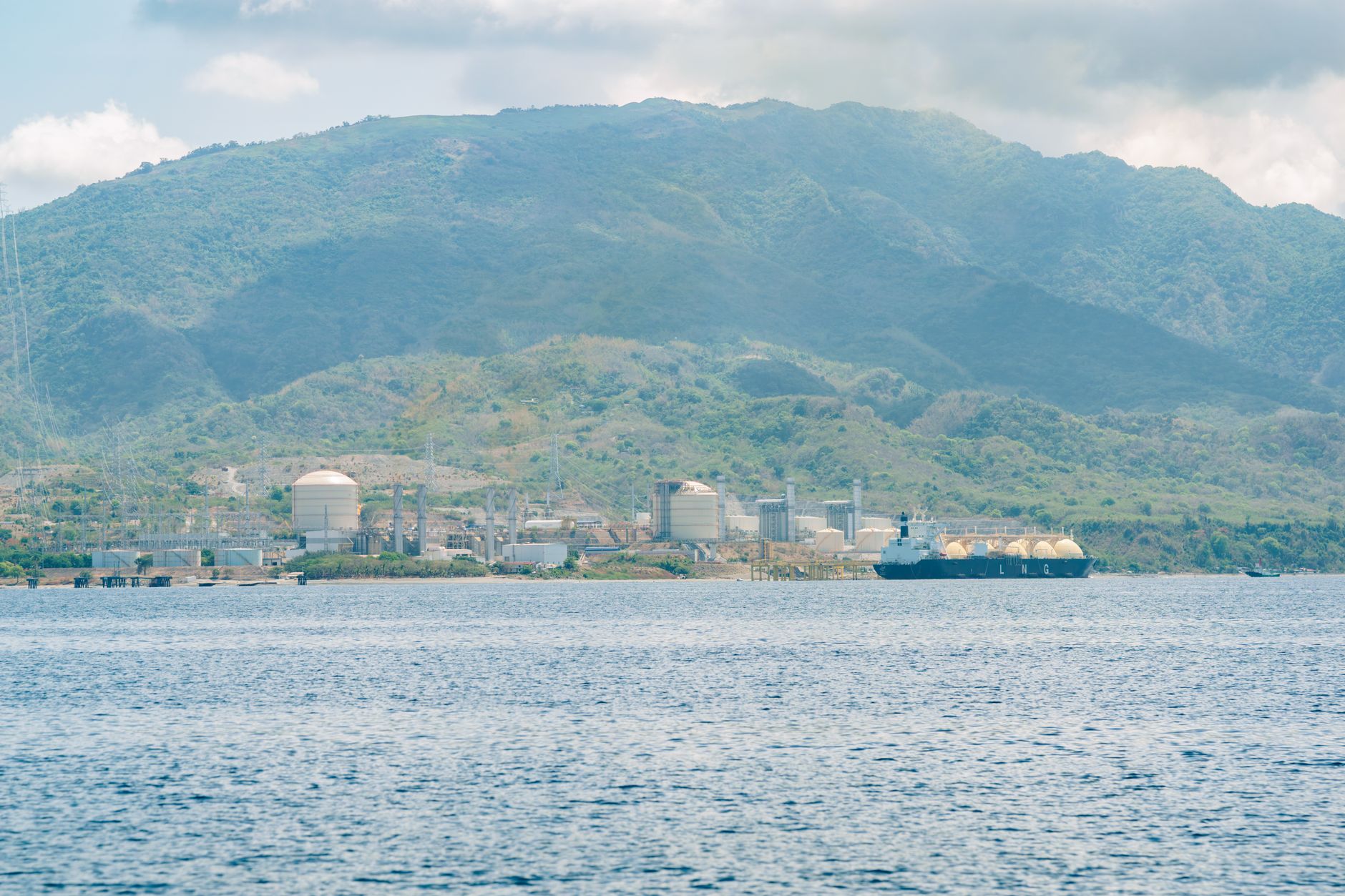
Ukraine is actively pursuing a landmark 30-year Canada-Ukraine energy partnership to secure its long-term fuel supplies. Ukrainian representative Denys Shmyhal recently proposed this strategic alliance to establish a reliable energy security bridge between the two nations. This ambitious bilateral initiative focuses heavily on exporting Canadian liquefied natural gas (LNG) to Eastern Europe. Readers will learn how this proposed pact could reshape transatlantic energy corridors and strengthen global energy security.
- Ukraine has proposed a 30-year strategic energy agreement with Canada to secure long-term fuel supplies.
- The proposed “energy security bridge” focuses heavily on the export of Canadian liquefied natural gas (LNG).
- This partnership aims to reduce European reliance on unstable energy suppliers and build infrastructure resilience.
- The deal requires substantial infrastructure investment and alignment with Canadian environmental targets.
Why is Ukraine proposing a 30-year energy pact now?
Geopolitical shifts have forced Eastern European nations to rapidly diversify their energy imports.
In recent years, Ukraine has faced severe infrastructure challenges and persistent fuel shortages.
Consequently, Kyiv is looking across the Atlantic for stable, democratic energy partners.
Canada possesses vast natural gas reserves that could stabilize the region for decades.
This proposal marks a transition from short-term emergency aid to long-term strategic planning.
By securing a 30-year commitment, Ukraine hopes to guarantee energy price stability for its citizens.
How will the proposed energy security bridge operate?
The proposed framework relies on building a consistent supply chain of Canadian LNG.
This fuel would travel from Canadian ports to European terminals before reaching Ukraine.
However, this ambitious plan requires significant infrastructure upgrades on both sides of the ocean.
Canadian producers must expand their liquefaction capacity to meet these long-term demands.
Meanwhile, European nations must ensure their pipeline networks can handle increased western flows.
The logistical complexity requires deep cooperation between private energy firms and state regulatory bodies.
Both nations must also coordinate with European transit countries to facilitate smooth delivery.
What are the geopolitical implications for Canada?
This agreement would elevate Canada to a critical guarantor of European security.
Historically, Canadian LNG projects have faced domestic regulatory delays and environmental debates.
Supporters argue that this pact provides a clear, ethical mandate for Canadian resource development.
Furthermore, it aligns with broader Western efforts to isolate hostile energy exporters.
Details on Canada’s global export framework are available through Natural Resources Canada energy transition policies, which outline international trade goals.
This alignment could accelerate approval processes for terminal projects on the East Coast.
It also showcases Canada’s ability to support allies during times of severe geopolitical stress.
How do domestic climate goals factor into the deal?
Canada remains committed to reaching net-zero emissions in the coming decades.
Critics argue that a 30-year fossil fuel contract contradicts these environmental promises.
However, proponents suggest that Canadian LNG has a lower carbon footprint than coal.
They believe exporting gas can help transition Eastern Europe away from dirtier energy sources.
The federal government must navigate these competing priorities carefully.
Balancing global security with domestic climate policy remains a highly sensitive political issue.
What challenges lie ahead for the bilateral agreement?
Financial backing remains a major hurdle for this multi-decade project.
Building specialized LNG terminals requires billions of dollars in public and private investment.
Additionally, pipeline capacity in Canada must expand to transport gas to coastal terminals.
These massive capital requirements demand long-term certainty from all regulatory bodies involved.
Negotiations are expected to continue as technical committees assess shipping logistics.
Both nations need to establish clear legal frameworks to protect these investments over thirty years.
What are the next steps for the Canada-Ukraine energy partnership?
Diplomatic teams from both countries must draft a formal memorandum of understanding.
Following this, private sector energy companies will need to negotiate specific commercial contracts.
International financial institutions may also be called upon to help fund the necessary infrastructure.
This collaborative effort will require sustained political will from both Ottawa and Kyiv.
As the geopolitical landscape evolves, the speed of these negotiations will be closely monitored.
Ultimately, the proposed treaty represents a fundamental shift in transatlantic relations.
If signed, it will bind the economic and security interests of Ottawa and Kyiv for a generation.
As discussions advance, the world will watch how Canada balances its environmental targets with its global security responsibilities.


