
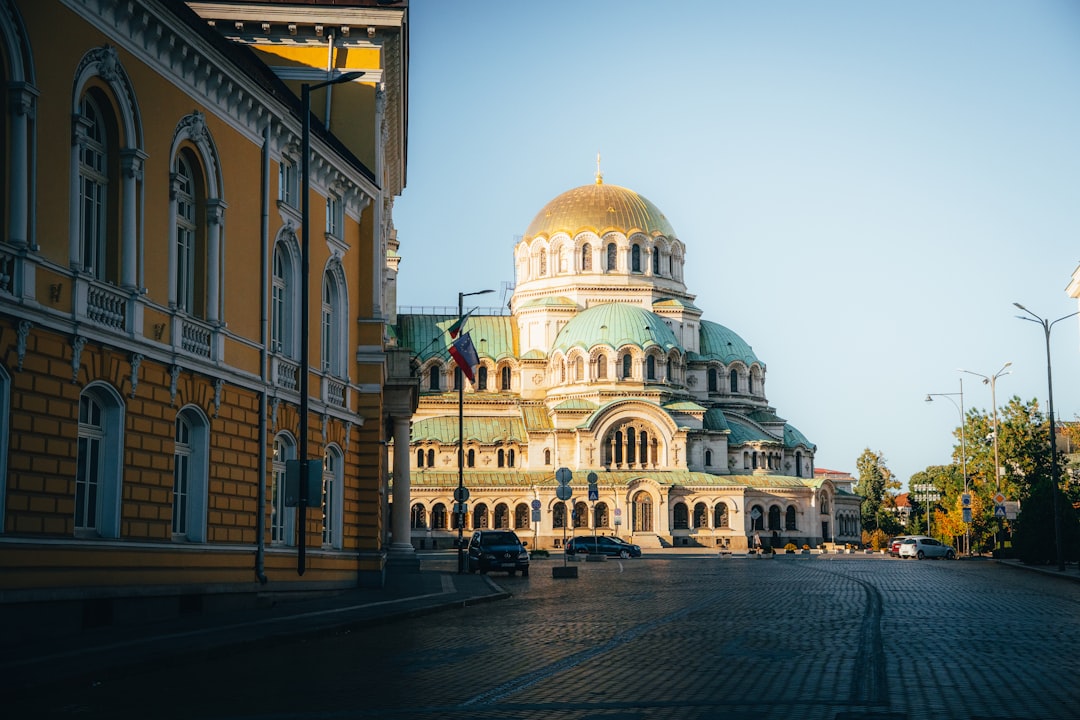
KRAKÓW, Poland — Recent public demonstrations highlight how Ukrainian democratic resilience remains a powerful force in Eastern Europe. Observers gathering in historic regional hubs like Kraków are analysing these grassroots movements. This report examines how civic protests signal a healthy democracy and what this means for European integration. You will learn how public activism strengthens governance and secures international support.
- Civic protests in Ukraine demonstrate robust public engagement despite ongoing regional security challenges.
- Regional observers in Poland highlight these democratic expressions as vital signs of political health.
- Active public dissent serves as a critical mechanism for accountability and anti-corruption efforts.
Kraków has long served as a vital intellectual mirror for Ukrainian political developments. Historically, this famous Polish city has hosted critical dialogues regarding Eastern European freedom. In recent years, the relationship between these neighbouring nations has deepened significantly. This shared history provides essential context for understanding modern civic movements.
Many scholars view Poland as a crucial gateway for Ukrainian democratic ideas. The intellectual exchange between Kraków and Kyiv remains highly influential. Today, this connection helps analysts interpret the evolving political landscape of the region.
Furthermore, the historical struggles of both nations shape their current political alliances. Understanding this background is vital for evaluating modern geopolitical shifts.
Why do public protests signal strength rather than instability?
Many external analysts associate wartime conditions with centralized executive control. However, Ukrainian citizens continue to demand transparency and systemic reform. This active participation prevents the dangerous centralization of power. It ensures that democratic institutions remain accountable to the public.
Furthermore, public dissent shows that the population refuses to compromise on core democratic values. These actions demonstrate that civic spaces remain open and vibrant. Such resilience reassures international partners investing in the nation’s recovery.
In many traditional systems, conflict suppresses public criticism. In this case, conflict has actually accelerated the demand for clean governance. Citizens view accountability as a national security necessity.
Therefore, protests are not a sign of weakness. Instead, they represent a mature political culture. This culture prioritizes national integrity over political convenience.
How does civic activism impact European integration?
A core requirement for European Union membership is the establishment of stable democratic institutions. Active civic engagement directly supports this objective by combatting internal corruption. Citizens act as domestic watchdogs, ensuring policy alignment with Western standards.
According to official assessments by the European Parliament, robust civil society participation is essential for accession. This external validation encourages continued domestic reforms. Consequently, grassroots protests accelerate the alignment with European democratic norms.
By demanding accountability, citizens prove that their political culture matches European expectations. This alignment strengthens the geopolitical argument for rapid integration. It shows that democratic values are deeply internalized.
Moreover, European policymakers closely monitor these democratic indicators. Positive reports from civil society organizations build trust with international donors. This trust is crucial for securing long-term financial and political support.
How do regional intellectual hubs support this democratic transition?
Cities like Kraków serve as safe havens for academic and political discourse. These centres host think tanks, universities, and non-governmental organizations. These institutions analyse democratic trends and offer policy recommendations.
Furthermore, these hubs facilitate collaboration between European and Ukrainian scholars. This intellectual exchange helps refine governance models for the post-conflict era. It ensures that reform strategies are both practical and theoretically sound.
Additionally, international conferences in these cities keep the global spotlight on Eastern European democracy. They provide a platform for activists to share their experiences. This visibility is vital for maintaining international solidarity.
By hosting these dialogues, regional partners play an active role in strengthening democratic institutions. They help build the intellectual infrastructure necessary for sustainable reform.
What are the broader regional implications for Eastern Europe?
The resilience of these democratic practices influences neighbouring countries facing authoritarian pressures. It provides a practical blueprint for civic resistance and institutional reform. Observers in Poland and the Baltic states closely monitor these dynamics.
These nations recognize that a stable, democratic neighbour enhances their own security. Therefore, supporting civic institutions is a strategic priority for the entire region. Joint initiatives continue to foster deeper intellectual and political exchange.
Ultimately, these grassroots movements redefine the political landscape of Eastern Europe. They prove that democratic engagement can survive and thrive under immense pressure. This model inspires other societies striving for political self-determination.
Additionally, the regional security architecture benefits from strong democratic partners. Stable democracies are less prone to sudden political shifts. This predictability fosters regional trade, investment, and military cooperation.
As regional leaders plan for long-term stability, the strength of local civic voices remains paramount. These ongoing expressions of public will prove that democracy is not merely about elections. It thrives through daily accountability, active participation, and the courage to demand better governance. Moving forward, this enduring civic commitment will undoubtedly shape the geopolitical map of the region.


