
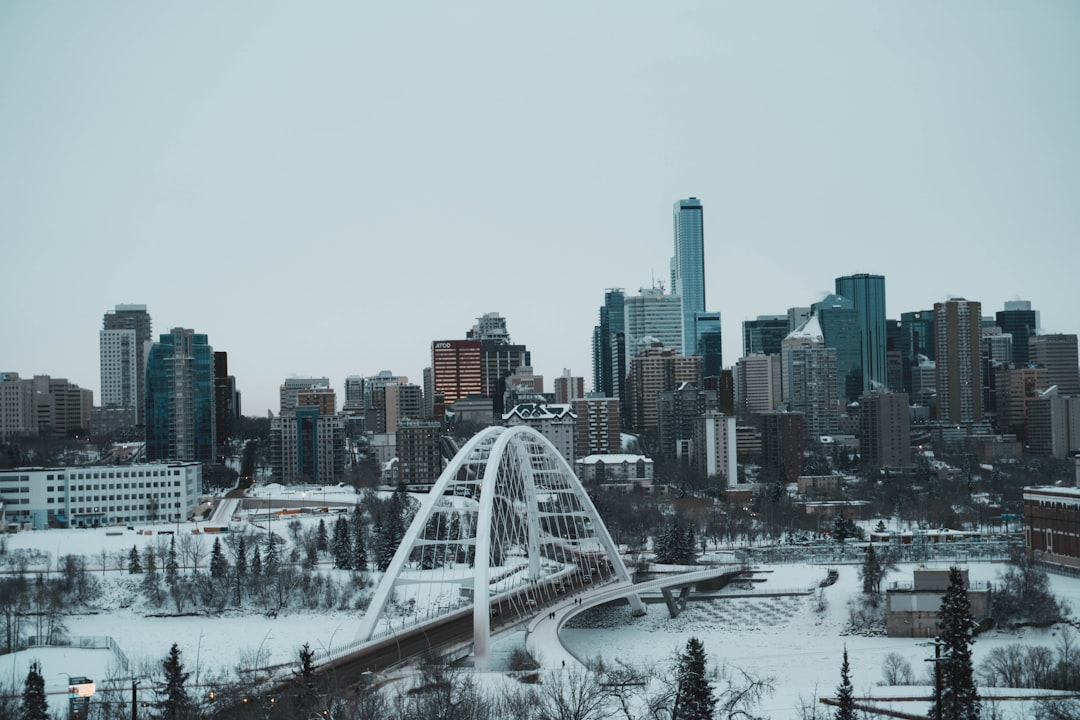
A series of severe thunderstorms recently triggered widespread Edmonton flash flooding. This event paralyzed the city’s transit network and drowned major roadways.
Three consecutive waves of torrential rainfall doused the metropolitan area in quick succession during a chaotic Monday afternoon. This sudden deluge downed mature trees, halted light rail transit, and trapped motorists in submerged vehicles.
Readers will learn how this extreme weather event exposed critical vulnerabilities in municipal infrastructure. We also examine what steps are underway to bolster climate resilience.
- Three consecutive waves of intense rainfall caused rapid flooding across major Edmonton roadways and transit lines.
- Municipal emergency crews responded to dozens of downed trees, stalled vehicles, and localized power outages.
- The event has renewed public debate regarding the adequacy of urban drainage systems under escalating climate pressures.
Understanding the scale of this disruption requires looking at Edmonton’s geographic vulnerability to sudden summer storm cells. Historically, the region experiences intense localized convective storms during warmer months.
However, the sheer velocity of this recent three-wave system overwhelmed standard catch basins within minutes. Consequently, water levels rose faster than local drainage networks could divert the runoff.
Major underpasses quickly transformed into deep pools, catching many afternoon commuters completely off guard.
How Did the Storm Disrupt Edmonton Transit and Traffic?
The immediate impact of the storm felt devastating for those commuting home on Monday afternoon. Water quickly pooled across major freeways, forcing provincial police and municipal officers to close key arterial routes.
Meanwhile, Edmonton Transit Service faced severe operational delays as flooded tracks forced officials to halt light rail vehicles. Commuters reported waiting hours for replacement shuttle buses.
These vehicles also struggled to navigate the waterlogged streets. In several low-lying neighbourhoods, parked vehicles were submerged up to their hoods.
Emergency services worked tirelessly to rescue stranded drivers. Many motorists had underestimated the depth of the standing water.
Fallen trees also blocked secondary roads, creating a logistical nightmare for utility crews. Power outages affected thousands of homes, compounding the chaos of the afternoon rush hour.
Why Did the Drainage Infrastructure Fail to Cope?
The primary culprit behind the severe flooding was the sheer volume of water delivered in such a compressed timeframe. Urban drainage systems are designed to handle specific thresholds of rainfall over set periods.
When those thresholds are exceeded, water inevitably backs up onto streets and properties. This storm delivered three distinct waves of rain.
This sequence left no time for the ground to absorb the moisture. To address these growing risks, municipal planners are reviewing current infrastructure guidelines.
The city relies on Environment and Climate Change Canada weather monitoring systems to model stormwater demands. Without significant upgrades, experts warn that these sudden urban inundations will become more frequent.
Furthermore, older urban centres feature combined sewers that are highly vulnerable to overflowing.
What Are the Broader Implications for Urban Climate Resilience?
This disruptive weather event highlights a growing challenge for municipalities across Western Canada. As global temperatures fluctuate, severe weather patterns are becoming increasingly unpredictable and intense.
Investing in climate-resilient infrastructure is no longer a long-term luxury but an immediate necessity. City officials must balance budget constraints with the urgent need to expand stormwater retention ponds.
Additionally, upgrading older neighbourhood piping systems remains a monumental financial hurdle. Property owners are also being urged to install backwater prevention valves to protect their homes.
Insurance industries are also taking note of these escalating patterns. Water damage claims continue to rise steadily across the province.
This trend could eventually influence local property insurance premiums in high-risk zones.
How Can Residents Prepare for Future Flash Flooding?
Individual preparedness plays a vital role in mitigating the personal losses associated with sudden urban storms. Homeowners should regularly clear debris from nearby street grates to facilitate rapid drainage.
Furthermore, maintaining functional eavestroughs and downspouts helps direct water safely away from residential foundations. Driving through flooded underpasses must be avoided at all costs.
Water depth is notoriously difficult to estimate from a driver’s seat. By staying informed through local emergency alerts, residents can make safer travel decisions during active storm warnings.
Ultimately, overcoming these weather challenges requires a shared effort. Proactive citizens and prepared municipal governments must work together to build a safer community.


