
Severe thunderstorms recently triggered widespread Edmonton flash flooding, paralyzing the city’s transit network.
Three consecutive waves of torrential rain doused the capital region in quick succession.
The storm downed trees, flooded key roadways, and halted afternoon commuter traffic.
Readers will learn about the immediate transit impacts, infrastructure vulnerabilities, and municipal response strategies.
- Three consecutive storm waves caused severe localized flooding across the Edmonton capital region.
- Public transit networks and major arterial roads faced significant closures and delays.
- City officials are evaluating drainage infrastructure resilience against extreme weather patterns.
Why did the recent storm overwhelm Edmonton so quickly?
Edmonton has experienced increasingly volatile summer weather patterns in recent seasons.
Historically, the city’s drainage systems face immense pressure during rapid rainfall events.
The recent storm highlighted the growing challenges of urban water management.
Three distinct storm cells moved over the city in less than three hours.
This rapid succession prevented existing drainage infrastructure from clearing the initial deluge.
As a result, subsequent waves of rain accumulated rapidly on the surface.
How did the storm disrupt Edmonton transit and traffic?
The sudden downpour quickly overwhelmed storm sewers across major commercial zones.
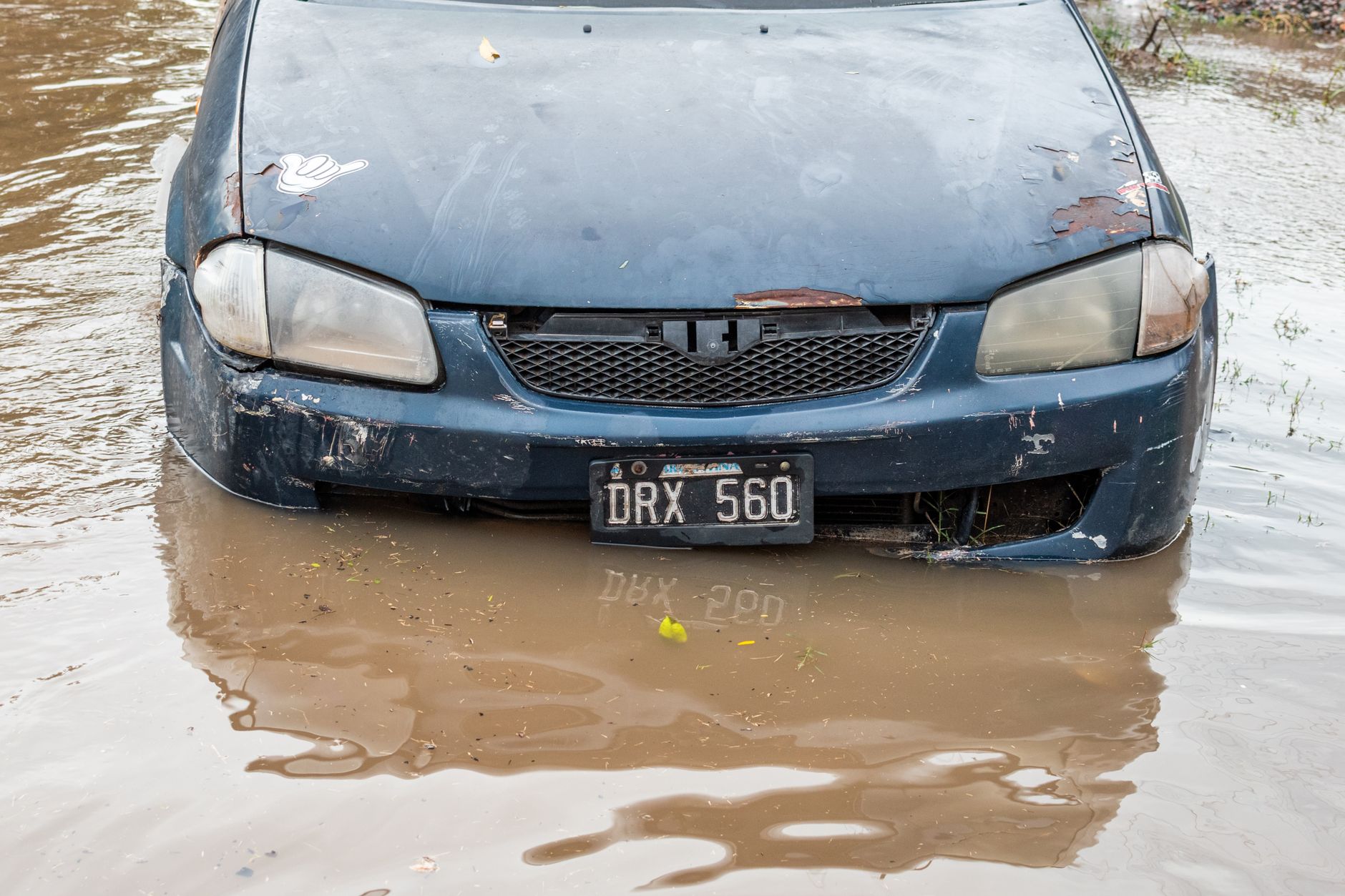
Water pooled deeply on major routes, trapping several passenger vehicles in underpasses.
Edmonton Transit Service suspended multiple bus routes due to impassable streets.
Light Rail Transit stations also reported minor flooding and minor delays.
Commuters faced gridlock during the peak afternoon rush hour.
Emergency crews worked quickly to clear fallen trees from blocked lanes.
Many drivers had to abandon their vehicles in low-lying areas.
Tow trucks faced long delays reaching stranded motorists due to the gridlock.
What areas faced the most severe flooding damage?
Low-lying underpasses suffered the worst water accumulation during the storm.
Several arterial roads in the city centre became temporary lakes.
Residential neighbourhoods reported flooded basements and backed-up sewer drains.
The succession of storm cells left no time for natural runoff.
Ground surfaces were already saturated from previous seasonal precipitation.
This saturation prevented the soil from absorbing the sudden deluge.
Local businesses in basement suites reported significant water damage.
Property owners quickly deployed portable pumps to mitigate the rising water.
What does the data show about extreme rainfall in Alberta?
Meteorologists recorded significant rainfall totals within a very short window.
According to official Environment and Climate Change Canada historical weather data, localized storms are becoming more intense.
Experts warn that rapid urban expansion increases impermeable concrete surfaces.
This prevents natural soil absorption, accelerating surface runoff during storms.
City engineers are now analyzing water flow patterns from this event.
The findings will help update local flood susceptibility maps.
These maps guide future zoning laws and infrastructure investments.
How did emergency services respond to the flash flooding?
Emergency dispatchers received hundreds of calls within a two-hour period.
First responders prioritized rescuing drivers stranded in deep water.
Fire crews used specialized watercraft to reach flooded underpasses.
Utility workers focused on restoring power to affected neighbourhoods.
Lightning strikes had damaged several local electrical transformers.
Crews worked through the night to clear debris from major intersections.
What are the economic impacts of urban flooding?
Business owners face substantial recovery costs from water damage.
Insurance claims are expected to rise significantly following this storm.
Local transit delays also caused lost productivity for businesses.
Repairing damaged municipal roads will require substantial public funding.
Economists suggest that proactive infrastructure upgrades are more cost-effective over time.
Preventing damage costs less than rebuilding after a major flood.
How can residents protect their homes from flash floods?
Homeowners can take simple steps to reduce water damage risks.
Clearing gutters and downspouts ensures water flows away from foundations.
Maintaining sump pumps is also critical before storm seasons begin.
Landscaping adjustments can direct surface water toward street drains.
These small actions help protect personal property from sudden storms.
How will Edmonton adapt to future storm risks?
The city must invest in climate-resilient infrastructure to mitigate future disasters.
Upgrading drainage basins remains a primary focus for municipal planners.
Furthermore, property owners are encouraged to install backwater prevention valves.
Improved early warning systems could also help commuters avoid flooded zones.
As extreme weather events become more common, proactive adaptation is essential.
City council is currently reviewing funding for storm-water management upgrades.
These upgrades aim to prevent similar disruptions in future seasons.
Investing in green infrastructure could also reduce the load on storm sewers.
Navigating these challenges requires cooperation between residents and local government.
Staying informed during severe weather alerts helps ensure public safety.
By addressing infrastructure weak points now, Edmonton can better withstand the next major storm.


