
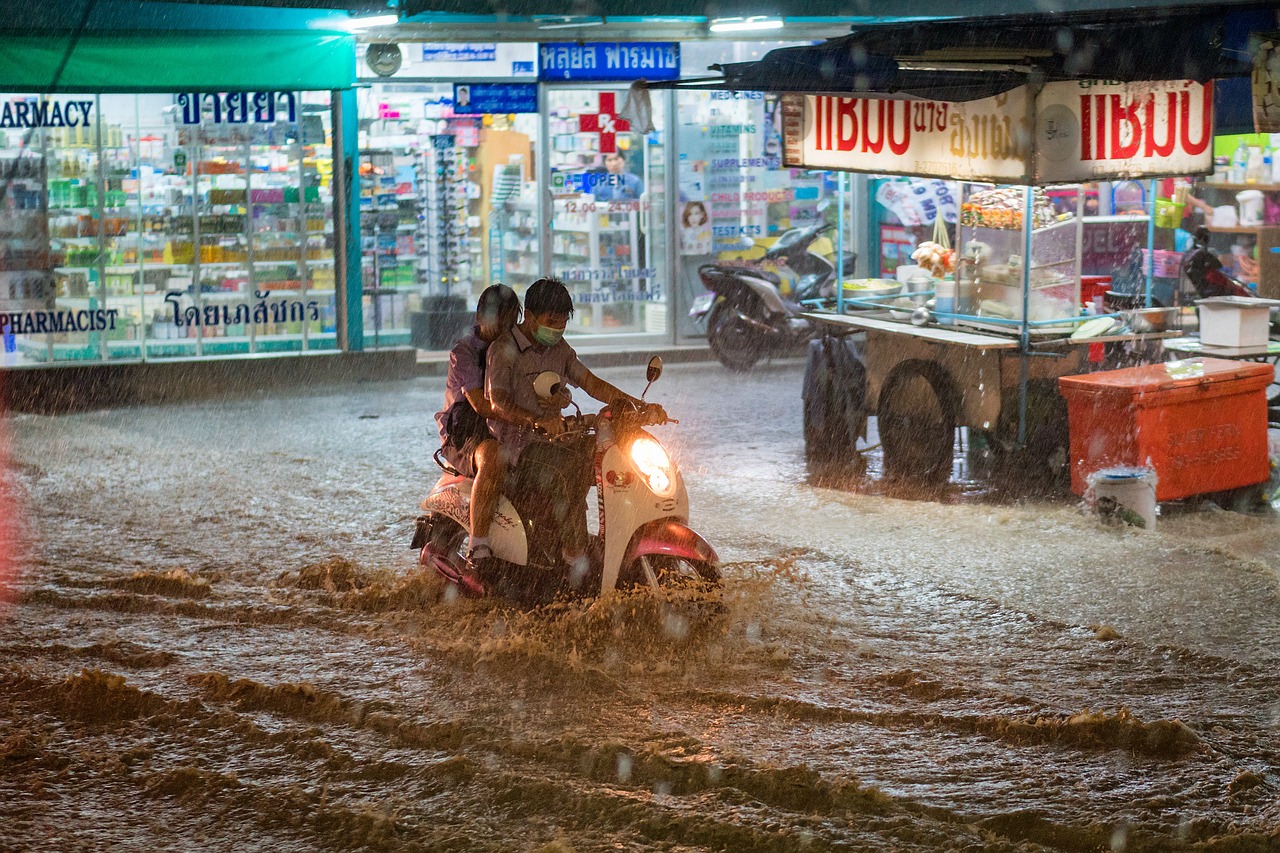
Edmonton is experiencing its wettest summer on record in 2026, forcing municipal leaders and residents to adapt to unprecedented rainfall. The region has already recorded 655.7 millimetres of precipitation since the start of the year. This total includes both heavy winter snowfalls and relentless summer rainstorms. With more storms expected, this article examines how this extreme weather impacts local infrastructure. You will learn key strategies to protect your property.
- The Edmonton region has recorded an unprecedented 655.7 mm of precipitation so far in 2026.
- This record-breaking total stems from both intense winter snowfalls and severe summer rainstorms.
- Meteorologists warn that more storms are highly likely before the year ends.
- Local infrastructure faces significant pressure, prompting calls for urgent climate adaptation strategies.
Historically, Alberta’s capital experiences a mix of dry summer heat and occasional thunderstorms. However, the current year has completely rewritten the local meteorological history books.
The extraordinary precipitation levels began early in the year with heavy winter snowstorms. These storms blanketed the metropolitan area in unusually thick layers of snow.
As temperatures warmed, the rapid snowmelt transitioned directly into persistent, heavy summer rainfall. This continuous moisture loop has left regional soils completely saturated. Consequently, the ground cannot absorb any additional water, leading to immediate runoff.
Local weather stations have monitored these patterns closely. Their findings indicate a significant shift in regional weather stability. This shift has caught many long-time residents by surprise.
Why is Edmonton experiencing this unprecedented rainfall?
Atmospheric patterns over Western Canada have remained unusually stagnant throughout the season. These blocked weather systems continually funnel moist air directly into the Alberta capital region.
Consequently, storm after storm has developed over the Rocky Mountain foothills and moved eastward. These systems stall directly over the city, dumping vast amounts of water in short periods.
Climatologists point to these shifting jet stream patterns as a primary driver of the intense storm cycles. To track these shifting weather patterns, Canadians rely on updates from the Environment and Climate Change Canada portal.
These official updates help local municipalities prepare for potential emergencies. Understanding these patterns is crucial for long-term urban planning. It allows cities to design better climate adaptation strategies.
How does this record-breaking precipitation affect local infrastructure?
The massive influx of water has put immense pressure on Edmonton’s drainage networks. Drainage systems built for historical averages are struggling to cope with the sheer volume of runoff.
As a result, localized flooding has shut down major roadways and flooded residential basements. City crews are working overtime to clear blocked storm basins and manage rising river levels.
Furthermore, saturated ground conditions increase the risk of slope instability along the North Saskatchewan River valley. Geotechnical teams are actively monitoring vulnerable hillsides for signs of erosion or landslides. Municipal authorities are urging residents to stay away from unstable riverbanks.
Transit services have also experienced minor delays due to water pooling on light rail tracks. Maintenance teams are working around the clock to ensure commuter safety.
What do the meteorology data and expert observations show?
The recorded 655.7 mm of precipitation marks a stark departure from the region’s typical annual average. Normally, Edmonton receives around 450 mm of total precipitation over an entire calendar year.
Exceeding this average before the autumn season highlights the extreme nature of current weather patterns. Local hydrologists warn that saturated soils can no longer absorb additional water.
Therefore, even minor rain showers now pose an immediate threat of surface flooding. Every new storm system threatens to exacerbate the existing damage to public and private property. City officials continue to monitor water levels closely to deploy emergency resources where needed.
Local businesses have also reported increased demand for water restoration services. Sump pump sales have reached record highs across the metropolitan area.
What steps must Edmonton residents take to adapt?
Homeowners must take immediate, proactive steps to protect their properties from water damage. Clearing eavestroughs and extending downspouts away from foundations are critical first steps.
Additionally, installing backwater prevention valves can prevent sewer backup during intense downpours. Residents should also avoid driving through flooded underpasses during sudden storms.
As the city prepares for more unstable weather, community cooperation remains vital. Checking on vulnerable neighbours and reporting blocked storm drains can prevent widespread localized flooding. Ensuring emergency kits are fully stocked is also highly recommended for all households.
Local insurance brokers suggest reviewing property policies to ensure adequate flood coverage is in place. Taking these steps now can save thousands of dollars in future repairs.
Adapting to this historic wet season requires a collective effort from both municipal leaders and everyday citizens. While city crews work to reinforce aging drainage infrastructure, individual preparedness remains the most effective line of defence. Embracing proactive property maintenance and staying informed on weather alerts will help Edmontonians navigate this unprecedented year safely.


