
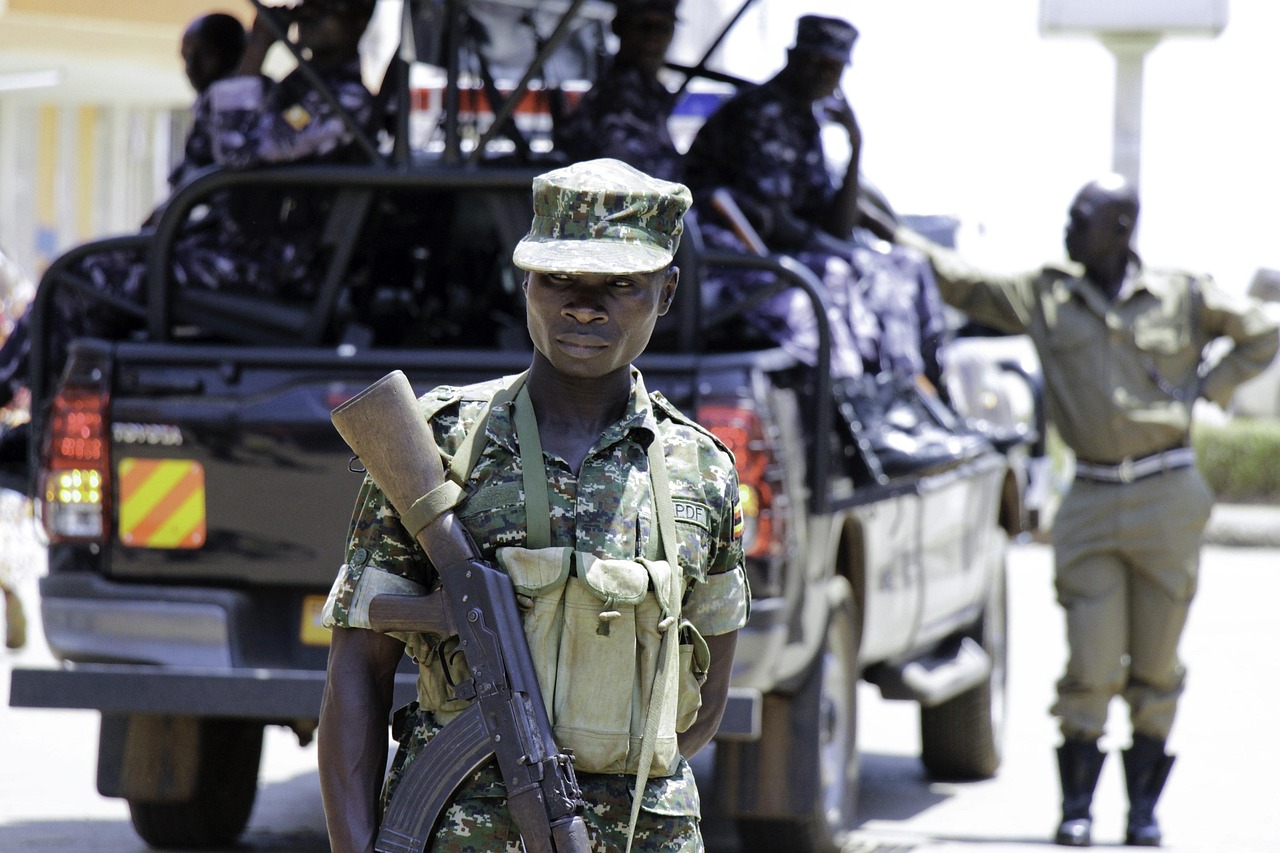
In a decisive move to secure its North African borders, Spain is deploying military forces to its Ceuta exclave. This urgent intervention follows an incident where hundreds of migrants crossed the frontier from neighbouring Morocco. Madrid confirmed the deployment to restore order as hundreds more gathered near the border. Readers will learn about the geopolitical impacts of this Spain Ceuta border security crisis. We also examine how European authorities are responding to the escalating situation.
- Spain is deploying troops to Ceuta to reinforce border security after a major migrant influx.
- Hundreds of individuals crossed the border from Morocco, with more gathering nearby.
- The situation highlights ongoing geopolitical tensions and migration challenges in North Africa.
Why is the Ceuta border a critical point for European migration?
Ceuta and Melilla are two Spanish exclaves located on the north coast of Africa. Consequently, they represent the only land borders between the European Union and an African nation.
Over the years, these territories have become primary targets for individuals seeking entry into Europe. Historically, Spain and Morocco have collaborated to manage these heavily fortified borders.
However, diplomatic disputes occasionally disrupt this cooperation. In recent quarters, border pressures have intensified significantly, leading to sudden surges in crossing attempts.
How is Madrid responding to the sudden influx?
In response to the breach, Spain immediately mobilized regular army units to support local police forces. Military vehicles now patrol the perimeter to prevent further unauthorized crossings.
Local authorities emphasize that the deployment aims to ensure safety for both residents and migrants. Meanwhile, emergency services have set up temporary processing centres near the border.
Additionally, Spanish officials are engaging in urgent talks with their Moroccan counterparts. This dialogue aims to restore normal border controls as quickly as possible.
What are the broader security and humanitarian implications?
The sudden influx has renewed debates over regional security and humanitarian obligations. Human rights organizations urge authorities to guarantee the safety of vulnerable individuals.
Conversely, security analysts argue that unchecked crossings threaten regional stability. Spain must balance these humanitarian concerns with strict adherence to European Union border management frameworks.
Furthermore, this event could strain relations between Madrid and Rabat. Successful border management relies heavily on continuous bilateral trust and shared intelligence.
How do external observers view the military deployment?
International observers note that military deployments at civilian borders remain highly controversial. Some argue that soldiers are not trained for humanitarian duties.
However, supporters of the move maintain that emergency situations require rapid, disciplined intervention. The presence of troops serves as a strong deterrent to organized human trafficking networks.
Additionally, local businesses in Ceuta have expressed concerns over prolonged border closures. A stable frontier is essential for the economic survival of the exclave.
What role does bilateral diplomacy play in resolving this crisis?
Effective communication between Madrid and Rabat remains the cornerstone of regional stability. Historically, joint security agreements have successfully reduced illegal crossings.
However, any breakdown in communication quickly leads to operational challenges at the border fence. Therefore, maintaining open diplomatic channels is vital during active security incidents.
In the past, coordinated efforts have led to joint repatriation programmes and shared intelligence. Re-establishing this level of cooperation is now a top priority for both governments.
How is the physical border infrastructure being reinforced?
The border fence separating Ceuta from Morocco is a highly sophisticated security barrier. It features advanced detection systems, watchtowers, and physical obstacles.
Despite these measures, large groups can sometimes overwhelm the barriers through sheer numbers. Consequently, physical reinforcements are often required during sudden surges.
Engineers are currently assessing the damaged sections of the fence to initiate immediate repairs. These technical upgrades will assist the deployed troops in maintaining long-term control.
What does this mean for future Mediterranean border policies?
This crisis will likely prompt calls for increased European Union funding for border defence. Other Mediterranean nations are watching the situation closely as they face similar pressures.
In the coming weeks, Spain will likely push for stronger joint patrols with Moroccan security forces. Ultimately, stabilizing the region requires long-term economic investment and deeper diplomatic cooperation.
By addressing the root causes of migration, both nations can work toward preventing future border emergencies.


