
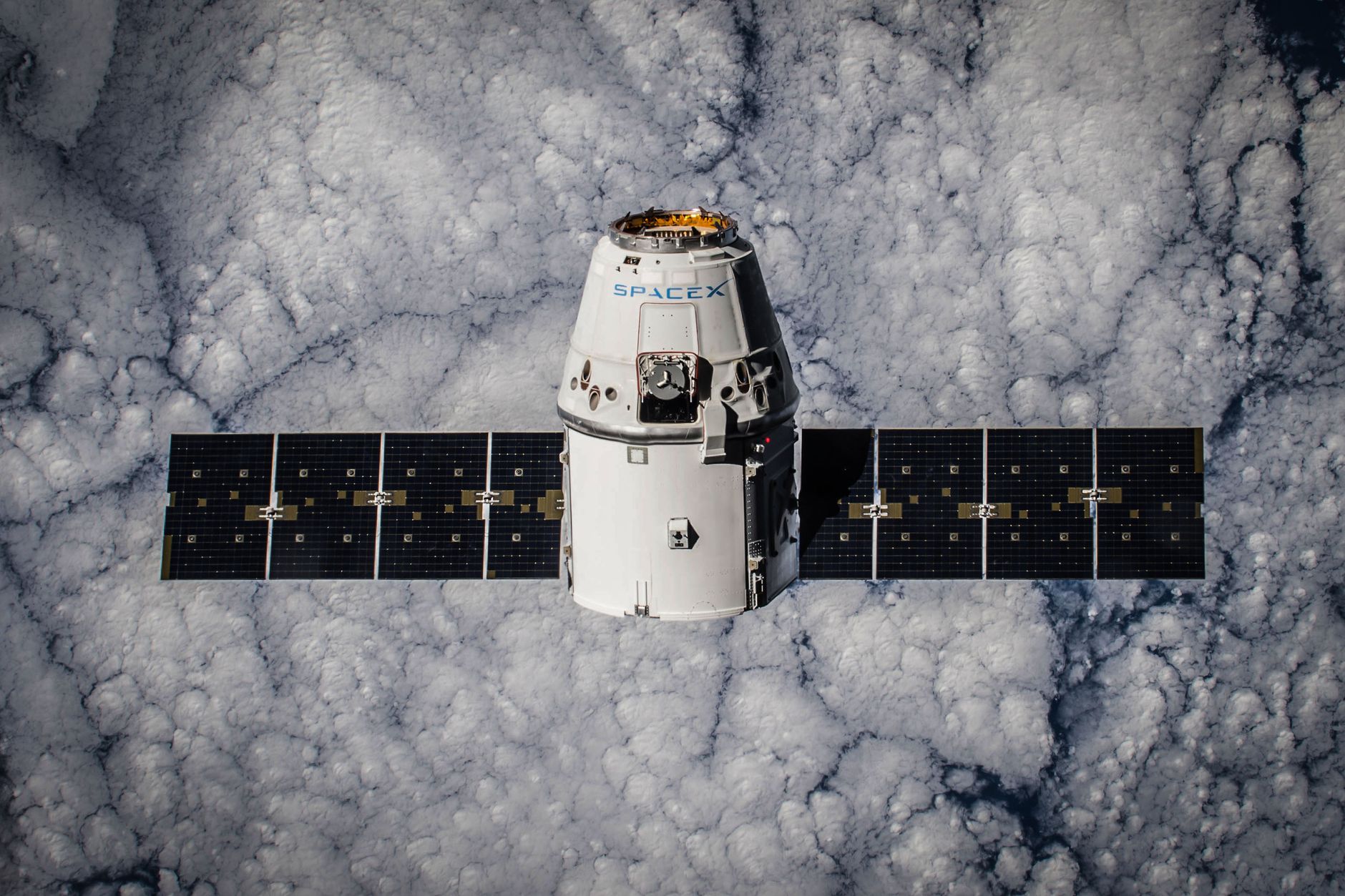
Alberta astronaut Joshua Kutryk is preparing to launch to the International Space Station (ISS) on NASA’s SpaceX Crew-13 mission. This crucial Canadian space mission represents a major milestone for the nation’s aerospace sector. Representing the Canadian Space Agency, Kutryk will spend six months conducting critical scientific experiments in orbit. Readers will discover the mission’s scientific objectives, timeline details, and the broader impact on Canadian technology.
- Canadian Space Agency astronaut Joshua Kutryk will join NASA’s SpaceX Crew-13 mission for a six-month stay on the ISS.
- The mission focuses on advanced microgravity research, testing robotic technologies, and executing deep-space preparation protocols.
- This deployment strengthens Canada’s strategic partnership with international space agencies during a pivotal era of lunar exploration.
The road to the ISS for Canada’s newest astronaut
Canada’s involvement in human spaceflight has yielded decades of technological breakthroughs.
Recently, the nation secured multiple flight opportunities through strategic international partnerships.
This upcoming flight represents the next step in Canada’s space portfolio.
Kutryk, raised in Fort Saskatchewan, Alberta, was selected as an astronaut in 2017.
Since then, he has undergone years of rigorous training for long-duration missions.
His preparation included survival training, spacewalk simulations, and intensive systems study.
This extensive training ensures he is ready to handle the complex environment of the space station.
His journey reflects Canada’s sustained commitment to maintaining an active human presence in space.
What will the Crew-13 mission achieve on the ISS?
The SpaceX Crew-13 mission focuses on cutting-edge scientific research in microgravity.
Kutryk and his crewmates will conduct over one hundred scientific experiments.
These studies will investigate how space radiation affects human cardiovascular systems.
Additionally, the crew will test new life-support systems designed for deep-space travel.
Some experiments will also focus on materials science and automated crop production.
These innovations will directly benefit future long-duration missions to the Moon.
The crew will also perform routine maintenance to keep the orbital laboratory fully operational.
Every task completed contributes to our collective understanding of off-planet living conditions.
How does this mission benefit Canadian science?
This mission directly supports Canadian researchers and scientific institutions.
Canadian universities have developed several experiments that Kutryk will run in orbit.
For instance, researchers are studying how prolonged weightlessness alters immune system responses.
The official Canadian Space Agency profile for Joshua Kutryk highlights his extensive background as a test pilot and engineer.
His technical expertise is vital for operating the station’s robotic systems.
Furthermore, these experiments will generate valuable data for Canadian healthcare technologies.
The findings could lead to better treatments for osteoporosis and bedridden patients on Earth.
Medical teams across Canada are eager to analyze the physiological data collected during the mission.
This collaboration showcases the practical benefits of space research for everyday citizens.
Why is Canada expanding its presence in orbit?
International collaboration remains a cornerstone of Canada’s outer space policy.
By contributing advanced robotics, Canada secures valuable flight opportunities for its astronauts.
This strategy ensures Canadian scientists remain at the forefront of global innovation.
Moreover, the mission inspires the next generation of Canadian engineers and scientists.
Educational outreach programmes will connect Kutryk directly with classrooms across the country.
Students will get to see real-time science happening aboard the space station.
This direct engagement fosters a strong interest in science, technology, engineering, and mathematics.
Building a robust talent pipeline is essential for Canada’s future economic competitiveness.
What are the long-term implications for the aerospace sector?
This mission paves the way for Canada’s participation in the upcoming Artemis lunar programme.
The skills gained on the ISS are essential for future deep-space habitats.
Canadian companies are already developing AI-driven medical tools for lunar missions.
Consequently, these commercial partnerships are creating high-skilled jobs across Canada.
The domestic aerospace sector continues to grow rapidly as a result.
This momentum positions Canada as a key player in the trillion-dollar space economy.
Investing in space technology also drives innovation in terrestrial sectors like telecommunications.
As a result, Canada’s global reputation as a high-tech hub continues to strengthen.
How does international cooperation shape modern space missions?
Modern space exploration relies heavily on international cooperation and shared resources.
No single nation can undertake these complex voyages alone.
The ISS serves as a prime example of global unity and shared scientific ambition.
By working together, partner nations pool their expertise to solve complex engineering challenges.
This collaborative model will also guide future missions to Mars and beyond.
Canada’s contributions, particularly in robotics, have made it an indispensable partner.
The upcoming Crew-13 launch reinforces this vital global alliance.
It demonstrates that Canada is ready to help lead the next era of discovery.
As Kutryk prepares for his journey, the global aerospace community is watching closely.
This mission is more than a scientific endeavour; it is a testament to Canadian ingenuity.
By pushing the boundaries of discovery, Canada continues to prove its vital role in space.
The knowledge gained will shape scientific progress on Earth and beyond for years to come.
Ultimately, this voyage will inspire millions of Canadians to look up and reach higher.


