
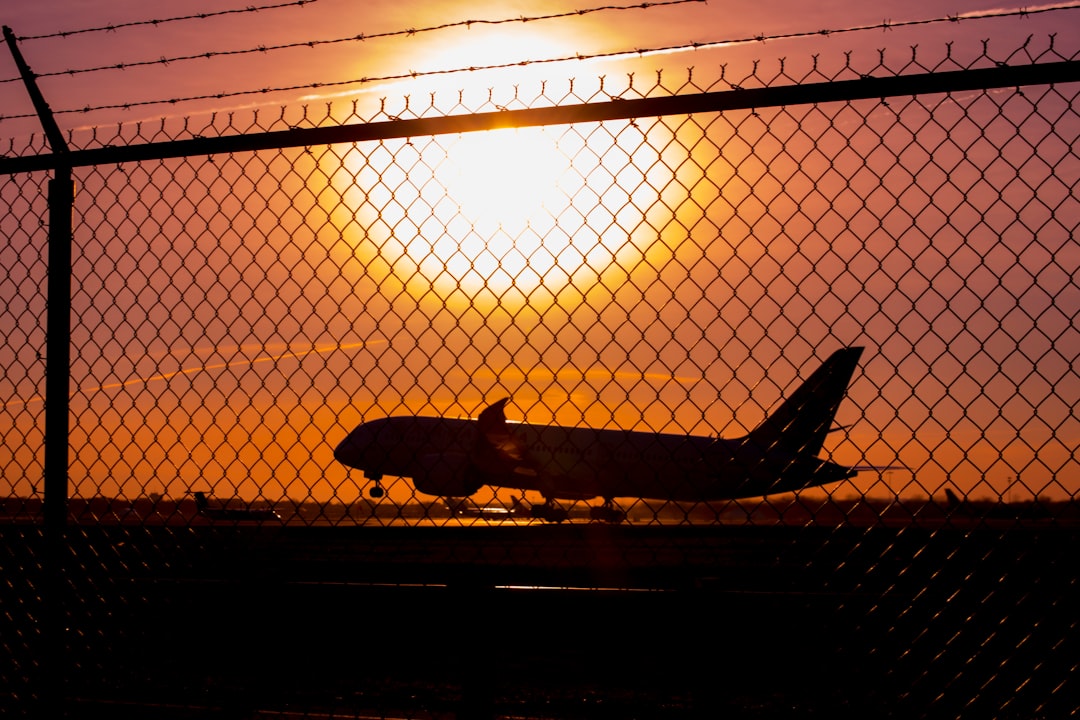
Canadian travellers can finally breathe a sigh of relief. A sudden WestJet flight attendants strike has officially ended. Negotiators reached a tentative agreement overnight. This critical breakthrough restores full operations across the airline’s network. You will learn about the overnight settlement. We also cover its impact on your upcoming travel plans.
- WestJet and its flight attendants reached a tentative deal overnight, ending the active strike.
- Flight operations are gradually returning to normal across all major Canadian airports.
- Passengers with disrupted flights remain eligible for standard federal compensation and rebooking.
- Union members will vote on the proposed collective agreement in the coming weeks.
What is the Context Behind This Labour Dispute?
Labour tensions had been escalating for several months before the sudden work stoppage. The union, representing thousands of cabin crew members, focused heavily on fair wages and improved scheduling.
Consequently, the abrupt strike disrupted thousands of passengers across Canada. The dispute threatened to paralyze national air travel during a busy seasonal peak.
Fortunately, intense overnight negotiations prevented a prolonged shutdown. Both parties worked under intense federal pressure to secure a compromise.
Historically, Canadian airlines have faced significant operational hurdles when labour disputes drag on. This rapid resolution avoids the catastrophic delays seen in previous industry disputes.
How Will This Settlement Affect Your Upcoming Flight?
Fortunately, flights are resuming quickly. WestJet is currently working to stabilize its daily schedule.
However, some residual delays may occur as aircraft and crews return to their designated bases. Passengers should check their flight status before heading to the airport.
If your flight was cancelled during the strike, you retain specific rights. The Canadian Transportation Agency mandates that airlines must rebook passengers or provide refunds under strict guidelines.
Travel experts recommend keeping all receipts for food and accommodation if you experienced delays. You may be eligible for reimbursement under federal passenger protection regulations.
Additionally, the airline has promised to waive change fees for affected customers. This policy helps travellers rebook their journeys without financial penalties.
What Are the Key Details of the Tentative Agreement?
While the complete details remain confidential, early reports highlight several major wins. The union secured better wage structures that address persistent inflation concerns.
Additionally, the agreement introduces more predictable scheduling rules for senior and junior crew members. These changes aim to combat chronic workplace fatigue.
Union leadership plans to present this tentative agreement to its membership soon. A ratification vote will determine the final outcome of these collective bargaining efforts.
If the members reject the deal, negotiations could resume. However, industry insiders believe the current terms are highly favourable to the workers.
The bargaining committee has strongly recommended that members vote in favour of the new contract. This endorsement suggests a high likelihood of successful ratification.
What Do Industry Experts Say About the Agreement?
Aviation analysts suggest this resolution prevents massive financial losses for the Canadian tourism sector. A prolonged strike would have cost millions of dollars daily.
This quick resolution is a massive victory for both parties. It protects the brand’s reputation while addressing critical worker demands.
Furthermore, other Canadian airlines were preparing to absorb stranded passengers. However, their limited capacity meant they could not handle the excess volume alone.
Data from recent travel quarters shows that consumer loyalty drops significantly during active strikes. By settling quickly, WestJet successfully mitigated long-term damage to its brand equity.
How Does This Impact the Broader Canadian Economy?
The aviation sector serves as a vital economic engine for Canada. A prolonged strike would have disrupted critical business travel and freight logistics across the country.
Furthermore, tourism operators in Western Canada heavily rely on WestJet’s extensive flight network. Local businesses expressed immense relief when news of the tentative agreement broke.
Our regional economies depend heavily on reliable air connectivity. Any prolonged disruption threatens local hospitality jobs and business partnerships.
By resolving the dispute quickly, both parties protected the broader economic interests of the nation. This swift action preserves consumer confidence during a crucial travel window.
What Lies Ahead for Canadian Aviation?
This labour dispute highlights a growing trend of worker empowerment within the global aviation sector. Pilots, baggage handlers, and cabin crews are demanding better conditions.
As a result, travellers may see ticket prices rise slightly to offset increased labour costs. Airlines must balance operational expenses with competitive pricing.
Ultimately, this agreement ensures operational stability for WestJet during a critical operational period. Passengers can book their future trips with renewed confidence.
Moving forward, other airlines will likely watch this agreement closely. It establishes a new benchmark for collective bargaining in the Canadian transportation sector.


