
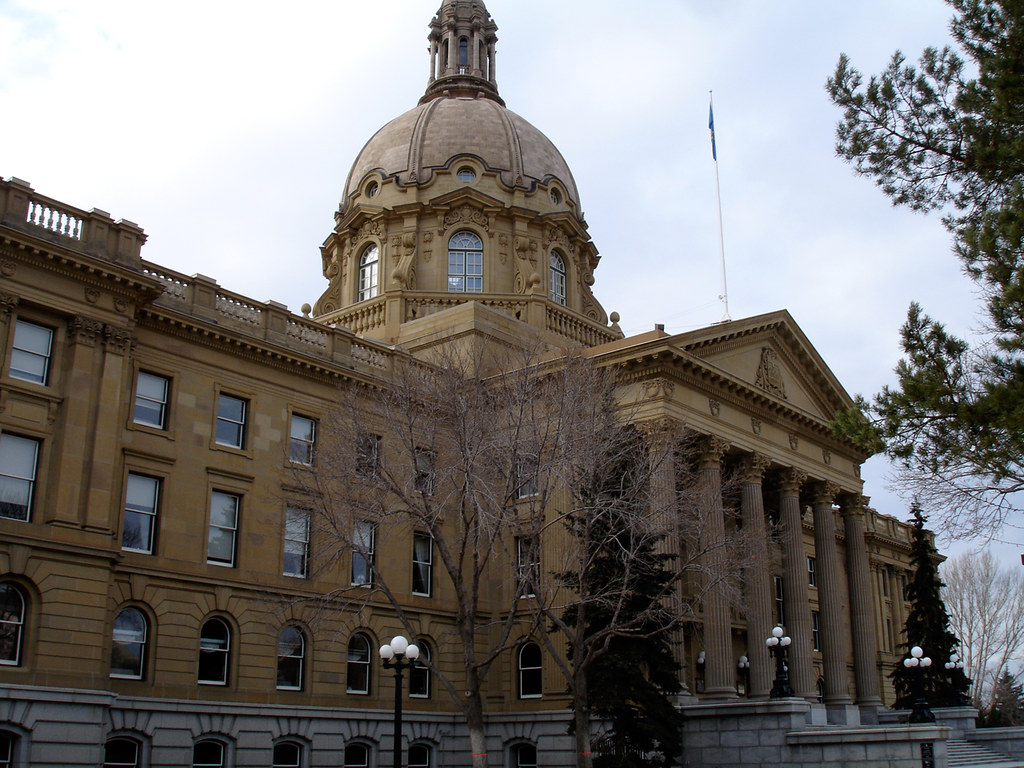
An Alberta legal expert is raising concerns over the government’s decision to include immigration queries in the upcoming October vote.
Calgary-based lawyers argue these Alberta referendum immigration questions are harmful. They shift focus away from critical constitutional debates.
This article details how these ballot questions impact communities. It also explores what legal experts say about provincial jurisdiction.
- Legal experts warn that including immigration questions on the provincial ballot could stoke division and harm vulnerable communities.
- Critics argue the questions are legally redundant because immigration remains a shared federal-provincial jurisdiction under the Canadian Constitution.
- The ongoing debate threatens to overshadow broader discussions regarding Alberta’s economic and political position within Confederation.
Understanding the Context of Alberta’s Upcoming Referendum
Under the Canadian Constitution, immigration is a shared responsibility between federal and provincial governments.
Recently, the Alberta government finalized a list of ten referendum questions for the upcoming October ballot.
While early discussions focused heavily on Alberta’s place in Confederation, the sudden spotlight on immigration has sparked intense public debate.
Legal professionals are now questioning the provincial government’s motivations behind these specific inquiries.
They argue that the ballot questions do not address the actual structural issues facing the province.
Instead, critics suggest the wording serves to politicize a complex administrative process.
Why Are Legal Experts Calling the Referendum Questions Harmful?
Many legal advocates believe the ballot language unfairly targets newcomers.
They argue that framing immigration as a provincial burden creates unnecessary social division.
Consequently, community leaders worry the political rhetoric will lead to increased discrimination across the province.
Furthermore, experts suggest these questions could damage Alberta’s reputation as a welcoming destination for global talent.
This reputational risk comes at a time when local businesses face persistent labour shortages.
Therefore, polarizing the public on this issue could yield negative economic consequences.
In addition, legal scholars point out that public referendums rarely capture the nuance required for complex policy.
Complex immigration laws cannot be easily simplified into yes-or-no questions.
Thus, the ballot risks misinforming voters rather than educating them.
Is Immigration Already Managed Effectively in Alberta?
The province already possesses significant influence over its newcomer intake.
Through the Alberta Advantage Immigration Program, the local government selects candidates to meet specific economic needs.
This targeted approach allows the province to address immediate labour gaps effectively.
Because of this existing authority, critics label the new ballot questions as politically motivated.
They argue the province does not need a referendum to adjust its current immigration strategies.
The existing legal framework already provides ample room for provincial input.
According to the Government of Alberta portal, provincial pathways already align with local labour demands.
Therefore, additional public polling on the matter appears legally redundant.
It creates administrative confusion without offering practical solutions.
How Do These Questions Impact Canadian Federalism?
The upcoming vote could strain relations between Edmonton and Ottawa.
Historically, provincial referendums on federal matters serve as political leverage rather than legally binding instruments.
However, challenging federal jurisdiction through public ballots can create constitutional confusion.
Legal scholars warn this strategy may set a challenging precedent for other provinces.
If every province votes on federal responsibilities, national unity could weaken.
As a result, the referendum could complicate future negotiations on funding and social services.
Furthermore, federal-provincial cooperation is essential for successful settlement services.
Straining these relationships could reduce the funding available for language training and housing support.
Ultimately, the newcomers themselves will bear the cost of these political disputes.
What Do These Changes Mean for Alberta Residents?
For everyday Albertans, the referendum represents a pivotal moment for provincial identity.
Voters must decide whether to support a more autonomous provincial stance or maintain traditional federal partnerships.
This decision will influence how the province interacts with the rest of Canada.
Meanwhile, immigrant settlement agencies are preparing for potential shifts in public sentiment.
They emphasize that clear, factual communication remains vital during highly charged political campaigns.
These organizations are working hard to reassure clients amid growing uncertainty.
Looking ahead, businesses must also navigate the changing political landscape.
A stable and welcoming environment is crucial for attracting international investment.
Consequently, the business community is watching the debate with great interest.
Moving forward, the debate over the referendum highlights the delicate balance of Canadian federalism.
While the provincial government seeks to assert its authority, the human cost of political rhetoric remains a primary concern.
Legal experts continue to urge voters to research the constitutional realities before casting their ballots.
Ultimately, the outcome of the October vote will shape Alberta’s social and economic policies for years to come.
Ensuring that public discussions remain respectful and fact-based is essential for provincial unity.
By focusing on constructive dialogue, Albertans can build a prosperous future that respects both local needs and national partnerships.


