
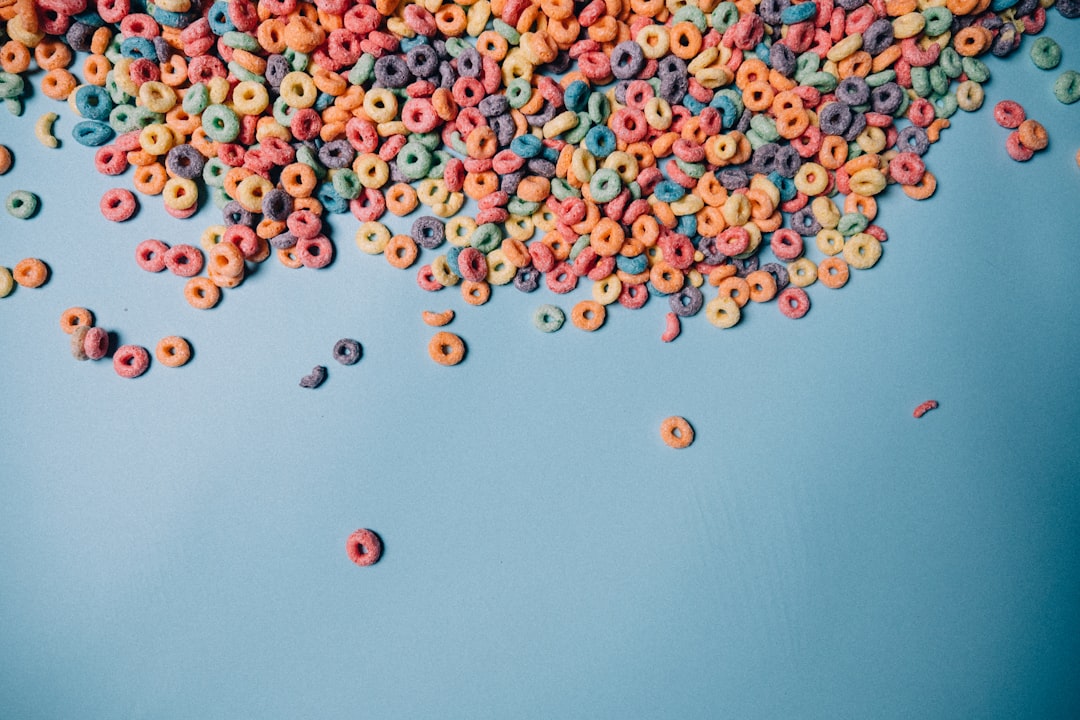
Kellogg is accelerating its timeline to eliminate synthetic food dyes from its American cereals by the end of 2026. This major shift comes a full year ahead of the company’s original schedule announced in late 2025. Consumers will learn how this rapid transition impacts popular breakfast brands and changing food industry standards.
- Kellogg will eliminate all artificial dyes from its U.S. cereals by the end of 2026.
- The fast-tracked initiative moves the original deadline forward by an entire year.
- This decision reflects growing consumer demand for natural ingredients and cleaner food labels.
How Did the Timeline Move Forward So Quickly?
Initially, the food manufacturing giant planned a slower transition. Last year, in August 2025, the company committed to removing synthetic colouring by the end of 2027. However, shifting market dynamics forced a faster response.
Consequently, the company restructured its supply chain to meet the accelerated 2026 goal. This decision marks a significant milestone in the packaged food sector. It shows that major corporations can pivot quickly when consumer demand intensifies.
Historically, major food reformulations took several years to complete. Sourcing stable, natural alternatives at a global scale presented massive logistical hurdles. However, pressure from advocacy groups and health-conscious parents altered the corporate timeline.
How Will This Decision Affect Your Favourite Breakfast Cereals?
For decades, iconic brands relied on bright, synthetic dyes to attract shoppers. Now, developers must replace these chemicals with natural alternatives.
Ingredients like turmeric, beet juice, and beta-carotene will replace traditional petroleum-based dyes. However, matching the original vibrant colours remains a technical challenge. Natural colours tend to fade faster when exposed to light and heat.
Fortunately, recent advancements in food science make these natural extractions more stable. As a result, consumers should notice very little difference in taste or appearance. The iconic look of childhood favourites will remain largely intact.
Furthermore, these changes will apply across the entire United States product line. This means millions of households will transition to cleaner diets simultaneously. The scale of this ingredient shift is truly unprecedented.
Why Is the Food Industry Moving Away From Synthetic Dyes?
Consumer preferences have shifted dramatically toward clean-label products. Many shoppers now actively avoid artificial additives and preservatives. They demand transparency in the foods they serve their families.
Additionally, regulatory scrutiny on synthetic additives is intensifying globally. The U.S. Food and Drug Administration color additives guidelines continue to monitor safety standards closely. State-level bans have also gained significant momentum recently.
Because of this scrutiny, major brands want to stay ahead of potential legislative bans. Proactive removal protects brand reputation and market share. It is far better to lead the industry than to react to laws.
Moreover, international markets have already restricted many of these dyes. Aligning American products with global standards simplifies manufacturing processes. This alignment reduces overall operational costs in the long run.
What Do Experts Say About the Accelerated Timeline?
Industry analysts view this acceleration as a highly strategic move. It allows the company to capture health-conscious consumers much faster. It also positions the brand as an innovative wellness leader.
Furthermore, it pressures competitors to accelerate their own clean-label initiatives. The cereal aisle is becoming a key battleground for health-focused marketing. Brands that fail to adapt risk losing shelf space to modern startups.
Nutritionists generally welcome the change as a positive step for public health. Eliminating artificial additives reduces unnecessary chemical exposure, especially for young children. Many pediatric studies link synthetic dyes to behavioural changes in kids.
Therefore, removing these compounds could have a measurable, positive impact on childhood development. Public health advocates hope other manufacturers will follow this bold example quickly.
What Technical Challenges Did the Company Overcome?
Replicating bright blues and intense reds without synthetic chemicals is notoriously difficult. Natural blue pigments, often derived from spirulina, can be highly sensitive to acidity. Food scientists spent countless hours perfecting these delicate formulas.
Additionally, natural ingredients can sometimes introduce unwanted flavours. For example, using beet juice for red hues can leave an earthy aftertaste. Scientists had to mask these flavours without adding extra sugar.
Fortunately, advanced filtration techniques resolved most of these sensory issues. The new cereal batches look and taste identical to their classic counterparts. This technological breakthrough paved the way for the accelerated launch.
What Are the Broader Implications for the Food Market?
This transition will likely trigger a massive shift in the agricultural supply chain. Demand for natural colouring agents is expected to skyrocket.
Consequently, farmers producing crops like black carrots and sweet potatoes will see increased business. Supply chains must adapt quickly to prevent shortages. Ingredient suppliers are already expanding their processing facilities to meet demand.
Ultimately, this move signals the beginning of the end for synthetic dyes in mainstream processed foods. Other global markets may soon demand similar rapid reformulations. The momentum behind natural ingredients is now completely unstoppable.
The era of heavily processed, artificial breakfast foods is quickly drawing to a close. Families can look forward to cleaner breakfast tables by the end of this year. This quiet revolution in our food supply benefits everyone.


