
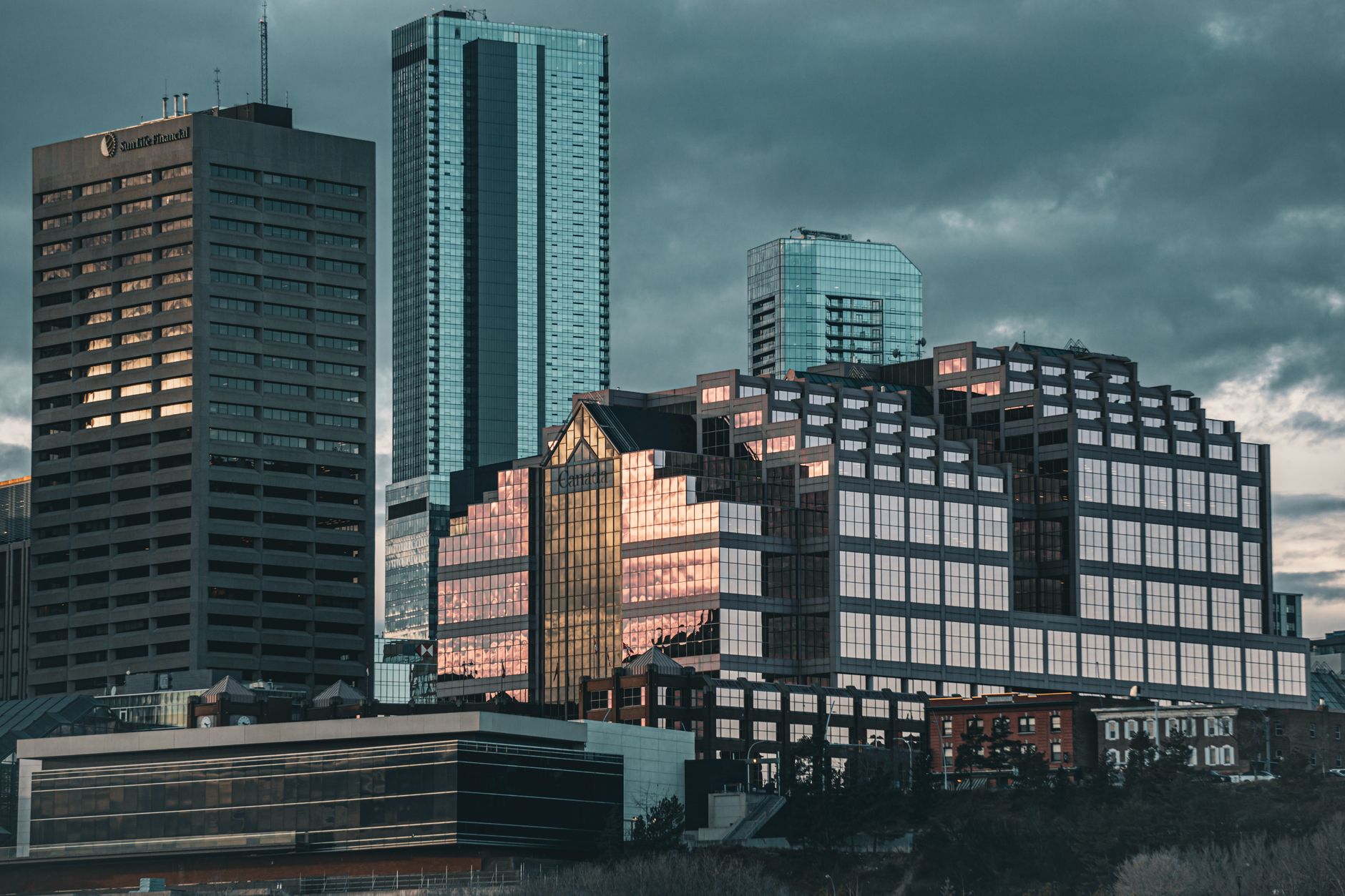
Recently, Westrich Pacific announced a massive project to transform the Edmonton City Centre mall into a mixed-use hub. This ambitious Edmonton City Centre redevelopment will introduce new residential towers, modern retail spaces, and diverse entertainment options. Readers will learn how this transformation aims to revitalize the downtown core and reshape urban living in Alberta’s capital.
- Westrich Pacific plans a massive, multi-phase transformation of the Edmonton City Centre mall.
- The project will introduce new residential units, diverse retail, entertainment, and wellness spaces.
- This redevelopment aligns with broader municipal goals to revitalize the downtown core.
Historically, downtown shopping centres across Canada have faced shifting consumer habits. Consequently, many municipalities are actively supporting the transition toward mixed-use urban spaces.
The Edmonton City Centre mall has long served as a prominent commercial hub. However, modern urban planning now prioritizes high-density, walkable communities over traditional malls.
Recently, the acquisition of this property by Westrich Pacific marked a major turning point. This transition signals a bold departure from conventional retail-only spaces.
The developers aim to address the growing demand for urban housing. At the same time, they seek to preserve the commercial vitality of the site.
How will the Edmonton City Centre redevelopment change downtown living?
The planned project introduces high-density residential towers directly into the urban core. Consequently, thousands of new residents will live, work, and play in the immediate area.
This influx of residents will likely stimulate the local economy. Furthermore, street-level activity will increase significantly during evenings and weekends.
By blending housing with daily amenities, the project supports a highly sustainable lifestyle. This approach aligns directly with the City of Edmonton urban planning initiatives for sustainable growth.
Active transportation will also receive a major boost. Residents will have direct access to transit, reducing reliance on personal vehicles.
This shift fosters a healthier, more connected community. Ultimately, it redefines what it means to live in downtown Edmonton.
What retail and wellness options can visitors expect?
The developer intends to curate a diverse mix of experiential retail and entertainment. Therefore, the space will become a destination rather than just a shopping stop.
Additionally, dedicated wellness facilities will cater to health-conscious urban dwellers. These spaces may include modern fitness centres, clinics, and public green areas.
Ultimately, this variety aims to attract a broader demographic to the downtown core. Families, young professionals, and seniors will find tailored amenities.
New dining options will also play a key role. Visitors can expect a range of culinary experiences, from quick bites to fine dining.
These gathering spaces will encourage social interaction and community building. Thus, the development becomes a social anchor for the city.
Why are developers shifting to mixed-use models?
Traditional retail models face significant headwinds from e-commerce growth. As a result, developers must diversify their revenue streams to ensure long-term viability.
Adding residential units provides a built-in customer base for onsite retailers. This symbiotic relationship helps safeguard businesses against economic downturns.
Moreover, mixed-use projects maximize land value in prime urban locations. This strategy represents the future of sustainable metropolitan development.
Urban land is a finite resource. Therefore, building upward and integrating services is highly efficient.
Many global cities have successfully adopted this model. Now, Edmonton is poised to join their ranks with this progressive project.
What does this mean for Edmonton’s real estate market?
This massive undertaking will likely boost investor confidence in the downtown sector. Historically, large-scale redevelopments attract secondary investments in surrounding areas.
Property values nearby could see upward pressure as construction progresses. Additionally, the project will create numerous construction and service jobs over several years.
In the long run, this transformation positions Edmonton as a forward-thinking Canadian city. It showcases a clear commitment to modern, resilient urban design.
Potential homebuyers will have more diverse options in the heart of the city. This inventory helps meet the demands of a growing provincial population.
Consequently, Edmonton remains an attractive destination for interprovincial migrants. The city continues to offer a compelling mix of affordability and lifestyle.
How will this project impact local businesses during construction?
Phased development strategies are crucial for minimizing disruption to existing tenants. Fortunately, Westrich Pacific plans to undertake this project in distinct, manageable stages.
This careful approach ensures that current retailers can continue operations. Furthermore, clear communication with the public will help maintain foot traffic.
Local businesses may experience temporary inconveniences during active construction. However, the long-term benefits of a revitalized core far outweigh these challenges.
Nearby merchants will eventually benefit from a much larger pool of daily customers. This transition represents a vital investment in the collective future of downtown business.
Collaboration between the developer and local business associations will remain key. This cooperation ensures a smooth transition throughout the construction lifecycle.
What environmental benefits does the redevelopment offer?
Modern redevelopments heavily emphasize environmental sustainability and energy efficiency. By repurposing existing urban infrastructure, this project reduces the carbon footprint associated with new sprawl.
The integration of energy-efficient building technologies will also lower operational emissions. Additionally, green roofs and urban landscaping can mitigate the heat island effect.
Promoting walkability inherently reduces greenhouse gas emissions from daily commutes. Residents can easily accomplish daily errands without using a car.
This focus on sustainability aligns with global climate goals. It demonstrates how urban density can actively combat environmental degradation.
As Edmonton prepares for this transformative chapter, the focus remains on creating a resilient urban environment. The evolution of the mall represents a bold step toward a dynamic, sustainable downtown. By blending residential living with retail, this project sets a new benchmark for urban design in Western Canada.


