
Health officials have issued a major Whole Foods salmonella recall affecting popular prepared food items across multiple locations. This safety alert links several fresh dips and ready-to-eat meals to potential bacterial contamination originating from a United States supplier. Canadian consumers must check their refrigerators immediately to avoid serious foodborne illness. This guide details the affected products, health risks, and refund procedures.
- Multiple Whole Foods prepared items, including salsas and chicken quesadillas, face recall due to salmonella risks.
- The contamination source traces back to a supplier in the United States.
- Consumers should immediately discard these products or return them to stores for a full refund.
- No serious illnesses have been officially confirmed in Canada at this time.
Food safety regulators recently flagged potential contamination in several fresh food categories. The investigation began after routine testing detected salmonella in ingredient shipments. Consequently, distributors quickly halted shipments to prevent wider distribution.
Historically, cross-border supply chains mean agricultural recalls in the United States rapidly affect Canadian retail shelves. This incident highlights the ongoing challenges of monitoring fresh produce across international borders. Government agencies continue to track the distribution path of the tainted ingredients. This coordinated effort aims to identify any further retail outlets that received the contaminated stock.
Which Whole Foods products are affected?
The recall targets a specific variety of prepared foods sold in the deli and grab-and-go sections. Specifically, items containing raw vegetables and poultry face the highest scrutiny.
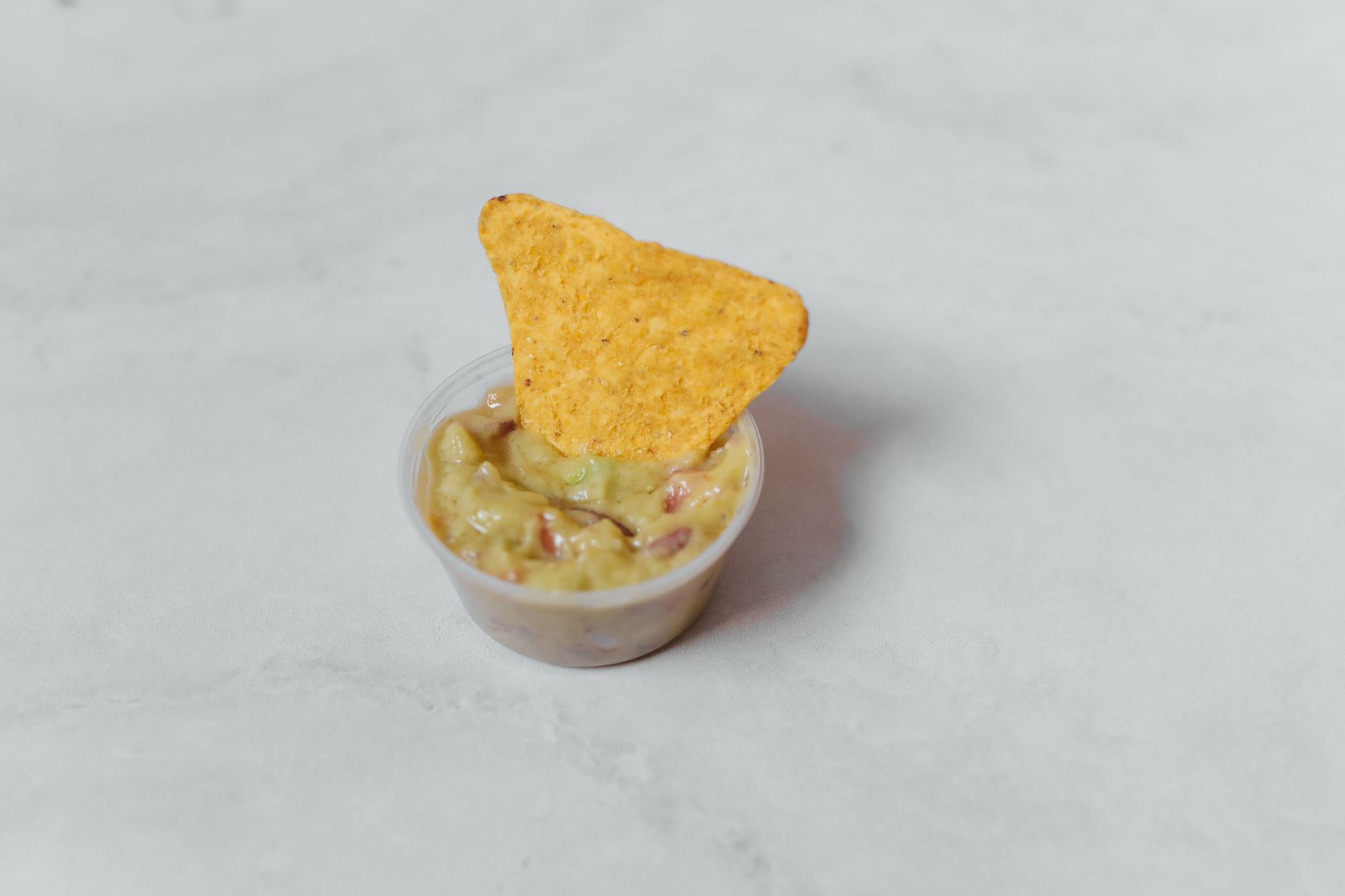
Impacted products range from chicken quesadillas to several types of fresh salsas. Additionally, pre-packaged guacamoles and pico de gallo are included in the warning.
Customers should look for specific best-before dates printed on the packaging. Do not consume any suspected items, even if they smell fresh.
Store employees have already started removing the affected stock from store shelves. However, many consumers may still have these items in their homes. Check your refrigerator drawers and freezer compartments immediately for these specific product labels.
How does salmonella affect human health?
Salmonella bacteria can cause severe gastrointestinal illness in humans. Symptoms typically appear within twelve to seventy-two hours after consuming contaminated food.
Common symptoms include fever, stomach cramps, severe diarrhoea, and vomiting. While most healthy individuals recover without treatment, some cases require hospitalisation.
Vulnerable populations face much higher risks from infection. These groups include young children, elderly citizens, and individuals with weakened immune systems.
If you suspect you became ill from eating these products, contact a healthcare professional immediately. Early diagnosis can prevent more severe medical complications.
What do food safety experts say?
According to federal safety guidelines, foodborne pathogens represent a persistent threat to public health. Regulatory agencies monitor supply chains strictly to catch outbreaks early.
The Canadian Food Inspection Agency food recall system coordinates with retail chains to remove contaminated items swiftly. This collaborative effort helps limit consumer exposure to dangerous pathogens.
Industry analysts note that pre-packaged convenience foods are particularly vulnerable to contamination. Because these items undergo minimal cooking, bacteria can survive easily.
Furthermore, fresh ingredients like cilantro, tomatoes, and onions pass through multiple handling stages. Each stage introduces potential points of contamination that require rigorous monitoring.
What does this mean for grocery retail?
This incident will likely force supermarkets to tighten their quality control measures for prepared foods. Retailers must demand stricter testing protocols from their international suppliers.
Furthermore, consumers may show temporary hesitation when buying pre-made deli items. Transparency in safety communications remains crucial for rebuilding buyer trust.
Ultimately, robust tracking systems are essential to prevent future supply chain disruptions. Companies that invest in blockchain tracking can pinpoint contamination sources much faster.
If you purchased any of the listed items, return them to your local store immediately. Keep your receipts to facilitate a prompt and complete refund. Staying informed about grocery alerts ensures your family remains safe from preventable foodborne hazards.


