
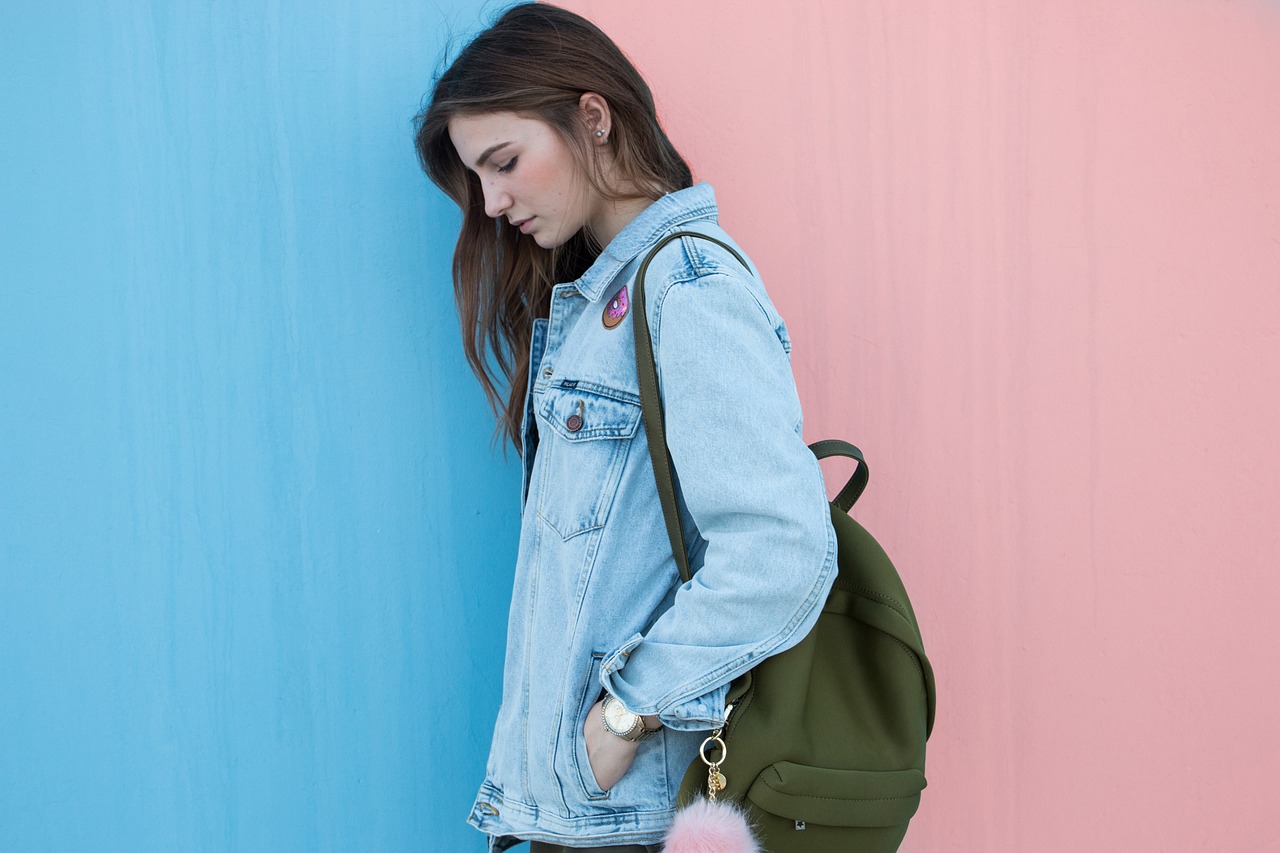
Fashion and beauty trends are evolving rapidly across Canada as consumers embrace bold makeup looks, sustainable fashion choices, and expressive personal style in spring 2026. From Toronto’s growing obsession with “cold girl makeup” to runway-inspired chrome nails and bronzed beauty aesthetics, the latest trends are influencing retailers, beauty brands, and social media creators nationwide. Industry experts say the shift reflects changing consumer habits driven by digital culture, seasonal fashion weeks, and a growing demand for individuality.
Across major cities such as Toronto, Vancouver, and Montreal, fashion-forward consumers are experimenting with layered textures, pastel hair colours, oversized tailoring, and minimalist beauty routines. Social media platforms including TikTok and Instagram continue to accelerate the spread of trends, allowing Canadian shoppers to adopt runway looks almost instantly.
Toronto Beauty Trends Gain Momentum
Toronto’s beauty scene has emerged as a major trend driver this year. One of the most talked-about styles is “cold girl makeup,” a winter-inspired beauty look featuring flushed cheeks, glossy lips, and frosted eyeshadow tones. Beauty influencers and makeup artists say the trend resonates with Canadians because it complements colder climates while maintaining a natural appearance.
“People want makeup that feels effortless but still polished,” said Toronto-based beauty creators featured in recent trend reports. “The focus is shifting toward healthy-looking skin and wearable glamour.”
At the same time, bronzed “Aussie Girl Glam” aesthetics are gaining popularity ahead of summer 2026. The trend emphasizes glowing skin, soft contouring, faux freckles, and lightweight products designed for warmer weather. Beauty publications report that consumers are increasingly favouring breathable makeup formulas over heavy coverage foundations.
Runway Fashion Influences Everyday Canadian Style
Canadian fashion trends are also being shaped by international runway shows and local fashion events. Designers showcased structured coats, lace fabrics, satin textures, and transparent layering during recent fashion weeks, influencing retail collections entering stores this season.
Fashion analysts note that consumers are gravitating toward versatile clothing that balances comfort with elevated styling. Tailored outerwear, monochromatic outfits, and lightweight layering pieces are becoming staples for urban shoppers navigating unpredictable Canadian weather.
Toronto street fashion has particularly embraced breathable fabrics and relaxed silhouettes. Lace skirts, poplin pants, and scarf-inspired prints are appearing in boutiques and department stores as warmer temperatures approach. Meanwhile, spring fashion week events highlighted avant-garde designs mixed with wearable streetwear influences.
Beauty Industry Responds to Consumer Demand
The beauty industry is rapidly adapting to these evolving preferences. Brands are launching products focused on skincare benefits, long-lasting wear, and multifunctionality. New swimwear collections featuring UPF protection and shaping technology are also reflecting the growing overlap between fashion, wellness, and beauty.
Retailers are expanding experiential shopping spaces to attract younger consumers who value personalization and social engagement. Beauty-focused stores in Toronto are increasingly combining retail with spa treatments and in-person consultations to compete with online shopping platforms.
At the same time, experts say consumers are becoming more selective about beauty messaging. Discussions around authenticity, AI-generated imagery, and unrealistic beauty standards are influencing purchasing decisions. Many shoppers now favour “real skin” aesthetics and minimal editing in advertising campaigns.
Industry observers describe 2026 as a turning point where “imperfect beauty” and natural textures are becoming more socially accepted across digital platforms.
Social Media Continues to Shape Fashion and Beauty Trends
TikTok remains one of the strongest drivers of trend adoption in Canada’s fashion and beauty sectors. Viral makeup tutorials, influencer collaborations, and celebrity-inspired looks are influencing purchasing behaviour among younger demographics.
According to trend analysts, beauty products linked to viral online content often sell out within days. Nail art trends such as floral chrome designs and embellished manicures are also seeing increased demand due to their visibility across short-form video platforms.
Fashion brands are responding by investing more heavily in creator partnerships and limited-edition product launches. Canadian consumers are also placing greater emphasis on sustainability, leading brands to highlight ethical sourcing, second-hand fashion, and environmentally conscious packaging.
Economic Pressures Influence Consumer Shopping Habits
While fashion and beauty spending remains strong, inflation and economic uncertainty are changing how Canadians shop. Consumers are prioritizing versatile wardrobe staples, refillable beauty products, and investment purchases that offer long-term value.
Retail experts say shoppers are increasingly mixing luxury accessories with affordable basics rather than purchasing full designer wardrobes. This “high-low” styling approach is helping consumers maintain trend-conscious looks while managing costs.
At the same time, Canadian-made fashion brands are receiving renewed attention as consumers look to support local businesses. National publications and trend platforms have highlighted homegrown designers and retailers benefiting from increased interest in Canadian fashion labels.
What These Trends Mean for Canadian Consumers
The rise of personalized beauty routines, adaptable fashion pieces, and digitally driven trends signals a major shift in how Canadians engage with style culture. Consumers are no longer waiting for seasonal fashion cycles to dictate their choices. Instead, trends now evolve in real time through social media, influencer content, and online communities.
For shoppers, the growing focus on comfort, authenticity, and self-expression offers greater flexibility in building personal style. Industry experts expect these themes to continue shaping the Canadian fashion and beauty market throughout 2026, particularly as brands compete to balance innovation, affordability, and sustainability in an increasingly digital retail environment.


