
On October 14, 2026, specialized dive teams successfully rescued the first of five villagers trapped deep within a flooded cave system in Laos. The operation occurred in the remote karst mountains of Vientiane Province following ten days of intensive search efforts. Heavy monsoon rains had sealed the primary exit, leaving the group stranded on a narrow mud bank deep underground. This successful extraction offers a glimmer of hope as crews race against forecasted storms. In this report, you will learn about the current status of the Laos cave rescue operations, the technical hurdles facing the dive teams, and the medical protocols in place for survivors.
- Rescue teams extracted the first survivor after 240 hours of entrapment.
- Four villagers remain inside the cave as divers battle rising water levels.
- International experts are utilizing advanced sump-diving technology to navigate zero-visibility zones.
Why did the villagers become trapped in the Tham Nam system?
The incident began on October 4 when five local men entered the Tham Nam cave to seek shelter from a sudden tropical downpour. Within ninety minutes, the cave’s lower chambers filled with runoff from the surrounding limestone peaks. This rapid inundation blocked the only known exit with several metres of sediment-heavy water. Local authorities initiated a search when the group failed to return to their village by nightfall.
Initial efforts to pump water out of the entrance proved unsuccessful due to the sheer volume of the monsoon rains. Consequently, the government of Laos requested international assistance to navigate the complex subterranean geography. Divers from neighboring countries arrived on day three to begin the arduous task of mapping the flooded passages. They eventually located the group on day seven, nearly two kilometres from the cave mouth.
What technical challenges define the Laos cave rescue operations?
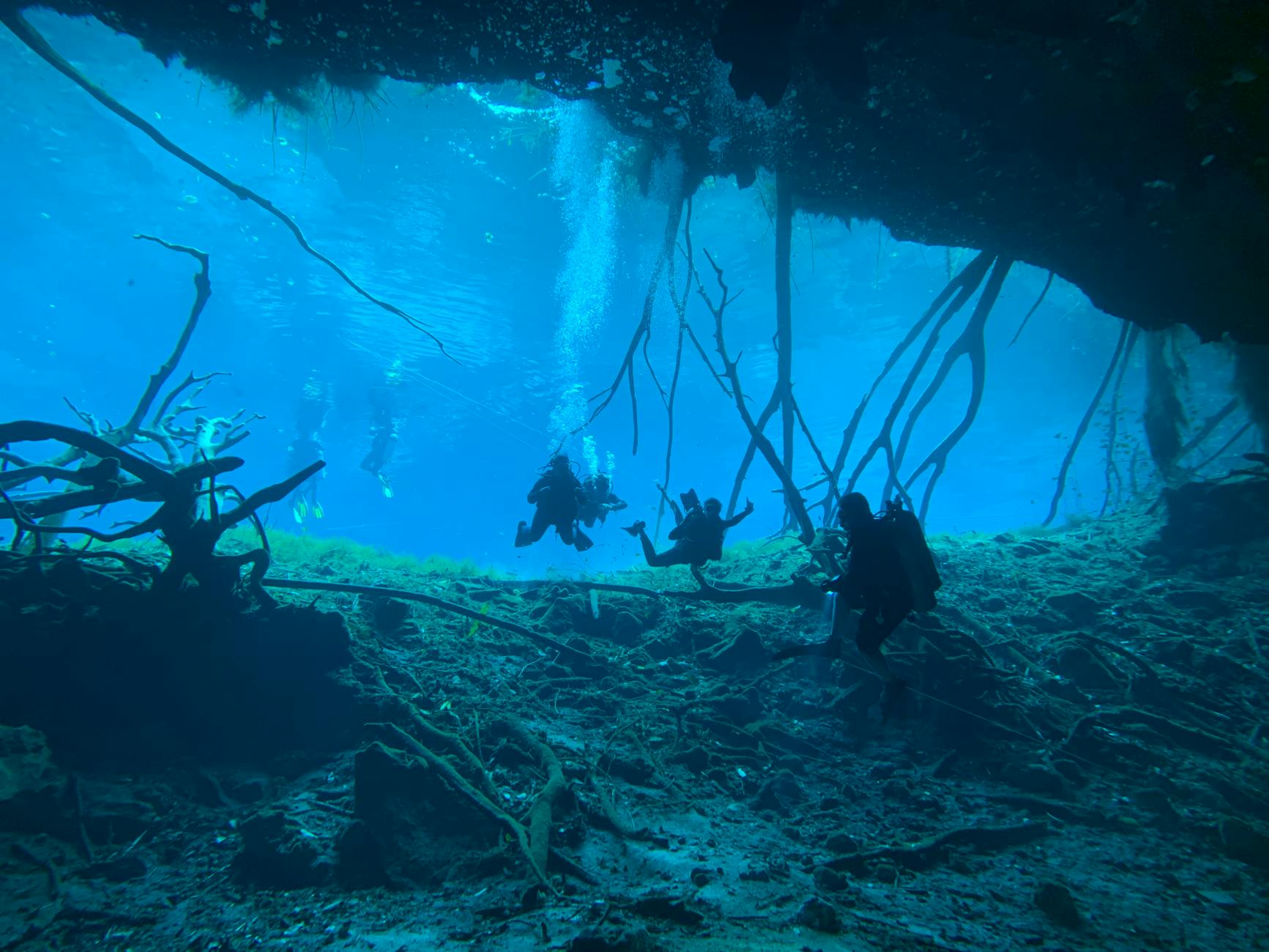
The geography of the Vientiane karst region presents unique obstacles for search and recovery teams. Narrow passages, known as ‘sumps,’ require divers to remove their oxygen tanks to squeeze through tight fissures. Furthermore, the water is saturated with silt, reducing visibility to less than ten centimetres in many sections. Divers must rely entirely on guide ropes and tactile navigation to move between air pockets.
To combat these conditions, teams are deploying specialized rebreather technology that allows for longer dive times. These units recycle exhaled air, which prevents bubbles from dislodging loose rocks from the cave ceiling. Additionally, engineers have installed high-pressure pumps at strategic intervals to lower water levels in the most restrictive bottlenecks. These technical measures are essential for the safe transport of non-divers through submerged sections.
“The margin for error in these underwater passages is non-existent,” stated a lead coordinator from the international response team. “Every movement must be calculated to prevent panic and ensure the safety of both the diver and the survivor.”
How are international teams supporting the effort?
The rescue mission has evolved into a global collaborative effort involving experts from Thailand, Australia, and the United Kingdom. These specialists bring experience from previous subterranean disasters to manage the logistical complexity of the site. They have established a forward command post inside the cave’s first dry chamber to coordinate the divers. This base allows for faster rotation of personnel and immediate medical assessment of extracted individuals.
Standardized protocols for these high-risk environments often follow the guidelines set by the International Civil Defence Organisation to ensure diver safety and victim stabilization. These frameworks help manage the communication gap between local volunteers and foreign technical divers. Meanwhile, the Lao military is providing heavy machinery to clear debris from the access roads leading to the cave site. This support ensures that medical transport vehicles can reach the area despite the muddy terrain.
What medical care do the survivors require?
The first survivor reached the surface showing signs of severe exhaustion and moderate hypothermia. Medical teams immediately moved him to a field hospital for stabilization and hydration therapy. Long-term entrapment in damp, dark environments poses significant health risks, including trench foot and respiratory infections. Doctors are also monitoring for signs of ‘cave disease,’ a fungal infection caused by inhaling spores found in bat guano.
Psychological support is another critical component of the recovery phase. The survivors have spent over a week in total darkness, which can lead to disorientation and acute stress disorders. Specialists are on-site to provide immediate counseling as each person exits the cave. This holistic approach ensures that survivors receive both physical and mental health interventions during the transition back to their community.
What are the implications for regional disaster response?
This ongoing event highlights the increasing volatility of seasonal weather patterns in Southeast Asia. As monsoon cycles become less predictable, the risk of flash flooding in popular cave systems continues to rise. This rescue mission serves as a catalyst for improving regional disaster response frameworks. Governments are now looking to invest in better early-warning systems for rural areas prone to geological hazards.
Moreover, the success of the first extraction demonstrates the effectiveness of international cooperation in crisis management. The shared data and resources have allowed the team to overcome obstacles that a single nation might find insurmountable. As the mission continues for the remaining four villagers, the lessons learned here will likely inform future subterranean rescue training worldwide. The focus now shifts to the next window of clear weather to complete the extraction before the next storm system arrives.
The safe return of the first villager provides the necessary momentum for the dive teams to continue their high-risk work. With four lives still at stake, the coordination between local knowledge and international expertise remains the most vital tool in this race against nature. Families waiting at the cave entrance maintain a hopeful vigil as the Laos cave rescue operations enter their most critical phase yet.


