
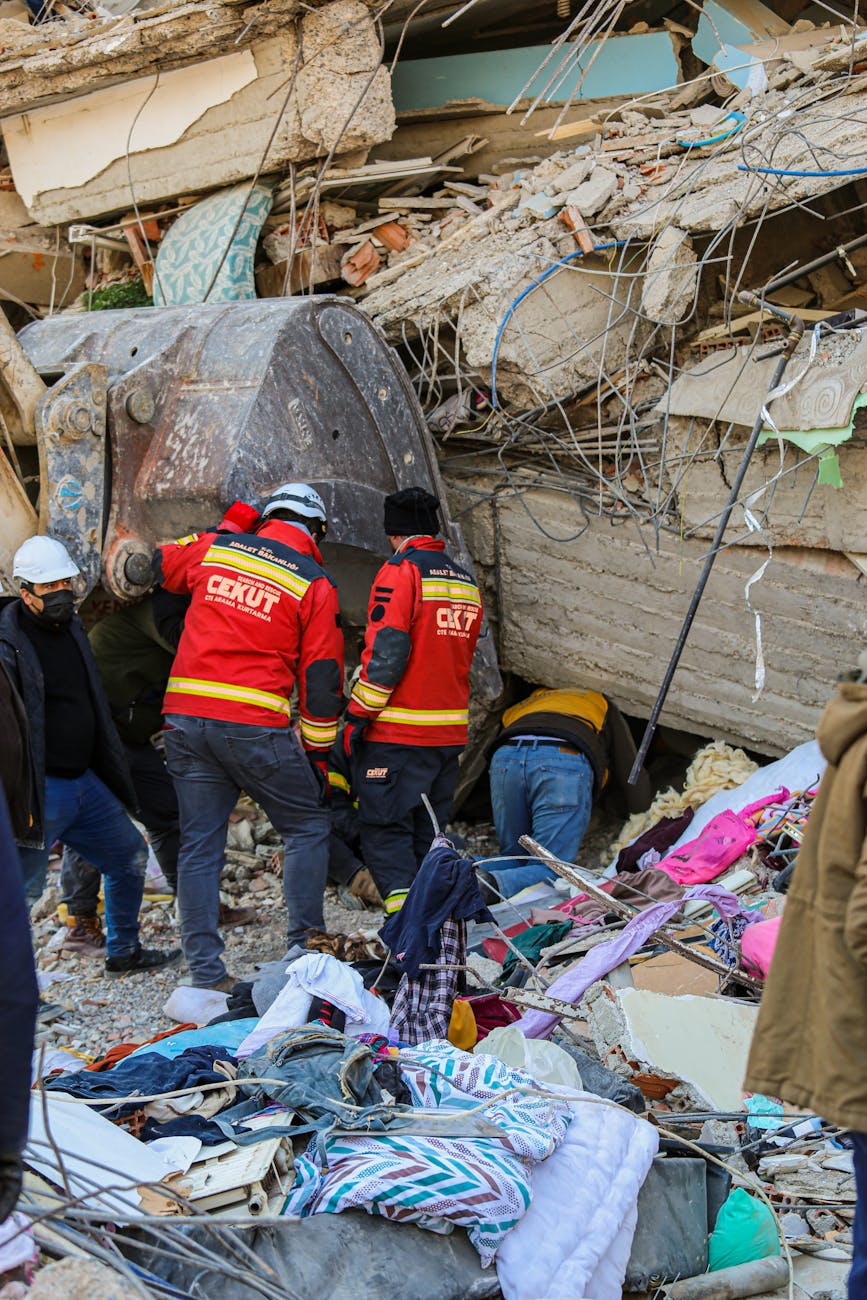
Early Sunday morning, a nine-storey unfinished residential building collapsed in a busy development zone near Manila, Philippines, leaving 19 construction workers trapped beneath layers of concrete and twisted steel. Emergency responders from the Bureau of Fire Protection (BFP) and local disaster management units arrived at the site shortly after 4:00 AM to initiate search and rescue efforts. This Manila building collapse has sent shockwaves through the regional construction industry, highlighting urgent concerns regarding structural integrity and regulatory oversight during a period of rapid urban expansion. Readers will learn about the current status of the rescue mission, the suspected causes of the structural failure, and the broader implications for Philippine infrastructure safety.
- Rescue teams are currently searching for 19 missing labourers trapped in the debris of an unfinished nine-storey structure.
- The incident occurred during the early hours of Sunday morning, a time when many workers were resting on-site.
- Preliminary investigations focus on potential soil instability and the quality of construction materials used in the project.
How are rescue teams responding to the disaster?
Specialized search and rescue teams are currently employing acoustic sensors and thermal imaging cameras to detect signs of life beneath the rubble. Heavy machinery, including excavators and hydraulic cutters, is being used carefully to remove large slabs of concrete without causing further shifts in the debris pile. K-9 units from the metropolitan police have also been deployed to assist in locating the scent of the 19 missing individuals.
Local authorities have established a command centre near the site to coordinate the efforts of various government agencies. Medical teams are on standby with ambulances and mobile surgical units to provide immediate care to any survivors pulled from the wreckage. The narrow access roads leading to the construction site have been cleared of civilian traffic to ensure that emergency vehicles can move freely between the disaster zone and nearby hospitals.
The National Disaster Risk Reduction and Management Council (NDRRMC) has taken over the primary coordination of the site, providing regular updates to the families of the missing workers. Despite the challenging conditions and the threat of intermittent rain, rescuers have vowed to continue the operation until every worker is accounted for. The complexity of the collapse, characterized by a “pancake” failure where floors stack upon one another, makes the extraction process exceptionally dangerous for the responders themselves.
What factors contributed to the structural failure?
While the official investigation is in its early stages, structural engineers point to several possible factors that may have caused the collapse. The region has experienced heavy monsoon rains over the past week, which likely saturated the ground and weakened the building’s foundation. Experts suggest that soil liquefaction or erosion could have led to an uneven distribution of weight, causing the central support columns to buckle under the load.
Furthermore, the building was an unfinished project that had recently undergone a change in contractors. This transition period often introduces risks related to the continuity of engineering standards and the oversight of material quality. Initial reports from site inspectors suggest that the diameter of the steel rebar found in the wreckage may not have met the specifications required for a nine-storey structure. This discrepancy raises questions about the procurement processes used by the developer during the construction phase.
“A collapse of this magnitude in a modern construction project is rare and usually indicates a systemic failure in either design or material compliance,” stated Dr. Ricardo Mendoza, a lead structural consultant in Manila. “We must look at the entire lifecycle of this project to understand where the safety chain was broken.”
What are the long-term implications for the Philippine construction industry?
The Manila building collapse is expected to trigger a nationwide audit of all high-rise projects currently under construction. The Department of Public Works and Highways (DPWH) has already announced plans to tighten the enforcement of the National Building Code. Developers may soon face more frequent inspections and stricter penalties for failing to adhere to safety protocols. This shift aims to restore public confidence in the safety of the country’s booming real estate market.
For the insurance industry, this event likely means a significant increase in premiums for construction-related risks. Insurers will probably demand more rigorous third-party certifications of structural plans and material testing before providing coverage for new developments. This added layer of scrutiny could slow down the pace of new projects but is seen as a necessary step to prevent future tragedies. Labour unions are also demanding better on-site housing for workers, arguing that sleeping in unfinished structures puts them at unnecessary risk.
As the rescue mission continues, the focus remains on the 19 individuals still trapped. The government has promised a transparent investigation to hold the responsible parties accountable, whether the failure was due to negligence, corruption, or environmental factors. This incident serves as a grim reminder that as cities grow taller and more densely populated, the commitment to engineering excellence and worker safety must never be compromised. Moving forward, the industry must prioritize the implementation of real-time structural monitoring systems to detect early signs of stress in large-scale developments.


