
As the digital media landscape continues to evolve, more Canadians are looking for ways to share their unique voices, leading to a surge in searches for how to start a podcast. Whether driven by a passion for niche hobbies or a desire to build a professional brand, creators are leveraging affordable hardware and user-friendly software to launch episodic series across platforms like Spotify and Apple Podcasts. This shift from traditional broadcast radio to on-demand, listener-controlled content has democratised the airwaves, allowing anyone with a microphone and an internet connection to become a broadcaster. Tech expert Marc Saltzman notes that the medium’s popularity stems from its flexibility, as listeners can stream content whenever they choose, pausing and rewinding at their convenience.
The Rising Popularity of On-Demand Audio
The podcasting industry has seen exponential growth over the last decade, transitioning from a niche hobby to a mainstream media powerhouse. Unlike traditional radio, which is bound by geographic signals and strict programming schedules, podcasts offer a global reach and a “free soapbox” for creators. Data suggests that the low barrier to entry and the ability to consume content while multitasking—such as commuting or exercising—have made it a preferred medium for younger demographics.
For many, the appeal lies in the lack of gatekeepers. Aspiring hosts no longer need the approval of a radio station’s program director to reach an audience. With the right strategy and a small investment in technology, an individual can produce content that rivals professional broadcasts in quality and reach.
Defining Your Podcast Niche and Format
The first step in the journey of how to start a podcast involves careful ideation and format selection. While some successful shows, like the legendary Seinfeld, are famously about “nothing,” most new creators find more success by narrowing their focus to a specific passion or area of expertise. Identifying a target audience early on helps in tailoring the content to meet specific needs or interests, whether the topic is technology, politics, or local sports.
“Don’t be discouraged if there are existing podcasts with the exact same topic, as it’s likely to be the case,” says Marc Saltzman. “Consistency is key.”
Prospective podcasters must also decide on their format. This includes choosing between a solo host model, a co-hosted dynamic, or an interview-heavy structure featuring guest experts. Additionally, creators must determine their frequency—ranging from daily five-minute snippets to weekly hour-long deep dives—and decide if they will include a video component to capture audiences on platforms like YouTube.
Essential Hardware and Software for Beginners
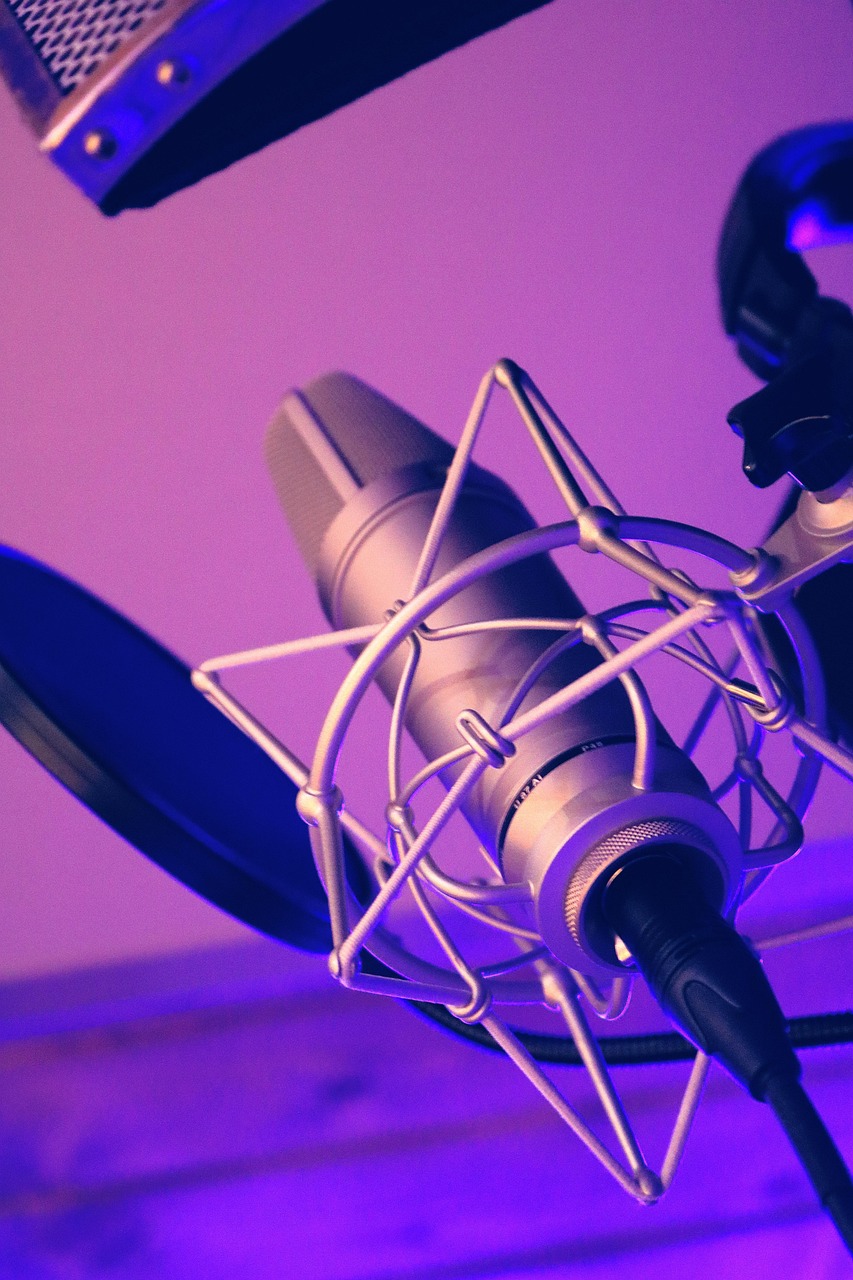
One of the most significant hurdles for beginners is the perceived cost of equipment. However, a professional-sounding setup can be established for as little as $50. Experts emphasize that while you should never use a laptop’s built-in microphone, a high-quality USB microphone can be purchased for roughly $40. This simple upgrade significantly improves audio clarity and helps eliminate the tinny sound associated with internal mics.
Acoustics play a vital role in production quality. You do not necessarily need a soundproof studio; recording in a small room with “soft surfaces” like carpets, curtains, or even inside a closet can effectively absorb echoes. Using headphones during recording is another critical tip, as it prevents “audio bleed”—where the microphone picks up sound from speakers—and helps the host catch “plosives,” those sharp popping sounds caused by words starting with the letter ‘P’.
Recording and Editing Tools
When it comes to software, many powerful tools are available for free. Audacity is a popular open-source choice for PC users, while Mac enthusiasts often gravitate toward GarageBand. For remote interviews, platforms like Zoom offer a free way to record audio chats, though specialized tools like Riverside.fm or SquadCast provide higher-fidelity recordings by capturing audio locally on both ends of the conversation.
Artificial Intelligence is also making its mark on the industry. New AI-driven tools like Adobe Podcast or Descript can automatically strip out background noise, traffic sounds, and even verbal fillers like “ums” and “uhs.” These technologies allow creators to save hours in the editing suite, focusing more on content creation than technical troubleshooting.
Understanding Podcast Hosting and RSS Distribution
A common point of confusion for new creators is how their audio actually reaches listeners. Podcasts are not uploaded directly to Spotify or Apple Podcasts. Instead, creators must use a podcast hosting platform, such as RSS.com, Buzzsprout, or Spotify for Creators. These services store the large audio files and generate an RSS (Really Simple Syndication) feed.
This RSS feed acts as a digital signal that notifies various directories whenever a new episode is published. Once a creator submits their feed URL to major directories—a process that typically only needs to be done once—the platforms will automatically update with new content within minutes of the creator clicking “publish” on their host site. These hosting platforms also provide essential analytics, allowing hosts to track listener numbers and geographic data.
Strategies for Audience Growth and Monetization
Launching a podcast is often described as a marathon rather than a sprint. Industry experts recommend launching with three to five episodes already recorded. This “bingeable” approach allows new listeners to immerse themselves in the content immediately and can help the show climb the algorithm-driven charts faster. Promotion is equally vital; leveraging social media platforms like LinkedIn for business content or being a guest on other established shows can drive significant traffic.
Monetization remains a primary goal for many creators. While it takes time to build an audience large enough to attract major sponsors, there are several avenues for generating revenue:
- Affiliate Marketing: Earning commissions by recommending products to listeners.
- Crowdfunding: Utilizing platforms like Patreon or Buy Me a Coffee for direct listener support.
- Direct Sponsorships: Partnering with brands that align with the podcast’s niche.
- Premium Content: Charging for exclusive interviews or early access to episodes.
The demokratization of media through podcasting offers an unprecedented opportunity for individuals to build communities around their interests. While the technical aspects of RSS feeds and hardware may seem daunting initially, the low cost of entry and the availability of free tools mean that the only real barrier is the creator’s own consistency. By focusing on high-quality audio and a clear niche, new podcasters can turn a vague idea into a professional digital presence that resonates with listeners globally.


