
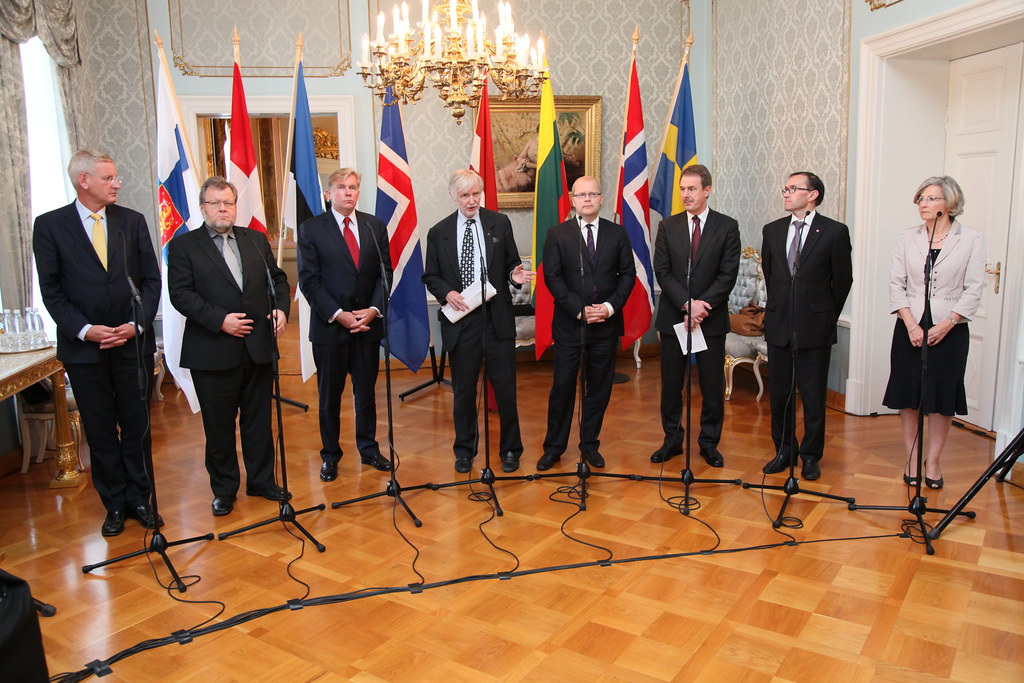
In mid-2026, the Taliban-led administration in Kabul and the Russian Federation formalized a comprehensive Memorandum of Understanding (MoU) to expand bilateral trade and security cooperation. This agreement, signed during a high-level summit in Moscow, aims to revitalize Afghanistan’s stagnant economy through energy imports and infrastructure investment. However, international observers question whether this partnership will serve the long-term national interests of the Afghan people or merely entrench existing political isolation. In this article, you will learn about the specific terms of the Taliban-Russia diplomatic relations 2026 and the potential impact on regional stability.
- The MoU prioritizes the export of Russian petroleum and wheat to Afghanistan in exchange for mining rights.
- Security cooperation focuses on countering regional extremist groups that threaten both Moscow and Kabul.
- Analysts warn that heavy reliance on a single non-traditional partner may limit Afghanistan’s future diplomatic flexibility.
How does the 2026 MoU change Afghanistan’s economic landscape?
The core of the agreement focuses on the immediate delivery of essential commodities. Russia has committed to supplying millions of tonnes of gasoline, diesel, and wheat at discounted rates to help stabilize Afghan market prices. This move provides a temporary lifeline to a population still grappling with high inflation and restricted access to global banking systems.
In exchange, the Taliban administration has granted Russian state-backed firms preferential access to untapped mineral resources. These include significant deposits of lithium and copper located in the Logar and Ghazni provinces. Consequently, the deal creates a resource-for-energy swap that bypasses Western-led financial sanctions.
Furthermore, the infrastructure component of the MoU outlines the rehabilitation of Soviet-era hydroelectric plants. While these projects could improve domestic power generation, critics argue that the lack of transparent tendering processes could lead to mismanagement. The reliance on Russian technical expertise also creates a long-term dependency on foreign parts and maintenance.
What are the security implications for the Central Asian region?
Beyond economics, the 2026 agreement establishes a framework for intelligence sharing. Both parties share a mutual interest in suppressing the growth of the Islamic State-Khorasan (IS-K), which has launched attacks within Afghanistan and threatened Russian interests. By coordinating border security, Moscow hopes to create a buffer zone against regional instability.
However, this security alignment remains fragile due to differing long-term goals. While Russia seeks a stable southern flank, the Taliban administration prioritizes internal consolidation and international legitimacy. This partnership may complicate relations with other regional powers, such as Tajikistan and Uzbekistan, who remain wary of Kabul’s domestic policies.
“The MoU represents a pragmatic shift for both nations, yet it lacks the institutional safeguards necessary to protect Afghanistan’s sovereignty over its natural resources,” states a regional analyst from the Central Asia Institute.
Why are experts concerned about Afghanistan’s long-term interests?
Economic data suggests that while the MoU provides immediate relief, it does little to address the structural issues of the Afghan economy. According to reports from the United Nations Assistance Mission in Afghanistan, sustainable growth requires broad-based international recognition and the restoration of a functional central banking system. The Russia deal, by contrast, operates within a narrow, transactional framework.
Moreover, the focus on extractive industries often leads to the “dutch disease,” where a country’s currency appreciation makes other sectors less competitive. If Afghanistan focuses solely on mining exports to Russia, its agricultural and manufacturing sectors may continue to atrophy. This imbalance could hinder the development of a diversified economy capable of supporting a growing population.
Additionally, the political cost of the MoU is significant. By aligning closely with Moscow, the Taliban may further alienate Western donors who provide essential humanitarian aid. This polarization risks turning Afghanistan into a theatre for great-power competition once again, potentially stalling progress on human rights and inclusive governance.
What does this mean for the future of Afghan trade?
For Afghan businesses, the MoU offers a predictable supply of fuel, which is critical for transport and heating. This stability may encourage small-scale domestic investment in the short term. However, the lack of integration into the global SWIFT network remains a major hurdle for larger enterprises seeking to export goods beyond the region.
The agreement also sets a precedent for other nations, such as China and Iran, to pursue similar bilateral arrangements. This “piecemeal” approach to diplomacy allows the Taliban to maintain control without implementing the reforms demanded by the international community. Consequently, the prospect of a unified global approach to Afghanistan continues to diminish.
Ultimately, the success of the 2026 MoU depends on whether the promised investments materialize into tangible benefits for the average citizen. If the revenue from mining stays within elite circles, the agreement will fail to improve the humanitarian situation. Monitoring the implementation of these projects will be crucial for assessing their true impact on the nation’s welfare.
As the regional dynamic shifts, Afghanistan finds itself at a crossroads between immediate survival and sustainable development. The 2026 agreement provides a necessary buffer against total collapse, but it does not replace the need for a comprehensive national strategy. Stakeholders must remain vigilant to ensure that the country’s wealth is used to build a resilient future rather than serving short-term political gains.


