
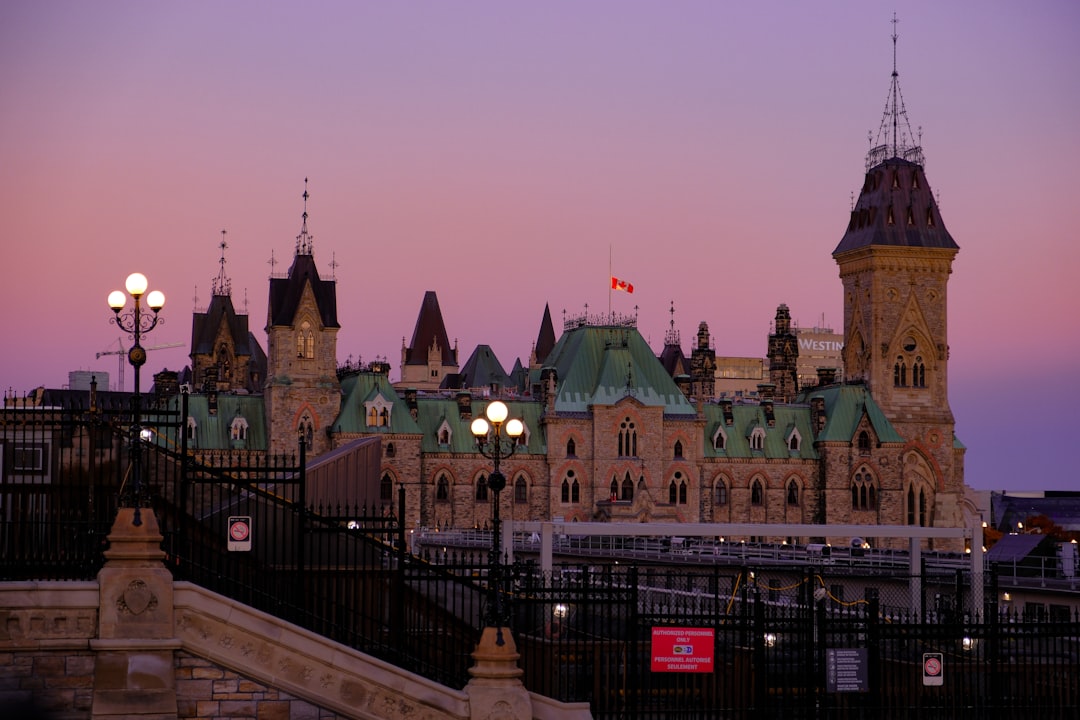
OTTAWA — Prime Minister Mark Carney’s government faces a precarious legislative path this fall as the anticipated resignations of Liberal MPs Jonathan Wilkinson and Nathaniel Erskine-Smith threaten to push the Carney government majority to the razor-thin threshold of 172 seats. This sudden shift in parliamentary math arrives at a volatile moment, as the federal government prepares to designate a new Alberta oil pipeline as being in the “national interest,” a move that risks alienating environmentalist stalwarts like former cabinet minister Steven Guilbeault. With the governing Liberals on the verge of losing their numerical advantage, the internal friction between the party’s progressive wing and its resource-development agenda has placed the future of the current administration under intense scrutiny.
A Tenuous Grip on Parliamentary Power
The transition from a minority to a majority government was initially seen as a stabilizing force for Mark Carney’s leadership. However, the impending departure of Wilkinson and Erskine-Smith highlights the fragility of a majority held by the narrowest of margins. The loss of these two seats will bring the Liberal caucus exactly to the 172-seat mark required to maintain control of the House of Commons without relying on opposition support.
This numerical reality is further complicated by the diverse ideological spectrum currently housed within the Liberal tent. Recent floor-crossings, such as those by Marilyn Gladu and Lori Idlout, have expanded the party’s reach but also increased the potential for internal policy clashes. Maintaining unity in such a “big tent” environment requires constant negotiation and a delicate balancing of regional and ideological interests.
“It may seem counterintuitive, but in fact, attaining majority position with that small an advantage was actually more perilous in some respects than the minority,” says Marci Surkes, chief strategy officer at Compass Rose and former senior advisor in the Prime Minister’s Office.
The Alberta Pipeline and the National Interest
At the heart of the current caucus tension is a looming decision regarding energy infrastructure. The Carney government is currently negotiating a memorandum of understanding with Alberta Premier Danielle Smith, which includes a pivotal commitment to expedite a pipeline to the West Coast. Federal officials are expected to formally declare the project in the “national interest” later this fall, a move intended to streamline regulatory hurdles and boost economic ties with the West.
While this strategy aims to foster national unity and economic growth, it serves as a flashpoint for the party’s environmental advocates. Steven Guilbeault, who has transitioned into a self-described “watchdog” role within the caucus, has remained non-committal about his future in the party. Sources suggest that the pipeline decision could be the deciding factor in whether Guilbeault and other progressive MPs choose to remain in the Liberal ranks or exit, potentially collapsing the government’s majority.
Expert Perspectives on Caucus Management
Political analysts suggest that the next few weeks will require “vigorous” caucus management to prevent a total fracture. Marci Surkes notes that the government has signaled a clear intent to expedite a controversial agenda, which makes “caucus flare-ups” almost inevitable. She argues that the Prime Minister’s Office must treat internal diplomacy with the same level of urgency as their external negotiations with provincial leaders.
Conversely, some strategists view the current situation with more optimism. Carlene Variyan, a partner at Summa Strategies, suggests that the Liberal party’s ability to attract diverse voices should be viewed as a strength. She points to recent byelection successes in progressive ridings as evidence that the Canadian electorate supports the Carney government’s balanced approach to resource development and environmental protection.
“I kind of reject the premise that a single caucus member can’t afford to be lost due to the slim majority,” Variyan stated, noting that the government functioned effectively during its first year as a minority. This perspective suggests that while the numbers are tight, the government possesses the institutional experience to navigate a fluctuating seat count.
Strategic Implications for the Liberal Agenda
The immediate challenge for the Carney administration lies in the timing of the upcoming resignations. If Wilkinson and Erskine-Smith depart before the pipeline announcement, the government will have no room for further dissent. Any additional resignation or a single “nay” vote on a matter of confidence could trigger a snap election or force the government back into a reliance on opposition parties like the NDP or the Bloc Québécois.
Furthermore, the “national interest” designation for the pipeline is expected to trigger significant pushback in British Columbia and among Indigenous communities along the proposed route. Progressive Liberal MPs representing these regions may find themselves caught between party loyalty and the demands of their constituents. The government’s ability to offer concessions or alternative environmental protections will be critical in keeping these members within the fold.
Navigating the Path Forward
As the fall legislative session intensifies, the Prime Minister’s Office is reportedly working on contingency plans. These include efforts to keep Guilbeault engaged in the decision-making process and ensuring that all caucus members feel their voices are heard regarding the major projects reform. The goal is to present a united front that demonstrates the Liberal party can manage both the economy and the environment without sacrificing its legislative mandate.
The coming weeks will determine whether the Carney government can successfully bridge the gap between its commitments to Alberta and its promises to environmentalists. For Canadians, the outcome of this internal struggle will dictate the pace of energy development and the stability of the federal government heading into the new year. Ensuring that the legislative agenda remains on track while respecting the diverse views within the caucus is now the primary hurdle for the Prime Minister.


