
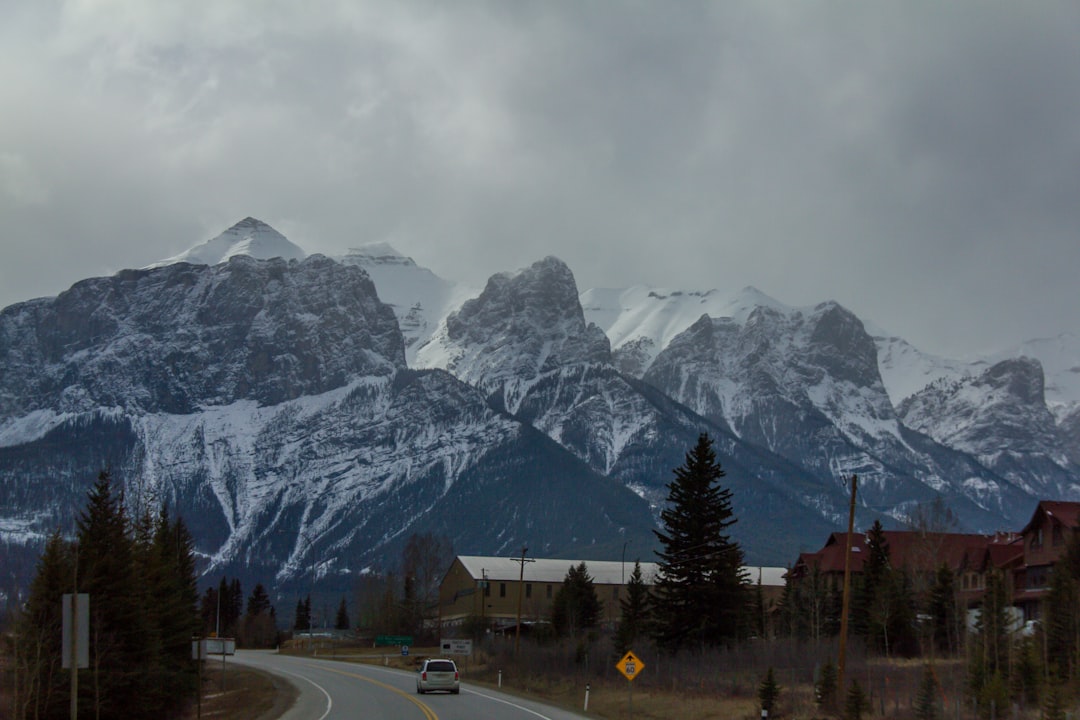
In June 2026, two Calgary hikers documented a rare close-range encounter with a grizzly sow and her cubs along a roadside in Kananaskis Country, Alberta. This footage, which quickly gained traction across social media, highlights the increasing frequency of Kananaskis grizzly bear encounters as both wildlife populations and human trail usage hit record highs in the Canadian Rockies. This article explores the current state of human-wildlife co-existence in Alberta and provides essential safety updates for the 2026 hiking season.
“It was a powerful reminder of whose home we are entering when we step onto these trails.”
- Wildlife officials report a 12% increase in grizzly sightings near popular Kananaskis trailheads in early 2026.
- New provincial monitoring data suggests higher bear density in the Bow Valley corridor compared to the previous decade.
- Adherence to bear safety protocols remains the most effective way to prevent dangerous interactions.
Why are grizzly bear encounters increasing in Kananaskis?
The recent encounter involving Calgary hikers occurred during a period of peak seasonal activity. As spring snow melts at higher elevations, grizzly bears descend to valley bottoms to forage on nutrient-rich grasses and berries found near roadsides and lower-elevation trails. This geographical overlap creates a high-probability zone for human-wildlife interactions, particularly in the multi-use landscape of Kananaskis Country.
Demographic shifts in Alberta also contribute to this trend. With Calgary’s population expanding rapidly, the pressure on provincial parks has reached unprecedented levels. More people on the trails increases the likelihood of startling a bear, especially when hikers travel quietly or in small groups. Biologists note that the grizzly population in the region has remained stable or slightly increased, thanks to successful conservation efforts over the last 20 years.
How did the recent Calgary hiker encounter unfold?
The hikers were travelling to a trailhead in the Highwood Pass area when they spotted the grizzly family. They remained inside their vehicle, which wildlife experts cite as the correct protocol for roadside sightings. The footage shows a mother bear teaching her two cubs to forage, demonstrating natural behaviour that is often disrupted by aggressive photography or human approach. This specific interaction remained safe because the observers maintained a respectful distance and did not attempt to feed the animals.
Alberta Parks officials emphasize that while these images are “really cool,” they represent a serious responsibility for park visitors. Maintaining a distance of at least 100 metres from bears is not just a suggestion; it is a critical component of park regulations designed to keep both humans and bears safe. Habituation—where bears lose their natural fear of humans—remains the leading cause of bear relocations and euthanization in the province.
What does the 2026 wildlife data reveal?
Current wildlife management reports indicate that the 2026 season has seen a higher-than-average number of trail closures due to bear activity. Environmental sensors and GPS collar data show that grizzlies are utilizing corridors closer to the Town of Canmore and the Kananaskis Village than in previous years. This shift requires hikers to remain hyper-vigilant even on well-trafficked routes that were historically considered low-risk.
For those planning excursions, consulting the official Alberta Parks Bear Smart guidelines provides the most current framework for safe recreation. These guidelines recommend carrying bear spray in an accessible holster, making plenty of noise to avoid surprise encounters, and looking for fresh signs of bear activity such as scat, tracks, or overturned logs. In 2026, the use of bear spray has become a mandatory recommendation for all backcountry users in Kananaskis.
How can hikers mitigate risk during the peak season?
Preparation begins long before reaching the trailhead. Hikers should check current trail reports and advisories to see if any specific areas are under warning. Travelling in groups of four or more significantly reduces the risk of a predatory or defensive encounter. Noise-making, such as talking loudly or singing, serves as an early warning system for bears, allowing them to move away before a human arrives.
If you encounter a bear, remain calm and do not run. Running can trigger a predatory chase instinct. Instead, back away slowly while keeping your eyes on the bear but avoiding direct eye contact, which can be perceived as a challenge. Prepare your bear spray by removing the safety clip if the bear continues to show interest or approaches. These mechanical skills should be practiced until they become second nature for anyone frequenting the Alberta backcountry.
What are the implications for the future of Kananaskis tourism?
The surge in sightings may lead to more restrictive access in certain high-activity zones. Parks Alberta is currently evaluating a “human-use limit” pilot project for specific valleys to ensure that wildlife corridors remain functional. While this may mean fewer permits for hikers, it ensures the long-term survival of the grizzly population and the safety of the public. Balancing the economic benefits of tourism with the ecological needs of apex predators remains the primary challenge for park planners moving toward 2027.
As the 2026 season progresses, the cooperation of the public is essential. By treating wildlife with respect and following established safety protocols, hikers can continue to enjoy the breathtaking beauty of the Rockies without compromising the safety of the bears. Staying informed and equipped is the hallmark of a responsible outdoors enthusiast in the modern era of Alberta wilderness recreation.


