
The British Columbia Provincial Health Office confirmed today that a resident on Vancouver Island has tested presumptive positive for the Andes hantavirus. This individual was one of four high-risk travellers recently aboard the expedition cruise ship M.V. Hondius. Health authorities have placed the patient in hospital isolation to prevent potential transmission. In this report, you will learn about the current 2026 Andes hantavirus B.C. health alert, the risks associated with this specific viral strain, and the provincial response to contain the spread.
Health officials acted quickly after the individual reported symptoms following a period of self-isolation. This case represents a significant concern for provincial epidemiologists. Unlike North American hantaviruses, the Andes strain has shown the ability to spread between humans. Consequently, the provincial government has initiated strict contact tracing protocols for all passengers on the vessel.
Key Takeaways:
- One individual is in isolation on Vancouver Island following a presumptive positive test for Andes hantavirus.
- The exposure occurred aboard the M.V. Hondius, a vessel known for polar expeditions.
- Andes hantavirus is unique because it allows for person-to-person transmission.
- Public health officials are monitoring three other high-risk individuals who remain in self-isolation.
What is the current status of the Vancouver Island hantavirus case?
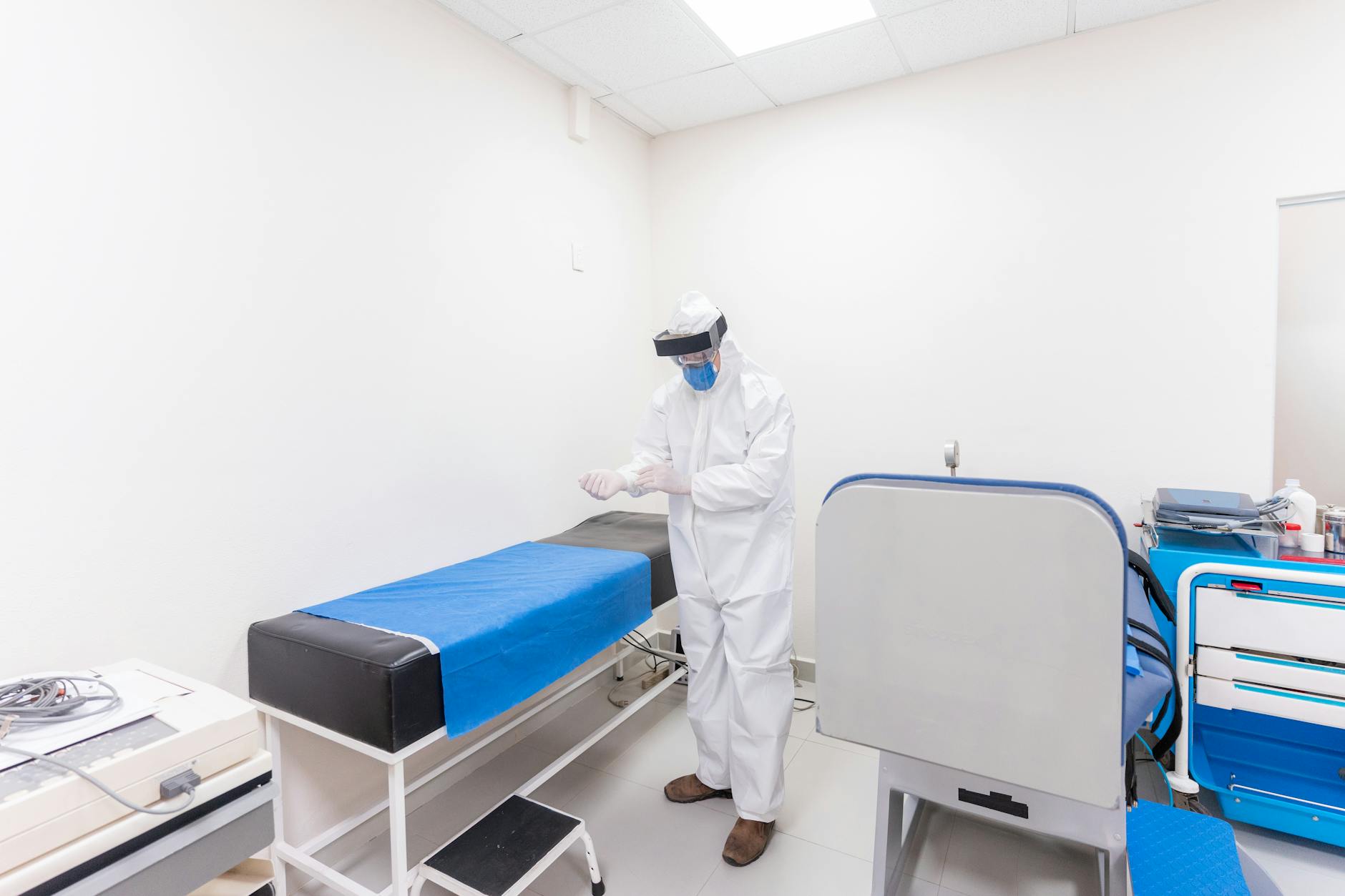
The patient is currently receiving specialized care in a designated isolation ward. Doctors describe the individual’s condition as stable but requiring constant monitoring. This isolation is a precautionary measure to protect the public. Health workers are following enhanced respiratory and contact precautions.
The B.C. Provincial Health Office identified four individuals as high-risk upon their return to Canada. These travellers had spent significant time in regions where the virus is endemic. While three others remain asymptomatic, they must stay in isolation for the full incubation period. This period typically lasts up to six weeks.
Laboratory technicians are currently performing confirmatory testing at the National Microbiology Laboratory. These results will provide a definitive diagnosis within the coming days. Meanwhile, the province is treating the case with the highest level of clinical urgency. This proactive stance aims to eliminate any chance of a community outbreak.
How does Andes hantavirus differ from other strains?
Most hantaviruses found in North America, such as the Sin Nombre virus, spread through rodent droppings. Humans usually contract these viruses by inhaling contaminated dust. However, the Andes hantavirus, native to South America, presents a different challenge. It is the only known hantavirus that can spread directly between people.
This characteristic makes the 2026 Andes hantavirus B.C. health alert particularly noteworthy for medical professionals. Close contact with an infected person can lead to secondary cases. Therefore, the hospital has restricted all visitors to the isolation unit. Staff must wear specialized personal protective equipment at all times.
According to the Public Health Agency of Canada’s hantavirus guidelines, early symptoms often mimic the flu. Patients may experience fever, cough, and severe muscle aches. If the disease progresses, it can lead to Hantavirus Pulmonary Syndrome. This condition causes the lungs to fill with fluid, making breathing extremely difficult.
“Our primary objective is the containment of this rare pathogen while providing the best possible care for the patient. We are working closely with federal partners to ensure all safety protocols are followed strictly.”
What are the implications for expedition cruise travel?
The M.V. Hondius is a popular vessel for travellers seeking remote adventures in South America and Antarctica. This incident highlights the biological risks associated with international expedition travel. Cruise operators may face new health screening requirements for passengers. These measures would aim to identify potential exposures before travellers return to their home communities.
Furthermore, the travel industry must adapt to evolving viral threats in 2026. Enhanced sanitation protocols on ships are now standard procedure. However, managing person-to-person viral spread remains a complex logistical hurdle. The B.C. health office is currently reviewing the ship’s manifest to identify other residents.
Health officials advise any recent travellers on similar routes to monitor their health closely. If symptoms develop, they should contact health services immediately. They must disclose their travel history to ensure proper triage. This transparency helps prevent the accidental exposure of frontline healthcare workers.
How is the B.C. Provincial Health Office responding?
The province has activated its rapid response team for emerging pathogens. This team specializes in managing rare infectious diseases like the Andes strain. They are currently conducting interviews to map the patient’s movements since returning. This data helps identify any potential exposure gaps in the community.
Public health nurses are also providing daily check-ins for the other three high-risk individuals. These people must remain at home and avoid all physical contact with others. The province provides them with necessary supplies to ensure they do not leave their residences. This strict adherence to quarantine is vital for public safety.
Additionally, the health office is coordinating with the British Columbia Centre for Disease Control. They are reviewing the latest epidemiological data from South America. This research helps predict the potential severity of the local case. It also informs the clinical treatment plan for the isolated patient.
British Columbians should remain calm as the risk to the general public remains very low. The current isolation measures are working as intended. Health officials will provide regular updates as new laboratory data becomes available. Residents can stay informed by checking official provincial health bulletins for any changes in the situation.
To stay safe, travellers should always research health advisories for their specific destinations. Practicing good hand hygiene and following local health guidance remains the best defence against viral infections. If you have recently returned from South America and feel unwell, please seek medical advice promptly. Your cooperation ensures that British Columbia remains a safe and healthy environment for everyone.


