
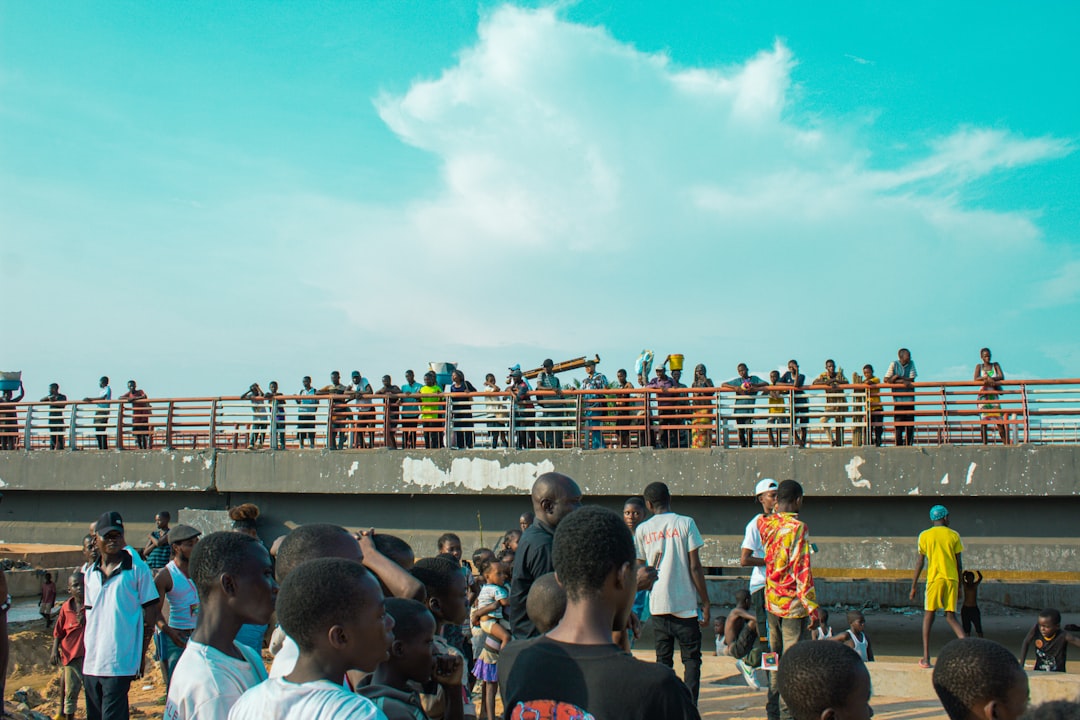
Health officials in the Democratic Republic of the Congo (DRC) confirmed on Tuesday that the death toll from the 17th Ebola outbreak has reached 101. The virus is currently spreading through the eastern provinces, prompting an urgent scale-up of international medical assistance and local containment protocols. Readers will learn about the current status of the Ebola outbreak DR Congo 2026, including the latest mortality figures, vaccination strategies, and regional health implications.
- The official death toll has reached 101 across three eastern provinces.
- Health teams are prioritizing ring vaccination to contain the viral spread.
- Logistical challenges in remote areas continue to hinder rapid response efforts.
This latest surge marks a critical point in the country’s long-standing battle with the virus. The DRC has faced numerous outbreaks since the pathogen was first identified in 1976 near the Ebola River. This historical context is vital for understanding why the current 101 fatalities represent a significant public health challenge in 2026.
How is the DRC managing the current Ebola crisis?
The Ministry of Public Health has deployed specialized rapid response teams to the affected zones. These teams focus on identifying positive cases through rigorous testing and contact tracing. They are also implementing the ring vaccination strategy, which targets people who have come into contact with infected individuals.
Medical personnel are using the Ervebo vaccine, which has proven effective in previous years. However, the virus remains highly contagious through direct contact with infected blood or bodily fluids. This makes the safe burial of victims a top priority for preventing further community transmission.
Local health centres have established isolated treatment units to manage patients. These units provide supportive care, including rehydration and symptom management, which significantly improves survival rates. Early detection remains the most effective tool for reducing the mortality rate during this 2026 surge.
What logistical hurdles hinder the medical response?
Geographical barriers in the eastern DRC create significant obstacles for health workers. Many affected villages are located in dense rainforest regions with limited road access. This isolation delays the delivery of essential medical supplies and personal protective equipment (PPE).
Security concerns in the region also complicate the distribution of vaccines. Health teams must often travel with security escorts to reach high-risk areas safely. These delays allow the virus more time to spread among mobile populations in mining and trade hubs.
Furthermore, maintaining the cold chain for vaccine storage is difficult in areas with unreliable electricity. Solar-powered refrigerators are being deployed, but the sheer volume of the current outbreak taxes existing infrastructure. Health officials are calling for increased international funding to bolster these critical supply lines.
Can new vaccination protocols stop the viral spread?
Data from the National Institute of Biomedical Research indicates that early intervention saves lives. During this outbreak, the interval between symptom onset and hospital admission has decreased. This trend suggests that community awareness campaigns are effectively encouraging residents to seek professional help.
According to the World Health Organization Ebola fact sheet, community engagement is a cornerstone of successful outbreak control. Local leaders are now working alongside medical teams to dispel myths about the disease. This cooperation is essential for ensuring that vaccination teams are welcomed into sensitive areas.
Expert perspectives suggest that the 17th outbreak is being met with more experience than previous years. “We have refined our protocols over decades,” says Dr. Jean-Claude Lukusa, a field epidemiologist. “The challenge in 2026 is not a lack of knowledge, but the speed of deployment in difficult terrain.”
How does this outbreak impact regional health security?
The 101 deaths reported so far have triggered health alerts in neighbouring countries. Uganda, Rwanda, and South Sudan have increased surveillance at border crossings to prevent cross-border transmission. These measures include temperature screenings and the monitoring of travel manifests.
Regional health security depends on the transparency of data sharing between these nations. The African Centres for Disease Control and Prevention (Africa CDC) is coordinating this regional response. They aim to harmonize travel advisories and ensure that diagnostic kits are available in border towns.
For the global community, this outbreak serves as a reminder of the need for pandemic preparedness. Sustained investment in local healthcare systems reduces the risk of local outbreaks becoming international emergencies. The focus remains on stopping the chain of transmission within the DRC’s borders immediately.
As the death toll reaches this grim milestone, the priority remains the protection of vulnerable populations through science-backed interventions. Strengthening the healthcare infrastructure in the eastern provinces will be the only way to prevent future fatalities. Vigilance, rapid testing, and community trust will ultimately determine the duration of this current public health emergency.


