
On Day 85 of the intensifying regional conflict, Pakistan’s Army Chief General Asim Munir arrived in Tehran on Tuesday to bridge “major gaps” in ongoing peace negotiations between the United States and Iran. This high-stakes diplomatic mission comes as both nations struggle to find common ground on maritime security and sanctions relief. Readers will learn about the specific obstacles preventing a ceasefire and how regional intermediaries are attempting to prevent further escalation in the US-Iran peace deal mediation process.
Key Takeaways:
- Pakistan’s military leadership has emerged as the primary mediator between Washington and Tehran.
- Official Iranian statements indicate significant disagreements remain regarding the sequence of sanctions removal.
- The 85-day conflict has reached a stalemate, increasing the urgency for a diplomatic breakthrough.
Why are the Tehran negotiations hitting a standstill?
The Iranian Ministry of Foreign Affairs confirmed today that despite weeks of back-channel communication, substantial hurdles remain. Tehran insists on a full withdrawal of naval forces from the Persian Gulf as a prerequisite for a formal ceasefire. Conversely, Washington demands immediate verification of nuclear facility pauses before any economic relief occurs.
These “major gaps” reflect a deep-seated lack of trust that has only worsened during the three-month conflict. Diplomats suggest that the technical details of the US-Iran peace deal are nearly complete, yet the political will to sign remains elusive. The current impasse threatens to prolong the humanitarian crisis affecting millions in the region.
General Asim Munir’s arrival represents a pivotal shift in the diplomatic landscape. Pakistan maintains a unique position as a strategic partner to both the West and its neighbour, Iran. His meetings with Iranian officials aim to establish a roadmap for de-escalation that satisfies both the Pentagon and the Islamic Revolutionary Guard Corps.
What is the role of regional intermediaries in 2026?
As the conflict enters its second quarter, traditional diplomacy has largely failed. Pakistan is now leveraging its military-to-military ties to find a pragmatic solution where civilian leaders have failed. This approach focuses on immediate border stability rather than long-term ideological shifts.
Security analysts note that Pakistan’s involvement is not merely altruistic. The economic fallout of the war has severely impacted South Asian trade routes and energy prices. By facilitating these talks, Islamabad hopes to secure its own economic borders while preventing a total regional collapse.
“The success of the Munir mission depends on whether Tehran views Pakistan as a neutral courier or a Western-aligned messenger. The margins for error are razor-thin on Day 85.”
Transitioning from military strategy to economic reality, the cost of the war has reached unprecedented levels. Global energy markets have remained volatile since the start of the conflict. Any delay in the peace process directly correlates with rising fuel costs in North America and Europe.
How do international standards affect the peace process?
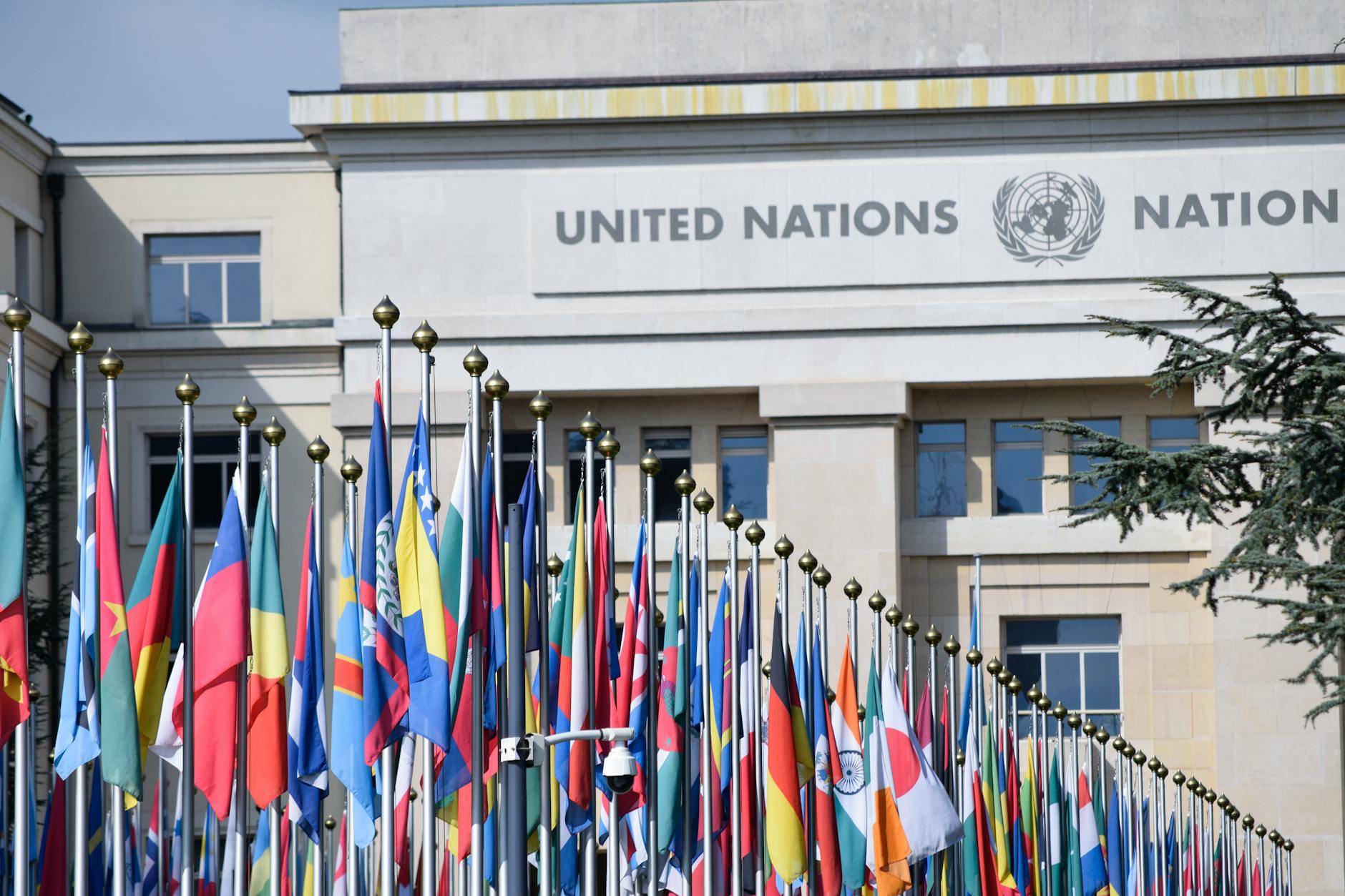
The United Nations has frequently called for a return to established international norms during this crisis. Adherence to the United Nations Security Council resolutions remains the primary framework for any legitimate ceasefire agreement. Without this international backing, any bilateral deal between the US and Iran may lack the necessary enforcement mechanisms.
Data from regional monitoring groups shows a 15% increase in civilian displacement over the last fortnight. This statistic has added immense pressure on the negotiators in Tehran. The humanitarian cost is now outweighing the strategic gains for both combatants, yet neither side wishes to appear weak during the mediation phase.
What are the implications for global security and trade?
If General Munir fails to narrow the gaps, the conflict could expand beyond its current borders. Military analysts warn that a prolonged war of attrition will eventually involve neighbouring states, further disrupting the global supply chain. For Canada and its allies, this means continued inflationary pressure and a shift in defence priorities.
Expert perspectives suggest that the next 48 hours will be decisive. If the Pakistani delegation can secure a “freeze-for-freeze” agreement, a temporary truce could be signed by the end of the week. This would involve a cessation of drone strikes in exchange for limited humanitarian corridors.
The current situation demands a sophisticated understanding of regional power dynamics. While the “major gaps” are significant, the presence of high-level military mediation offers a new avenue for dialogue. Monitoring the outcomes of these Tehran sessions is essential for anyone tracking the stability of the global energy sector and international relations in 2026.
Success in these talks would not only end the 85-day war but also set a precedent for military-led diplomacy in the modern era. Stakeholders must remain prepared for a gradual de-escalation process rather than an overnight resolution. Maintaining pressure on both parties to adhere to international law remains the most viable path toward a sustainable peace in the Middle East.


