
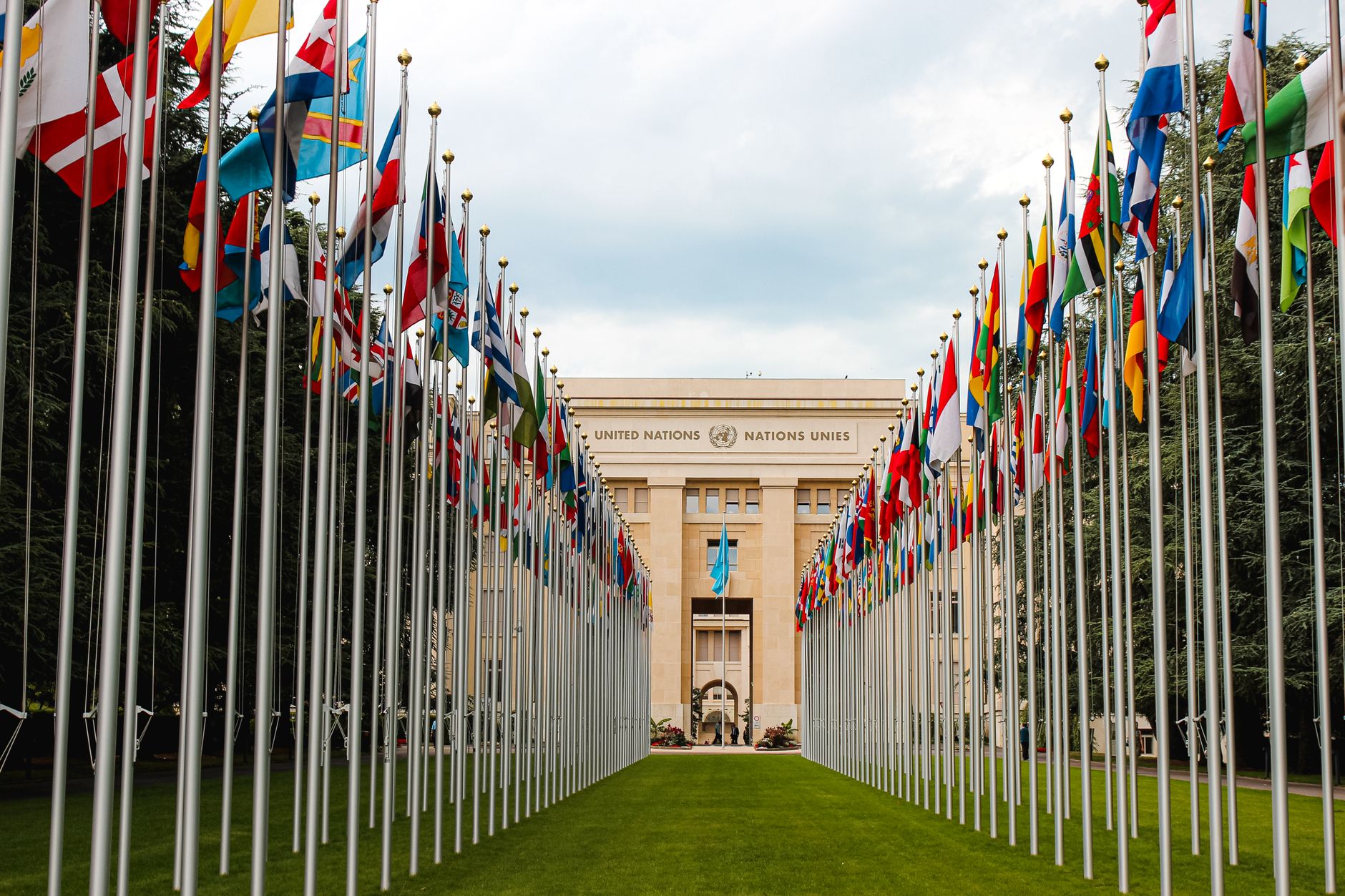
Formal diplomatic sessions between the United States and Iran officially commenced in Geneva this week following the signing of a preliminary memorandum of understanding. The White House confirmed these 2026 Iran nuclear framework negotiations aim to establish a permanent treaty regarding uranium enrichment and economic sanctions. These talks represent the first high-level engagement since the previous diplomatic stalemate in late 2024.
Readers will learn about the specific technical requirements of the new framework, the timeline for sanctions relief, and the verification roles assigned to international inspectors. This development marks a significant shift in Middle Eastern geopolitics and global energy security as the parties seek a verifiable non-proliferation agreement.
Key Takeaways:
- Negotiations have transitioned from preliminary framework discussions to technical implementation planning.
- The White House maintains that the signed memorandum is a non-binding roadmap, not a final treaty.
- International monitors require unfettered access to Iranian enrichment sites to ensure compliance.
What are the core objectives of the Iran nuclear framework negotiations?
The primary goal of the current sessions is to convert the broad memorandum of understanding into a legally binding document. Negotiators are focusing on the specific levels of uranium enrichment permitted for civilian use. Current reports suggest a cap at 3.67 per cent purity for the next decade.
Economic considerations remain a central pillar of the discussions. Iran seeks the immediate removal of banking restrictions that have hampered its oil exports since 2018. Conversely, the United States demands a “snapback” mechanism to re-impose sanctions if any violations occur.
Strategic analysts suggest that regional stability depends on the transparency of these protocols. The 2026 framework seeks to extend the “breakout time” required for Iran to produce weapons-grade material. This technical buffer is essential for maintaining the balance of power in the Persian Gulf.
How does the new memorandum of understanding impact global security?
The signing of the framework deal has already influenced global oil markets and regional alliances. Security experts note that a successful treaty could reduce the risk of a conventional conflict in the region. This path toward de-escalation is supported by several European and Asian trading partners.
However, the White House emphasizes that the memorandum is only a starting point. It does not provide immediate sanctions relief or permanent security guarantees. Instead, it creates a structured environment for long-term verification and monitoring by the International Atomic Energy Agency (IAEA).
Domestic political factors in both Washington and Tehran continue to influence the pace of the talks. Legislators in both nations have expressed skepticism regarding the long-term durability of the proposed terms. Therefore, the negotiators must include robust enforcement clauses to satisfy internal critics.
What verification measures will be implemented under the 2026 deal?
Verification remains the most contentious aspect of the ongoing negotiations in Geneva. The US delegation is insisting on “anywhere, anytime” inspections of nuclear facilities. This includes undeclared sites where research and development may be occurring.
Technical data from 2025 indicated a significant increase in Iran’s stockpile of highly enriched uranium. To address this, the framework requires the decommissioning of advanced centrifuges. These machines must be placed under continuous electronic surveillance by international authorities.
Experts from the Department of Energy have outlined several requirements for the monitoring phase. These include real-time enrichment monitoring and the permanent tracking of nuclear-grade graphite. Such measures ensure that civilian energy programmes cannot be diverted for military purposes.
What does this mean for global energy markets and industry?
The potential reintegration of Iranian oil into the global market could lower energy costs significantly. Analysts predict an additional 1.5 million barrels per day could enter the market by late 2026. This would provide relief to industrial sectors currently facing high fuel prices.
Furthermore, the deal could open new avenues for humanitarian trade and technological exchange. If the negotiations succeed, Iran could gain access to modern civil aviation and medical technologies. This economic carrot serves as a primary incentive for continued Iranian compliance.
Shipping lanes in the Strait of Hormuz may also see increased security and reduced insurance premiums. As tensions ease, the risk of maritime incidents decreases for commercial vessels. This improvement in logistics benefits the entire global supply chain.
The success of these negotiations relies on consistent adherence to the technical benchmarks established in Geneva. As the parties move toward a final agreement, the focus remains on building mutual trust through transparent actions. Stakeholders should monitor upcoming IAEA reports to gauge the progress of these high-stakes diplomatic efforts.


