
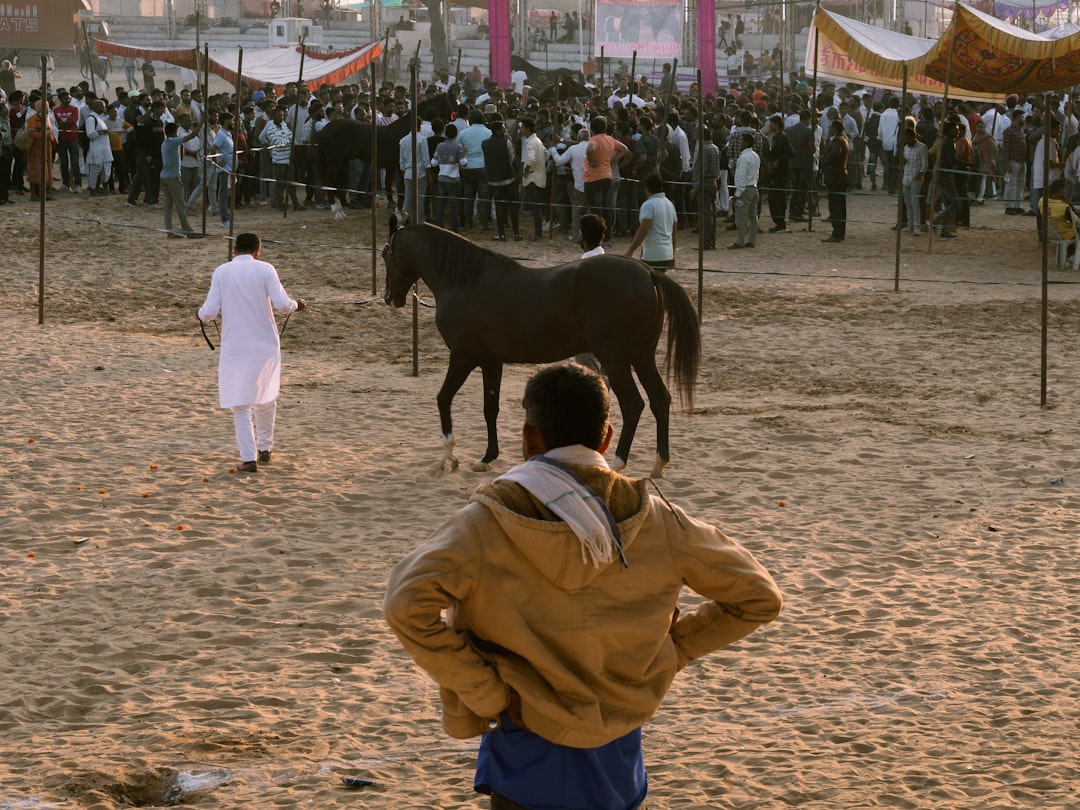
In early 2026, Pakistani women are redefining the landscape of equestrian sports through the ancient discipline of tent-pegging. This shift occurs during national tournaments across the Punjab region. Female riders now compete in what was once a strictly male domain. This movement signals a broader cultural evolution within the country’s sporting community. These athletes demonstrate precision and courage on horseback at high speeds.
Readers will learn about the training, cultural impact, and professional growth of female tent-peggers in Pakistan. This article explores how Pakistani women tent-pegging initiatives are gaining international recognition. We will examine the technical requirements and the social shifts supporting these athletes. The following sections provide a detailed look at this equestrian revolution.
- Female participation in competitive tent-pegging has reached record levels in 2026.
- New specialized training centres are opening to support female equestrian athletes.
- International governing bodies are recognizing Pakistan’s inclusive approach to the sport.
What is the history of tent-pegging in Pakistan?
Tent-pegging, known locally as Neza Bazi, is a traditional cavalry sport. It dates back centuries to the Indian subcontinent and Middle East. Riders gallop at full speed while using a lance to pick up a wooden peg. Historically, this skill prepared soldiers for battle against enemy encampments. In Pakistan, it remains a symbol of rural heritage and chivalry.
For decades, festivals in cities like Faisalabad and Multan featured only men. These events drew thousands of spectators to witness displays of horsemanship. The sport requires intense coordination between the rider and the horse. It also demands a deep understanding of equine psychology and physics. Today, this heritage is being shared with a new generation of women.
How are women entering the professional arena?
The transition into professional competition did not happen overnight. It began with small groups of women practicing in private riding clubs. These pioneers faced initial skepticism from traditionalists. However, their consistent performance at local exhibitions changed public perception. By 2026, several regional sports boards have officially sanctioned female categories.
Training academies now offer dedicated programmes for female riders. These courses cover everything from basic horse care to advanced lance techniques. Instructors emphasize the importance of core strength and balance. Many female athletes come from families with long equestrian histories. Their fathers and brothers often serve as their primary trainers and supporters.
The role of specialized training centres
New facilities in Lahore and Islamabad provide a safe environment for practice. These centres focus on the technical nuances of the sport. Riders must learn to hit a target only a few centimetres wide. They do this while travelling at speeds exceeding 40 kilometres per hour. This level of skill requires years of disciplined practice and dedication.
What challenges do female riders face in 2026?
Despite progress, female tent-peggers still encounter significant obstacles. Access to high-quality horses remains a primary concern for many. Competitive horses require expensive feed, medical care, and specialized training. Many athletes rely on sponsorships or family funding to maintain their animals. Economic factors continue to influence who can participate at the highest levels.
Social norms in some rural areas also present hurdles. While urban centres are more accepting, remote regions may still resist female participation. Athletes often act as ambassadors, engaging with local communities to build trust. They prove that participation does not conflict with cultural or religious values. Their success serves as a powerful example for young girls nationwide.
What is the impact on the equestrian industry?
The surge in female riders has boosted the local equestrian economy. Demand for riding gear tailored for women has increased significantly. Local artisans are now crafting lighter lances and specialized saddles. This growth supports small businesses and traditional craftsmen across the country. Furthermore, the breeding of indigenous horse breeds like the Anmol and Desi has seen a resurgence.
The International Tent Pegging Federation provides the official regulatory framework for these global competitions. Pakistan’s inclusion of women aligns with international efforts to modernize the sport. This alignment opens doors for Pakistani athletes to compete on the world stage. It also attracts international tourists interested in traditional equestrian cultures. The sport is becoming a bridge between Pakistan and the global community.
Data points on participation growth
Recent statistics from provincial sports departments show a 40 percent increase in female registrations. Over 500 women are now actively competing in sanctioned Neza Bazi events. This represents a significant jump from only a handful of riders five years ago. These numbers suggest that the trend is sustainable and growing. The youth demographic shows the most enthusiasm for these developments.
How can aspiring riders join the movement?
Aspiring female riders are encouraged to join recognized equestrian clubs. These organizations provide the necessary infrastructure and mentorship. Safety remains the top priority for all new participants. Proper protective gear and certified coaching are essential for preventing injuries. Many clubs offer scholarships to talented riders from underprivileged backgrounds.
Community support plays a vital role in the success of these athletes. Public attendance at female matches has grown, creating a vibrant atmosphere. This visibility encourages more families to support their daughters’ sporting ambitions. The future of Pakistani tent-pegging looks increasingly inclusive and dynamic. These women are not just playing a sport; they are preserving a legacy. Their presence on the field ensures that Neza Bazi remains relevant in the modern era.


