
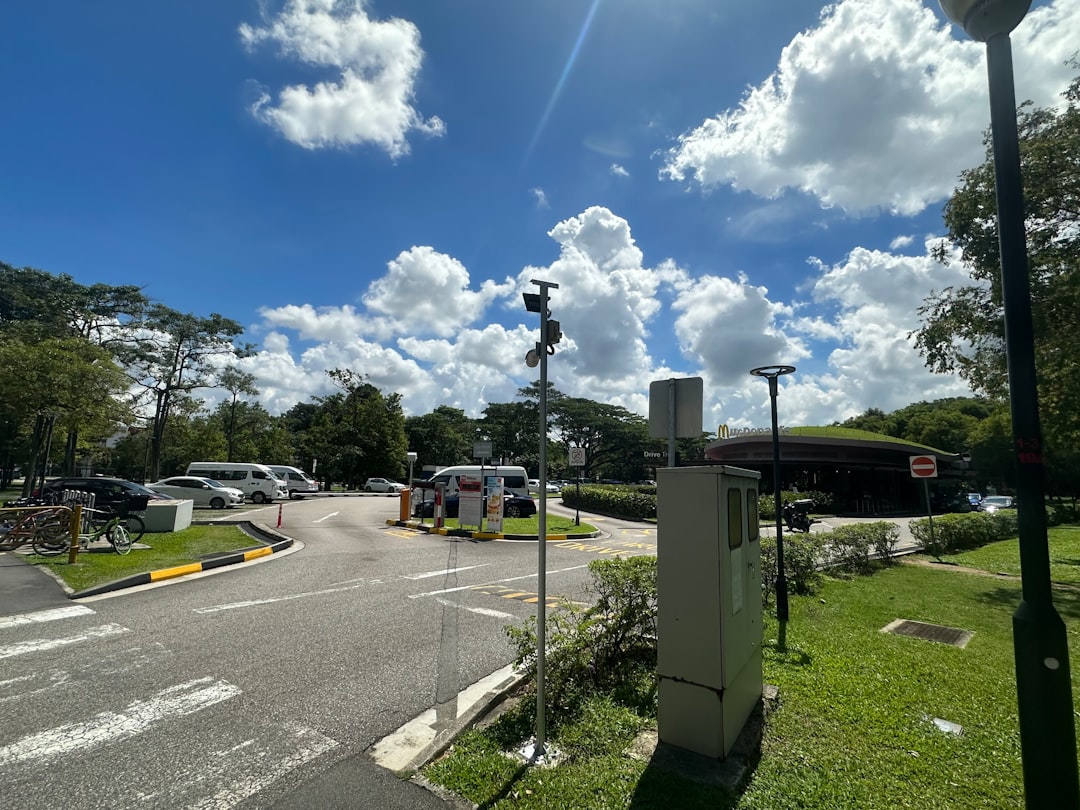
In London, Ontario, a local physician has agreed to a minimum of six months of professional supervision following a highly scrutinized Medical Assistance in Dying (MAID) assessment conducted in a public Tim Hortons parking lot. The case involves a male patient with inflammatory bowel disease and a documented history of mental health struggles, raising significant questions about the procedural rigour and ethical boundaries of end-of-life care in Canada. This regulatory outcome highlights the evolving legal landscape surrounding the MAID assessment standards Ontario medical professionals must follow to ensure patient safety and public trust.
- The College of Physicians and Surgeons of Ontario (CPSO) has mandated six months of clinical supervision for a London-based doctor.
- The disciplinary action stems from an assessment conducted in a non-clinical setting and the doctor personally transporting the patient to the site of death.
- This case underscores the ongoing national debate regarding Track 2 MAID eligibility for patients whose deaths are not reasonably foreseeable.
How does this case impact MAID assessment standards in Ontario?
The incident has triggered a broader investigation into the environments deemed appropriate for life-ending medical decisions. While Canadian law provides a framework for eligibility, the physical and psychological setting of an assessment is often left to the discretion of the practitioner. In this instance, the choice to evaluate a patient with complex comorbidities outside a clinical environment was found to fall short of professional expectations.
The patient in question suffered from chronic physical illness but also had a history of mental health concerns. Under current regulations, such “Track 2” cases require a high level of scrutiny to ensure that the request for MAID is voluntary and not a symptom of a treatable mental health crisis. Regulatory bodies are now looking at whether stricter environmental protocols are necessary to prevent casual or rushed assessments.
According to Health Canada’s official MAID guidelines, practitioners must ensure that the patient’s request is made without external pressure. The informal nature of a coffee shop parking lot, critics argue, may compromise the perceived gravity of the medical evaluation and the privacy required for such sensitive consultations.
What are the ethical implications of physician-patient boundaries?
Beyond the location of the assessment, the doctor’s decision to personally drive the patient to the location where his life was ended has drawn criticism from bioethicists. Maintaining professional boundaries is a cornerstone of medical practice in Ontario. When a physician moves from the role of an objective assessor to a facilitator of logistics, the lines of clinical objectivity can become blurred.
“The role of the physician in MAID is to provide a medical service within a strictly regulated framework, not to act as a personal support system or transport provider, which can complicate the power dynamic.”
The CPSO’s decision to require supervision suggests that the physician’s actions, while perhaps motivated by compassion, deviated from the standard of care. Supervision will involve a peer reviewer monitoring the doctor’s future MAID assessments to ensure they align with provincial regulations and ethical guidelines.
How is the medical community responding to Track 2 complexities?
Medical professionals across Canada are increasingly divided on the management of Track 2 applications. These cases involve individuals whose natural death is not imminent, often involving chronic pain or disability. The London case serves as a focal point for those concerned that the safeguards intended to protect vulnerable populations are being applied inconsistently.
Data from recent years show a steady increase in MAID requests across Ontario. This volume puts pressure on the small pool of physicians willing to perform assessments. Some practitioners argue that the lack of specialized clinical space for these conversations leads to unconventional arrangements, though few support the use of public parking lots for such profound medical milestones.
Legal experts suggest that this disciplinary action will serve as a precedent. It reinforces the necessity for formal, private, and rigorous clinical settings for all stages of the MAID process. The goal is to ensure that the patient’s autonomy is respected while maintaining the dignity of the medical profession.
What should patients and families expect moving forward?
For patients seeking MAID, this case reinforces that the process must remain highly formalized. Families can expect more rigid adherence to clinical settings for assessments. Physicians are likely to be more cautious about the logistical aspects of the procedure to avoid similar regulatory scrutiny.
The CPSO is expected to release updated guidance for physicians later this year. These updates will likely clarify the definition of an “appropriate setting” for assessments. They will also reinforce the prohibition on personal involvement in the non-medical logistics of a patient’s death.
Ensuring that the MAID program remains transparent and ethically sound is vital for its continued social license in Canada. As the province moves forward, the focus remains on balancing the right to access end-of-life care with the imperative to protect the integrity of the medical system. Patients and practitioners alike must navigate these boundaries with a clear understanding of the legal and professional consequences of deviating from established norms.


