
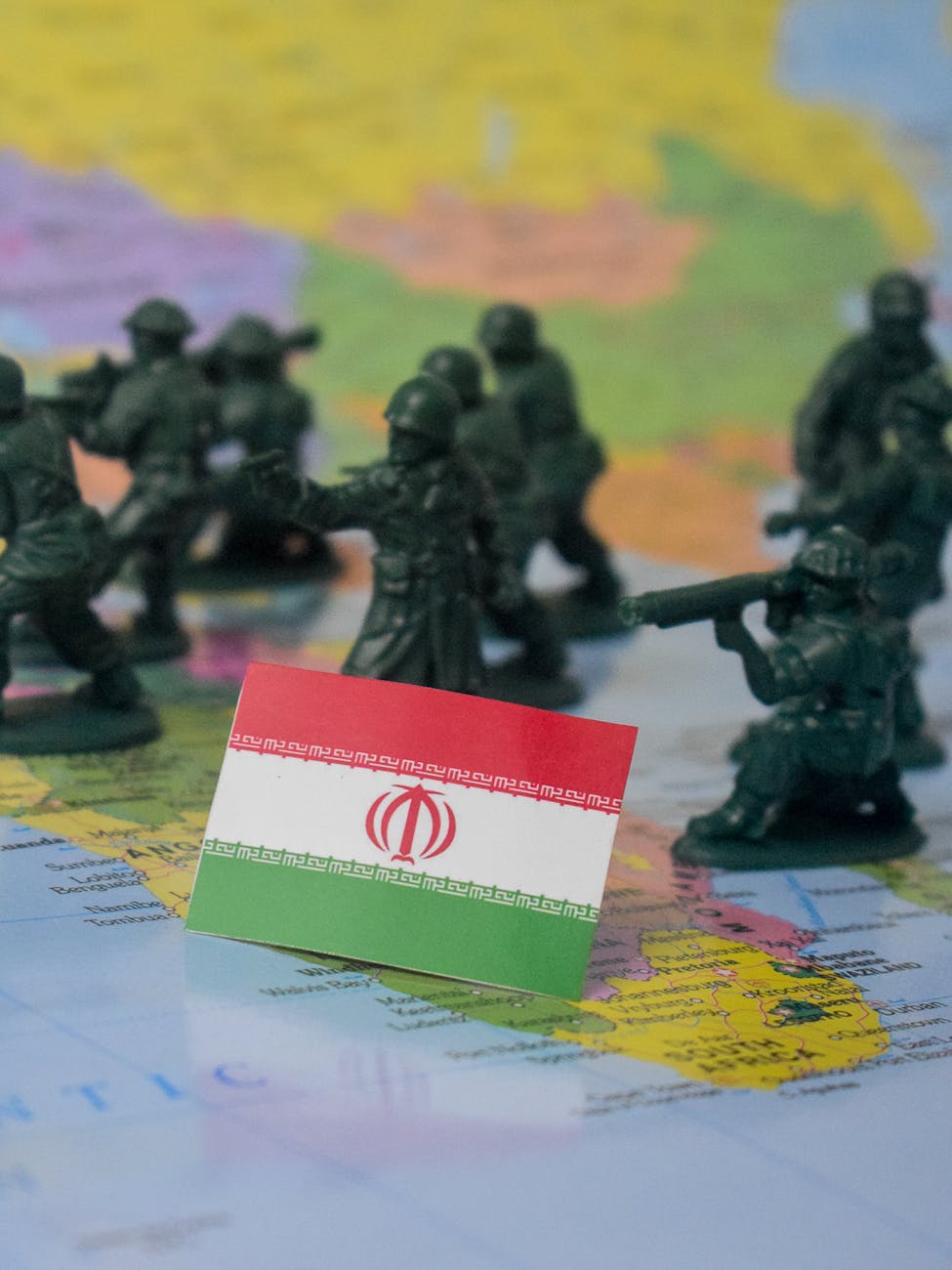
In Tehran this week, Iranian officials signalled a hardening stance toward a proposed US-led peace agreement. This framework aims to end regional hostilities and restore maritime security. However, recent US military strikes have reinforced Iranian scepticism regarding Washington’s long-term commitments. These developments threaten to derail the most significant de-escalation effort in years. Leaders in Tehran now demand stronger guarantees before returning to the negotiating table.
In this report, you will learn how Iran-US diplomatic negotiations 2026 are facing unprecedented hurdles. We examine the specific military actions and policy demands shaping this high-stakes geopolitical standoff. Readers will gain insight into the core barriers preventing a durable regional ceasefire.
- Recent US military strikes have increased Iranian resolve to maintain strict demands.
- Verification of security limits remains the primary sticking point for both nations.
- Global energy markets anticipate continued volatility due to the current diplomatic impasse.
How do recent military actions impact the 2026 peace framework?
The latest exchange of fire has significantly altered the tone of discussions in Geneva. Iranian leadership views these strikes as a direct contradiction to recent peace gestures. They argue that Washington continues to employ a “pressure and talk” strategy. This approach creates a hostile environment for formal signatures on any treaty.
Iranian state media reports suggest that officials see the strikes as validation. They believe the US remains committed to military solutions over diplomatic ones. Consequently, the Iranian negotiating team has paused several technical workshops. These workshops were intended to finalise the details of regional troop withdrawals.
US officials maintain that the strikes were purely defensive in nature. They claim the actions were necessary to protect international shipping lanes. However, the timing has proven problematic for neutral mediators. Countries like Oman and Qatar are now working to bridge this growing trust gap.
What are the core demands preventing a final agreement?
Tehran currently demands the immediate removal of all remaining economic sanctions. They also seek legal guarantees that future US administrations cannot abandon the deal. This requirement stems from the historical collapse of previous international agreements. Without these safeguards, Iran refuses to limit its domestic defence programmes.
Washington requires strict oversight of regional activities and proxy groups. They insist on a verification regime that goes beyond previous standards. This includes real-time monitoring of sensitive sites by international observers. Iran views these demands as an infringement on its national sovereignty.
The deadlock has also extended to the issue of frozen assets. Iran seeks the unconditional release of billions of dollars held in foreign banks. The US wants these funds released in small, performance-based increments. Neither side has shown a willingness to compromise on this financial sequence.
Why does historical precedent fuel current Iranian scepticism?
Past diplomatic failures heavily influence the current mindset in Tehran. The withdrawal from previous frameworks left a lasting mark on Iranian foreign policy. Officials now demand more than just verbal assurances from Western counterparts. They require tangible and irreversible steps from the international community.
According to official records from the United Nations Security Council, regional ceasefire violations have increased recently. These incidents often coincide with periods of stalled high-level diplomacy. This pattern suggests that both sides use tactical pressure to gain leverage. Such tactics, however, often backfire by destroying the foundation of trust.
Expert analysts suggest that internal politics also play a major role. Hardline factions in Tehran use US military actions to discredit moderate negotiators. They argue that cooperation with the West brings no security benefits. This internal pressure makes it difficult for the Iranian government to appear flexible.
What are the implications for global security and energy?
The stalemate affects far more than just regional security. International shipping lanes face ongoing threats of disruption and high insurance costs. This uncertainty forces logistics companies to seek alternative, more expensive routes. Global supply chains remain under significant pressure as the deadlock persists.
Energy analysts warn that oil price volatility will continue through 2026. Any sign of further military escalation leads to immediate market spikes. Conversely, a breakthrough in talks could lead to a rapid price correction. Investors remain cautious as they monitor the daily rhetoric from both capitals.
Regional neighbours are also adjusting their own security postures. Some countries are increasing their domestic defence spending in response to the tension. Others are seeking new security partnerships outside of traditional alliances. This shift is redrawing the geopolitical map of the Middle East.
Stakeholders must prepare for a prolonged period of regional uncertainty. Monitoring official statements from both Tehran and Washington is essential for risk assessment. Businesses should diversify supply routes to mitigate potential disruptions in the Strait of Hormuz. Strategic patience will be the defining trait of this complex diplomatic era.


