
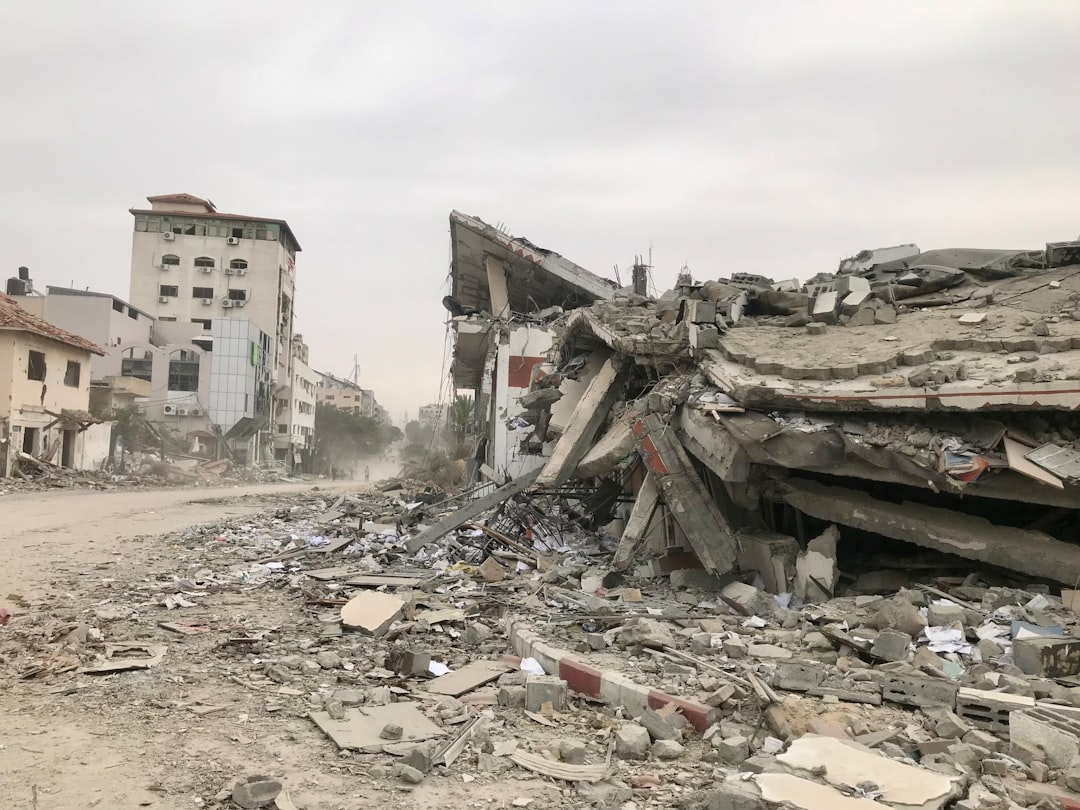
Residents in the Gaza Strip are preparing for Eid al-Adha in June 2026 under severe humanitarian conditions. This marks the third consecutive year that the population faces a total absence of livestock for traditional sacrifices. Families in Gaza City and southern districts continue to struggle with extreme food insecurity and restricted movement. You will learn how the community adapts to these constraints and the current state of food supplies. This article explores the ongoing Eid al-Adha Gaza 2026 humanitarian crisis and its impact on religious traditions.
- Livestock markets remain empty due to prolonged border closures.
- Food insecurity now affects over 90 percent of the local population.
- Communal prayers have replaced traditional family feasts and animal sacrifices.
- International aid remains the primary source of nutrition for most families.
Why is there a livestock shortage in Gaza for 2026?
The livestock sector in Gaza has faced a total collapse over the last three years. Border crossings remain closed to commercial cattle and sheep shipments. Local farmers have lost their herds due to a lack of fodder and water. Consequently, the traditional Udhiyah sacrifice is now impossible for almost every household. Families used to save money all year for this religious obligation. Now, they spend those funds on basic survival needs like flour and clean water.
Furthermore, the destruction of grazing lands has prevented local breeding programs. The soil quality has degraded significantly since 2024. This environmental damage stops the regrowth of essential livestock feed. Most agricultural infrastructure in the north is now completely non-functional. Farmers cannot access their fields safely due to ongoing security risks. As a result, the region relies entirely on sporadic international aid deliveries.
How are families observing religious traditions without sacrifice?
Despite the lack of meat, the spirit of resilience remains visible in Gaza’s streets. Families gather in the ruins of mosques for early morning Eid prayers. They share small portions of canned food instead of fresh lamb. This shift represents a significant change in centuries-old cultural practices. Children still receive new clothes when available to maintain a sense of normalcy. However, the traditional joy of the holiday is tempered by deep loss.
In many neighbourhoods, communal kitchens have become the heart of the celebration. These centres distribute simple meals to thousands of displaced people. Volunteers work tirelessly to create a festive atmosphere for the youth. They organize games and songs amidst the rubble of their former homes. These efforts aim to preserve the social fabric of the community. Nevertheless, the absence of the traditional feast is a painful reminder of their isolation.
“We have no sheep to sacrifice, but we still have our faith and our neighbours. We share what little we have to keep the tradition alive for our children.” — Local resident in Deir al-Balah.
What does the current humanitarian data say about food security?
Data from international monitors show a worsening trend in nutritional health. The United Nations Office for the Coordination of Humanitarian Affairs reports critical food insecurity levels across the territory. Most households go entire days without a single meal. The lack of fresh protein has led to rising rates of anaemia among children. Specifically, the youth population faces a high risk of long-term developmental issues.
Moreover, the cost of basic goods has reached historic highs. A single bag of flour costs ten times its 2023 price. Frozen meat is a luxury that only a few can afford. Most aid shipments focus on dry goods and canned items. These supplies do not meet the cultural or nutritional needs of the holiday. International observers emphasize the need for immediate commercial access to stabilize prices. Without this, the cycle of dependency will continue to grow.
What are the long-term implications for Gaza’s social fabric?
The prolonged crisis is reshaping the identity of the Gazan population. Religious holidays are traditionally times of abundance and communal sharing. The transition to a state of permanent scarcity creates psychological strain. Many elders worry that the youth will forget their cultural heritage. The ritual of the Udhiyah is a central pillar of Islamic practice. Its absence for three years creates a generational gap in tradition.
In addition, the economic structure of Gaza has fundamentally changed. The livestock trade once supported thousands of families and small businesses. These workers are now unemployed or rely on humanitarian stipends. Rebuilding this sector will require years of investment and open borders. Consequently, the social hierarchy based on agricultural wealth has disappeared. The community now finds unity in shared hardship rather than shared prosperity.
How is the international community responding to the 2026 crisis?
Aid organizations are attempting to bridge the gap with specialized holiday programs. Some groups have introduced “symbolic Udhiyah” initiatives. These programs allow donors abroad to fund meat distributions in other countries for Gaza. The processed meat is then shipped into the Strip in cans or vacuum packs. While helpful, these measures do not replace the local religious ritual. Logistical hurdles also delay many of these shipments at the border.
Furthermore, international pressure for a permanent humanitarian corridor is increasing. Diplomats argue that religious freedom includes the ability to perform traditional rites. They are pushing for a temporary opening of crossings specifically for livestock. However, security concerns continue to stall these negotiations. As the holiday approaches, the window for a solution is closing rapidly. Residents continue to wait for a change that may not come this year.
The people of Gaza demonstrate a remarkable ability to find hope in dark times. They prioritize communal support and spiritual strength over material abundance. While the markets remain silent, the voices of prayer continue to rise. This resilience defines the 2026 Eid observance more than any feast could. Global awareness of these conditions remains vital for future recovery efforts. Supporting local aid initiatives provides a direct way to assist these families during their most sacred time.


