
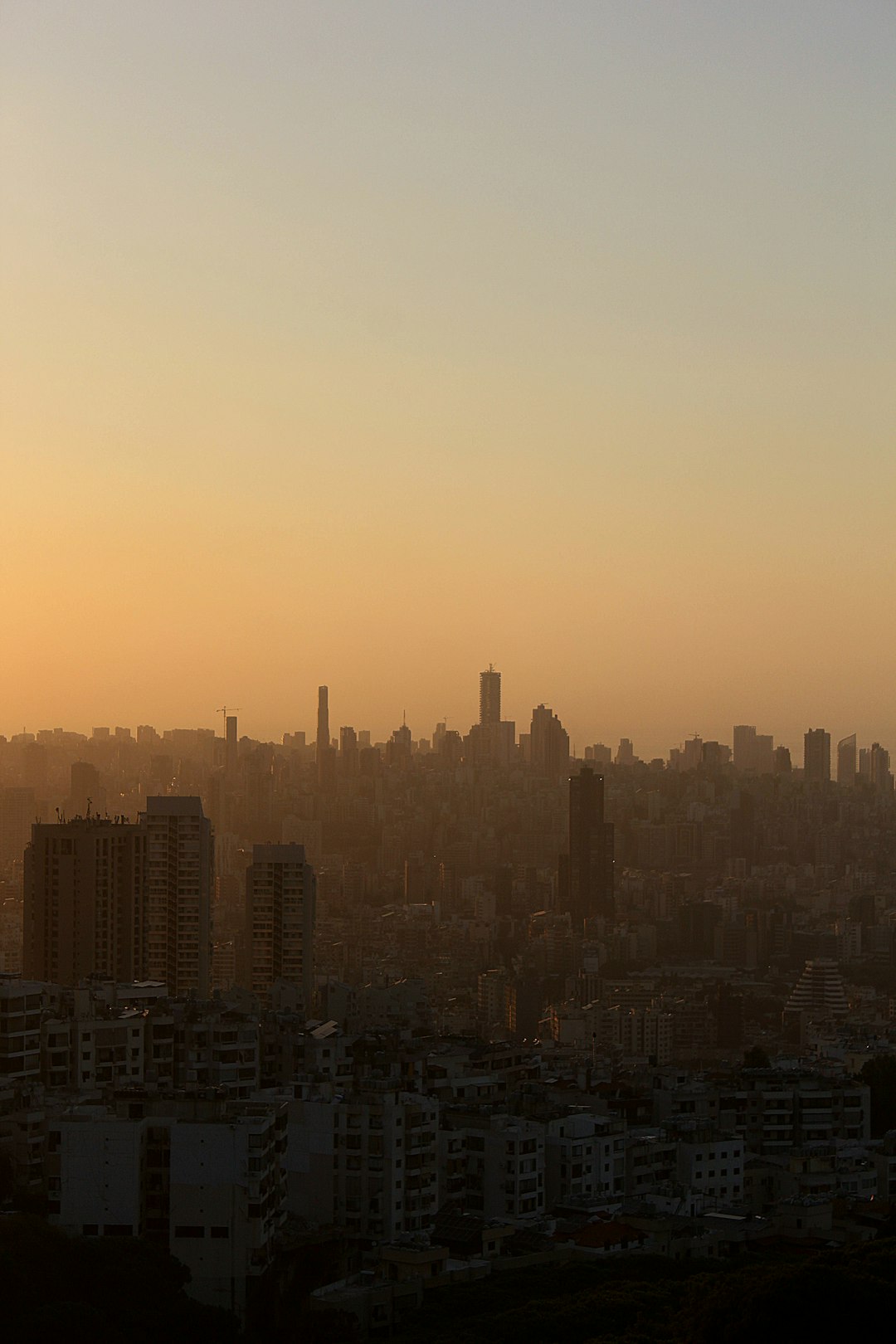
On Wednesday, Day 89 of the expanding regional conflict, Israeli airstrikes killed at least 31 people across Lebanon as diplomatic efforts to secure a truce faltered. The attacks targeted residential sectors in Beirut’s southern suburbs and several towns in the south, coinciding with a new wave of military displacement orders. These events have significantly heightened Lebanon ceasefire tensions, casting doubt on the immediate viability of international mediation efforts. Readers will gain insight into the current military escalation, the geographical scope of the latest strikes, and the specific obstacles currently blocking a diplomatic resolution.
- Israeli airstrikes claimed 31 lives in Lebanon within 24 hours, focusing on Beirut and southern border regions.
- The Israeli military issued expanded displacement orders, affecting thousands of civilians in high-density areas.
- Ceasefire negotiations have reached a critical impasse as military activity surges on both sides of the border.
- Humanitarian organizations report a sharpening crisis as essential infrastructure sustains further damage.
How do the latest strikes affect Lebanon ceasefire tensions?
The recent surge in aerial bombardments has directly impacted the delicate framework of ongoing peace talks. Negotiators had previously expressed cautious optimism regarding a phased withdrawal of forces. However, the intensity of Wednesday’s strikes suggests a shift toward increased military pressure. This escalation often serves as a tactical move to gain leverage before any formal agreement. Consequently, the trust between mediating parties has eroded, making a signed treaty less likely in the immediate term.
Diplomatic sources indicate that the primary sticking point remains the enforcement mechanism of the proposed truce. One side demands freedom of action for future threats, while the other insists on total sovereignty. These conflicting requirements have turned the Lebanon ceasefire tensions into a cyclical pattern of violence and failed dialogue. Each new strike provides a justification for retaliatory measures, further complicating the roadmap to peace.
Why are displacement orders expanding in southern Lebanon?
The Israeli military has significantly broadened its map of mandatory evacuations. These orders now encompass entire city blocks that were previously considered outside the primary combat zone. Military spokespersons claim these measures are necessary to protect civilians during operations against embedded infrastructure. However, the speed and scale of these orders leave many residents with few safe paths for escape. This policy has created a massive internal migration wave toward the northern provinces.
The United Nations Interim Force in Lebanon (UNIFIL) continues to monitor the Blue Line despite the increased frequency of kinetic engagements. International observers note that displacement orders often precede intensified ground or air operations. By clearing these areas, the military reduces the risk of collateral damage while simultaneously isolating potential targets. Unfortunately, the resulting humanitarian pressure on northern cities like Tripoli and Sidon has reached a breaking point.
“The humanitarian corridor is narrowing with every passing hour of bombardment. We are seeing a level of displacement that exceeds our current logistical capacity to provide shelter and medical aid.”
What is the current humanitarian status on Day 89?
The casualty count of 31 on Wednesday is part of a larger, more grim statistical trend. Since the conflict began nearly three months ago, the strain on the Lebanese healthcare system has become unsustainable. Hospitals in Beirut are currently operating at 150% capacity, often lacking basic surgical supplies. Emergency responders face significant risks, as strikes have occasionally impacted routes used by ambulances. This environment makes treating the wounded a logistical nightmare for local authorities.
Data from local health ministries suggest that women and children constitute a significant portion of the casualties in recent strikes. Furthermore, the destruction of civilian infrastructure, such as water pumping stations and electrical grids, has left thousands without basic utilities. International aid agencies are struggling to deliver food and medicine due to the volatile security situation on the main highways. These conditions exacerbate the Lebanon ceasefire tensions as the civilian population bears the brunt of the political stalemate.
How are regional security dynamics shifting in 2026?
The conflict has entered a new phase where regional actors are increasingly drawn into the fray. Intelligence analysts suggest that the 89-day duration has allowed for the depletion of conventional stockpiles, leading to more unpredictable tactics. The involvement of various militias and state-backed groups ensures that the conflict remains multi-layered. This complexity means that a ceasefire in Lebanon may not automatically lead to regional stability. Instead, the violence has become a localized expression of much larger geopolitical rivalries.
Economic indicators across the Middle East reflect this instability. Oil prices have shown increased volatility, and shipping routes in the eastern Mediterranean face heightened insurance premiums. Investors are wary of the long-term implications of a prolonged war in the Levant. If the Lebanon ceasefire tensions are not resolved soon, the economic spillover could affect global markets throughout the remainder of 2026. The focus remains on whether international pressure can force a pause before the conflict reaches a point of no return.
The path forward requires a renewed commitment to the protocols established by international law. As the death toll rises and displacement spreads, the necessity for a sustainable truce becomes an absolute priority for regional survival. Military pressure may achieve short-term objectives, but only a comprehensive diplomatic framework can address the underlying causes of the violence. The coming days will determine if the current escalation is a final surge before a truce or the beginning of a much darker chapter in the regional crisis.


