
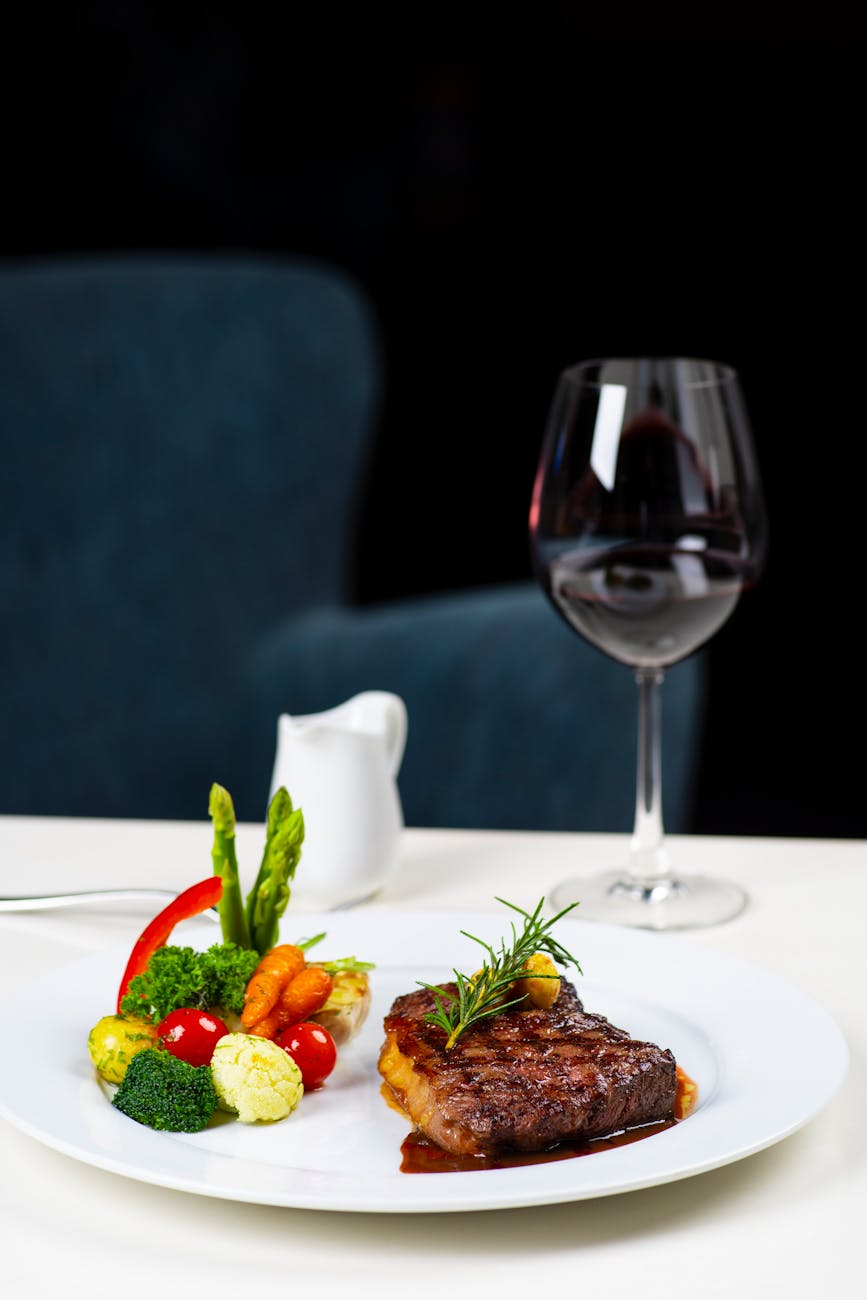
Ottawa, Canada — The Canadian Taxpayers Federation (CTF) released a detailed report this week regarding federal travel expenses incurred during recent international diplomatic missions. The findings reveal that Prime Minister Mark Carney and his delegation accessed high-end catering services, including beef tenderloin and imported luxury butter, while travelling abroad in early 2026. This disclosure comes at a time when many Canadian households continue to manage fluctuating food prices and cost-of-living pressures. In the following report, you will learn about the specific costs of these in-flight services and how they align with current federal spending regulations.
- CTF report identifies significant spending on luxury food items during international government flights.
- Specific expenditures include braised beef, fine wines, and premium Normandy butter.
- The findings have reignited debate over fiscal accountability and federal hospitality standards.
Transparency regarding government expenditures remains a central pillar of Canadian democratic accountability. The CTF, a non-partisan advocacy group, regularly audits public records to ensure taxpayer funds are used efficiently. Their latest investigation focused on flight manifests and catering invoices from the Prime Minister’s recent overseas engagements. These documents provide a rare glimpse into the logistical costs associated with high-level diplomacy.
According to the CTF, the catering menus for these flights stood in stark contrast to the average Canadian grocery list. While many citizens are opting for budget-friendly alternatives at the supermarket, the federal delegation was served “luxury Normandy butter cups” and beef tenderloin. The report also noted the selection of wines, with bottles priced significantly higher than those typically found in a standard retail environment.
What specific costs did the CTF report highlight?
The CTF investigation focused on several high-profile flights where the catering costs appeared disproportionate to standard travel expectations. The records show that the delegation enjoyed multiple courses of gourmet meals while in transit. One specific invoice highlighted the use of imported French butter, a detail that the CTF argues symbolizes unnecessary extravagance.
Beyond the food items, the report scrutinized the beverage selection. Invoices indicate that the wine served on board often exceeded $50 per bottle, a figure more than double what many Canadians spend on a typical purchase. The CTF contends that while high-level officials require secure and efficient travel, the level of luxury provided exceeds what is necessary for functional government operations.
The advocacy group also pointed out that these expenses are often bundled into larger travel budgets, making them difficult for the public to track without formal access-to-information requests. This lack of immediate transparency is a primary concern for fiscal watchdogs. They argue that every dollar spent on premium catering is a dollar not directed toward essential public services or debt reduction.
How do federal hospitality guidelines regulate these expenses?
The federal government operates under strict protocols regarding hospitality and travel. These rules are designed to balance the need for professional representation with the responsibility of prudent spending. The Treasury Board of Canada Secretariat’s Directive on Hospitality provides the framework for what is considered an allowable expense during official duties.
Under these guidelines, hospitality must be provided in a manner that is “economical and facilitates government business.” However, the interpretation of “economical” can vary significantly between government departments and external watchdogs. The CTF argues that the current interpretation allows for loopholes that permit the purchase of luxury goods under the guise of official diplomatic requirements.
Government officials often defend these costs by citing the need to host foreign dignitaries or maintain a certain standard of international prestige. They argue that diplomatic missions are high-stakes environments where hospitality plays a role in relationship building. Critics, however, maintain that these objectives can be achieved without resorting to imported luxury goods at the taxpayer’s expense.
“The issue isn’t that the Prime Minister needs to eat while flying; it’s the choice of menu that raises eyebrows during a cost-of-living crisis,” stated a representative from the CTF during the report’s release.
Why does this spending matter for the 2026 fiscal outlook?
As Canada navigates the economic landscape of 2026, fiscal responsibility has become a top priority for voters. The national debt and the cost of servicing that debt remain significant components of the federal budget. In this context, even relatively small expenditures on luxury items are viewed through a lens of symbolic importance. They represent the government’s attitude toward public funds.
The CTF report serves as a catalyst for a broader discussion on federal austerity. If the government expects citizens to manage their finances carefully, many argue that the leadership must lead by example. The optics of “luxury butter” and “fine wine” are particularly challenging for a government trying to project an image of economic empathy.
Data from the report suggests that if these catering standards were adjusted across all federal departments, the cumulative savings could be substantial. While the cost of a single butter cup is negligible, the aggregate cost of premium catering across hundreds of annual government flights adds up to millions of dollars. This potential for savings is what drives the CTF’s call for a complete overhaul of in-flight catering policies.
What are the broader implications for government transparency?
The release of this report highlights the ongoing tension between government operations and public oversight. In an era of instant information, the delay in releasing travel manifests often leads to increased skepticism. The CTF has called for more proactive disclosure of all travel-related costs, including itemized receipts for catering and hospitality.
For the industry, this scrutiny may lead to changes in how government travel contracts are awarded. Vendors may be required to provide more modest options that align with updated sustainability and austerity goals. This shift could impact the luxury catering sector, which has long relied on high-end government contracts for steady revenue.
Ultimately, the CTF report is a reminder that public spending is always under the microscope. As the 2026 fiscal year progresses, the pressure on the Prime Minister’s office to justify these expenses will likely increase. Ensuring that every tax dollar is spent with the utmost respect for the contributor is essential for maintaining public trust in federal institutions. Moving forward, a focus on modest, functional travel standards will be necessary to align government actions with the economic realities faced by all Canadians.


