
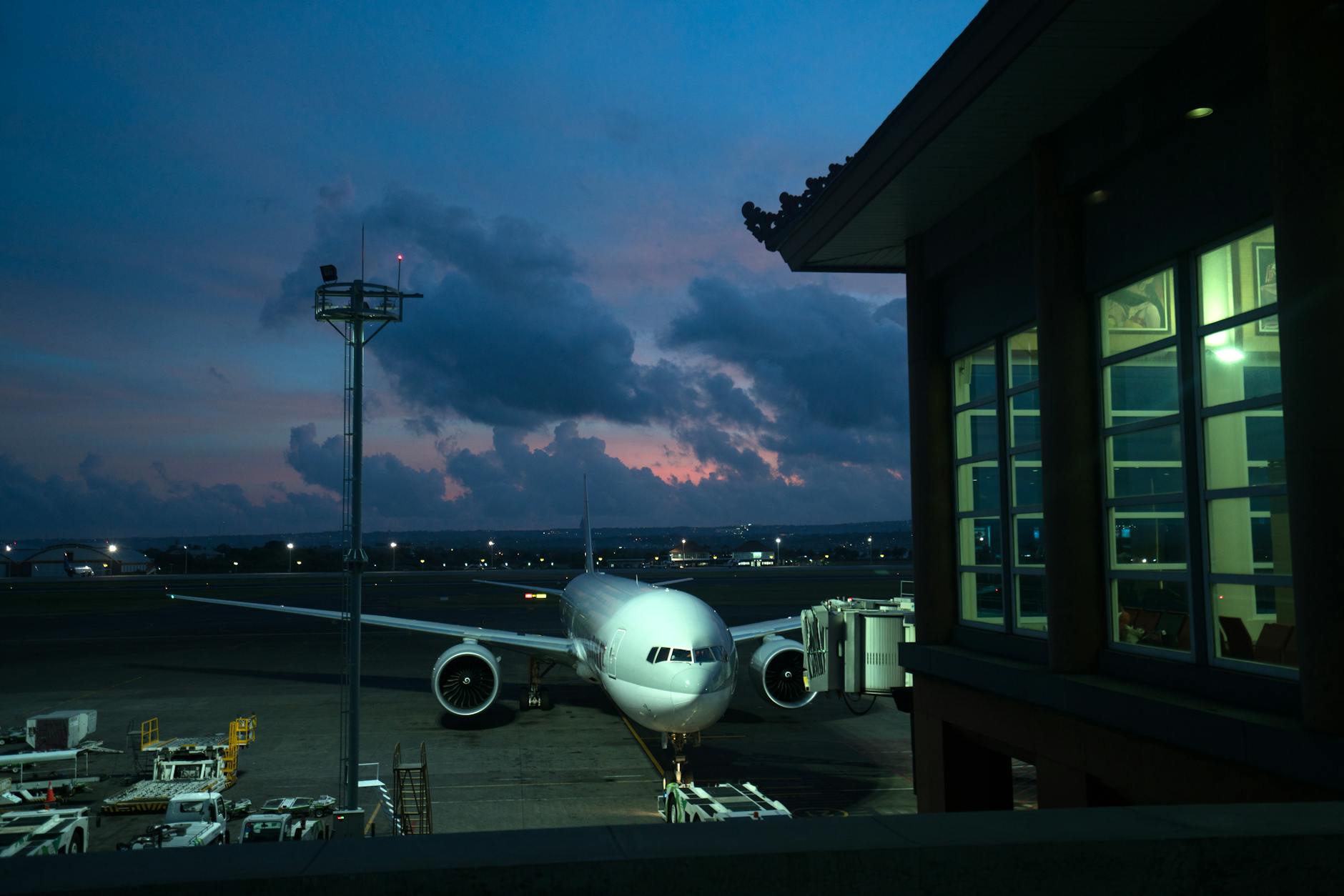
On May 14, 2026, the first charter flight carrying 300 Ghanaian nationals landed safely at Kotoka International Airport in Accra, marking the start of a significant state-led rescue operation. The Ghanaian government organized this emergency transport following a sharp rise in anti-immigrant tensions across several South African urban centres over the past month. This mission aims to protect citizens from targeted violence and civil unrest that have disrupted the safety of the West African diaspora. In this report, readers will learn about the logistics of the Ghanaian evacuation from South Africa, the support systems in place for returnees, and the diplomatic implications for the African Union.
- 300 citizens arrived in Accra on the first government-funded repatriation flight.
- The Ministry of Foreign Affairs has launched a comprehensive reintegration programme for returnees.
- Diplomatic discussions between Accra and Pretoria are intensifying to address the root causes of the unrest.
South Africa has faced recurring cycles of social unrest linked to economic competition and high unemployment rates within its borders. In early 2026, these frustrations shifted toward foreign nationals, leading to protests and sporadic clashes in provinces such as Gauteng and KwaZulu-Natal. While Pretoria has deployed additional security forces, the safety of Ghanaian residents became a primary concern for officials in Accra. Consequently, the decision to evacuate followed a series of urgent consultations between the two nations’ foreign ministries.
Why is the Ghanaian government evacuating citizens now?
The decision to initiate an evacuation stems from a direct threat to the lives and properties of Ghanaians living in South African hotspots. Over the last three weeks, reports of arson and physical assaults against migrant-owned businesses increased significantly. Foreign Affairs Minister, Shirley Ayorkor Botchwey, stated that the government’s first priority is the constitutional duty to protect its citizens regardless of their location. This proactive stance reflects a shift in Ghana’s foreign policy toward more assertive diaspora protection.
The arrival at Kotoka International Airport was met with a mix of relief and somber reflection. Most returnees are small business owners and skilled labourers who left behind established lives and significant assets. “We had no choice but to leave when the shops in our neighbourhood were targeted,” said one returnee who requested anonymity. The government has established a dedicated processing centre at the airport to handle documentation, medical screenings, and immediate welfare needs.
How will the repatriation process support returning nationals?
To facilitate a smooth transition, the Ghanaian government has partnered with local non-governmental organizations to provide a robust safety net. These organizations offer temporary housing and job placement services for those who lost their livelihoods abroad. Furthermore, the Ministry of Finance has allocated emergency funds to provide “reintegration grants” to each returning family. This financial cushion helps cover immediate costs like food and transport while individuals plan their next steps in their home regions.
“The goal is not just to bring our people home, but to ensure they have the tools to rebuild their lives with dignity and hope,” remarked a spokesperson for the Ministry of Gender, Children, and Social Protection.
In addition to financial aid, the government is providing psychological support services. Many returnees have experienced trauma due to the violence and the sudden loss of their homes. Mental health professionals are stationed at the reception centres to offer counselling and long-term support referrals. This holistic approach aims to mitigate the social impact of the sudden influx of people into Ghanaian communities.
What are the diplomatic implications for the African Union?
Data from the International Organization for Migration (IOM) suggests that intra-African migration remains a complex driver of economic growth, yet it faces significant political hurdles. Experts argue that the current situation highlights the need for more robust legal frameworks to protect migrant workers across the continent. Dr. Kwesi Botchway, a regional analyst, notes that repatriation is a necessary short-term fix, but it does not address the underlying economic disparities between regional blocs.
The evacuation sets a significant precedent for how West African nations respond to crises affecting their citizens in other African territories. It signals a shift toward more proactive diaspora protection policies within the Economic Community of West African States (ECOWAS). However, the sudden return of hundreds of citizens could strain local resources in the short term. The success of the reintegration programme will be a critical test for the Ghanaian administration as they manage the social and economic integration of the returnees.
How are regional leaders responding to the crisis?
Regional leaders are now looking toward the upcoming African Union summit to discuss long-term solutions for xenophobia and social cohesion. Addressing the root causes of these tensions is essential for maintaining the spirit of the African Continental Free Trade Area (AfCFTA). If labour mobility is hindered by violence, the economic goals of the entire continent could be at risk. Pretoria has officially condemned the violence, but calls for more concrete preventative measures continue to grow from the international community.
As the remaining evacuation flights are scheduled for the coming weeks, the focus remains on the safety of those still in South Africa. The resilience of the returnees and the support of the Ghanaian public will define this chapter of the nation’s history. Families across Ghana are opening their doors to relatives, demonstrating a national spirit of solidarity. This collective effort ensures that while the journey home was born of hardship, the future for these citizens remains grounded in the support of their home country.


