
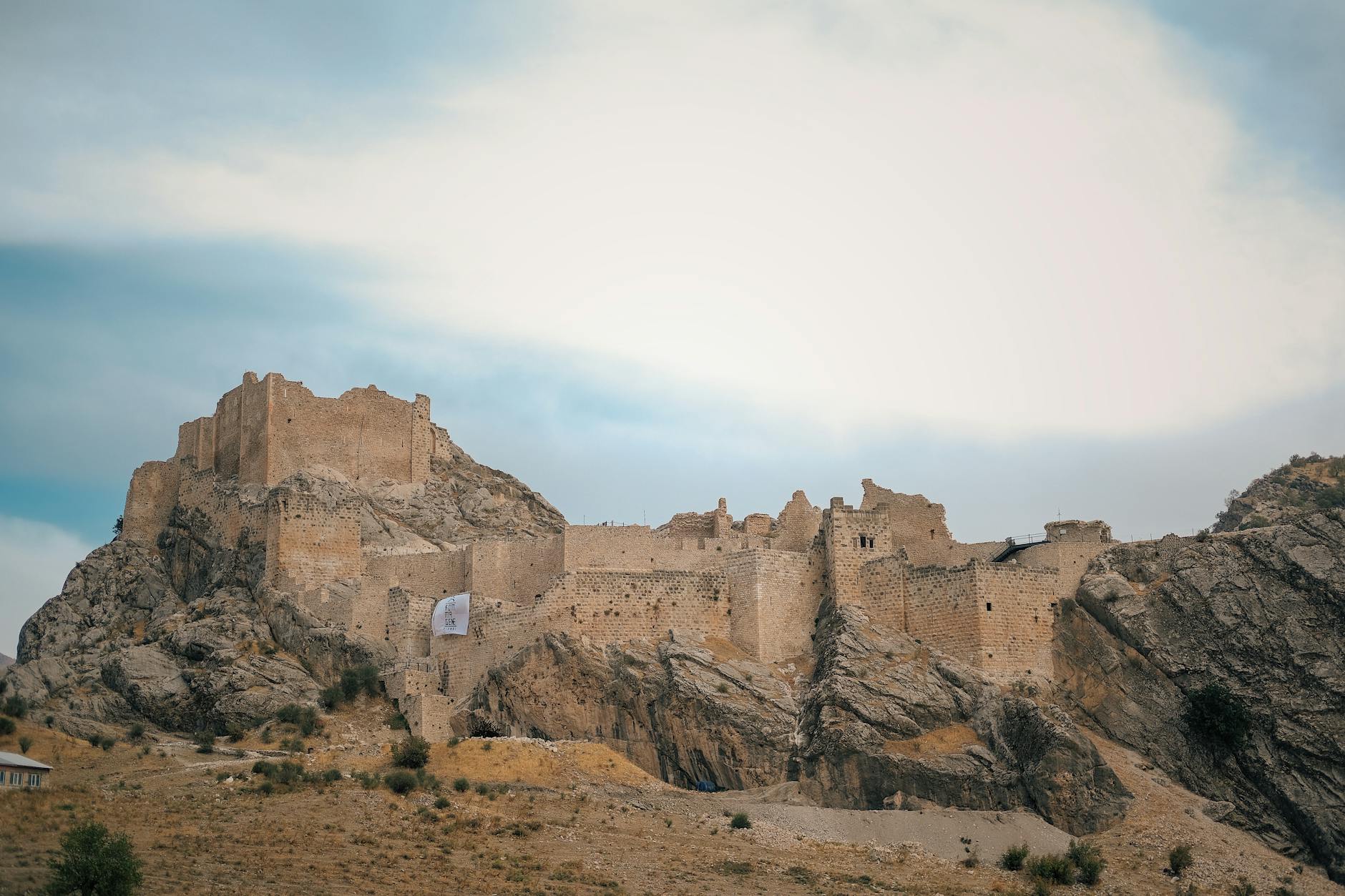
In a major tactical shift in the Middle East, Israeli Defence Forces (IDF) crossed the Litani River in Southern Lebanon early Tuesday to seize control of the 12th-century Beaufort Castle. This operation marks the first time Israeli ground troops have established positions north of this critical waterway since the 2006 conflict. Military officials state the move aims to dismantle long-range reconnaissance outposts used by Hezbollah to direct fire into northern Israel. Readers will learn the strategic implications of this IDF Litani River crossing and how the capture of this medieval fortress alters the regional security landscape in 2026.
- Israeli ground units have officially moved north of the Litani River, a traditional red line for regional escalation.
- The 12th-century Beaufort Castle was seized to deny high-ground surveillance and fire control to opposing forces.
- This advance signals a potential shift in the enforcement of international buffer zones in Southern Lebanon.
Why is the Litani River crossing a strategic turning point?
The Litani River has long served as a geographic and political boundary in Lebanese security dynamics. For nearly two decades, international frameworks have sought to keep the area between the Blue Line and the river free of non-state armed groups. By crossing this line, the IDF has expanded the theatre of operations into the Nabatieh Governorate.
Military analysts suggest this movement is not merely symbolic. The terrain north of the river offers higher elevation and dense foliage that provides natural cover for mobile rocket teams. Controlling this corridor allows the IDF to establish a deeper buffer zone against short-range ballistic threats.
The timing of the advance coincides with increased drone activity across the border. Israeli intelligence reports indicated that modernised surveillance equipment was being installed within the ruins of the castle. This equipment allegedly provided real-time targeting data for precision-guided munitions.
What is the historical and tactical significance of Beaufort Castle?
Beaufort Castle, or Qala’at al-Shaqif, sits atop a 700-metre limestone crag overlooking the Litani River valley. Built by the Crusaders in the 12th century, the fortress has survived numerous sieges by Saladin and subsequent regional powers. Its position offers an unobstructed view of the Galilee panhandle and the Golan Heights.
During the late 20th century, the castle became a symbol of military endurance. It was held by the PLO and later by Israeli forces for eighteen years before their withdrawal in 2000. The current seizure highlights the castle’s enduring value as a high-ground observation post in modern electronic warfare.
Tactically, the stone walls provide significant protection against light infantry weapons and smaller suicide drones. While the structure is an archaeological site, its thick masonry and subterranean chambers remain viable for modern military command and control. Using the site prevents the opposition from utilizing the same geographic advantage to monitor troop movements.
How does this escalation affect regional security frameworks?
The move north of the Litani River challenges the existing interpretations of international security protocols. Diplomats are currently reviewing the status of United Nations Security Council peacekeeping mandates in the region. The presence of IDF units in Nabatieh complicates the mission of UNIFIL observers stationed nearby.
“The crossing of the Litani represents a fundamental change in the rules of engagement that have persisted for twenty years,” stated a senior regional security analyst. “It suggests a transition from defensive containment to active territorial denial.”
Data from regional monitoring groups indicates that over 15,000 civilians have moved further north since the operation began. The humanitarian corridor remains restricted as military checkpoints are established along the primary highways. International aid organisations are calling for immediate clarity on the duration of the occupation of the historic site.
What are the immediate humanitarian and geopolitical implications?
The seizure of Beaufort Castle has triggered a ripple effect across Lebanese civil society. Local authorities in Nabatieh report significant disruptions to water and power infrastructure following the heavy vehicle movement. The Litani River is a primary source of irrigation, and military control over its banks impacts local agriculture.
From a geopolitical perspective, this advance pressures the Lebanese government to take a more active role in border management. Neighbouring countries have expressed concern that the conflict could expand further into the Bekaa Valley. The international community is currently debating whether this move constitutes a temporary tactical necessity or a long-term strategic occupation.
Experts point to the following data points regarding the current escalation:
- An estimated 25% increase in aerial sorties over the Nabatieh region in the last 48 hours.
- The deployment of two additional IDF brigades to secure the high-ground corridor.
- A 40% reduction in rocket fire originating from the immediate vicinity of the Litani River.
As the situation develops, the focus remains on the preservation of the historic site and the safety of the surrounding civilian population. The IDF has stated that their presence is intended to be temporary. However, the establishment of fortified positions suggests a medium-term commitment to the high ground. The international response in the coming days will determine if this crossing leads to a broader regional realignment or a return to previous status quo boundaries.


