
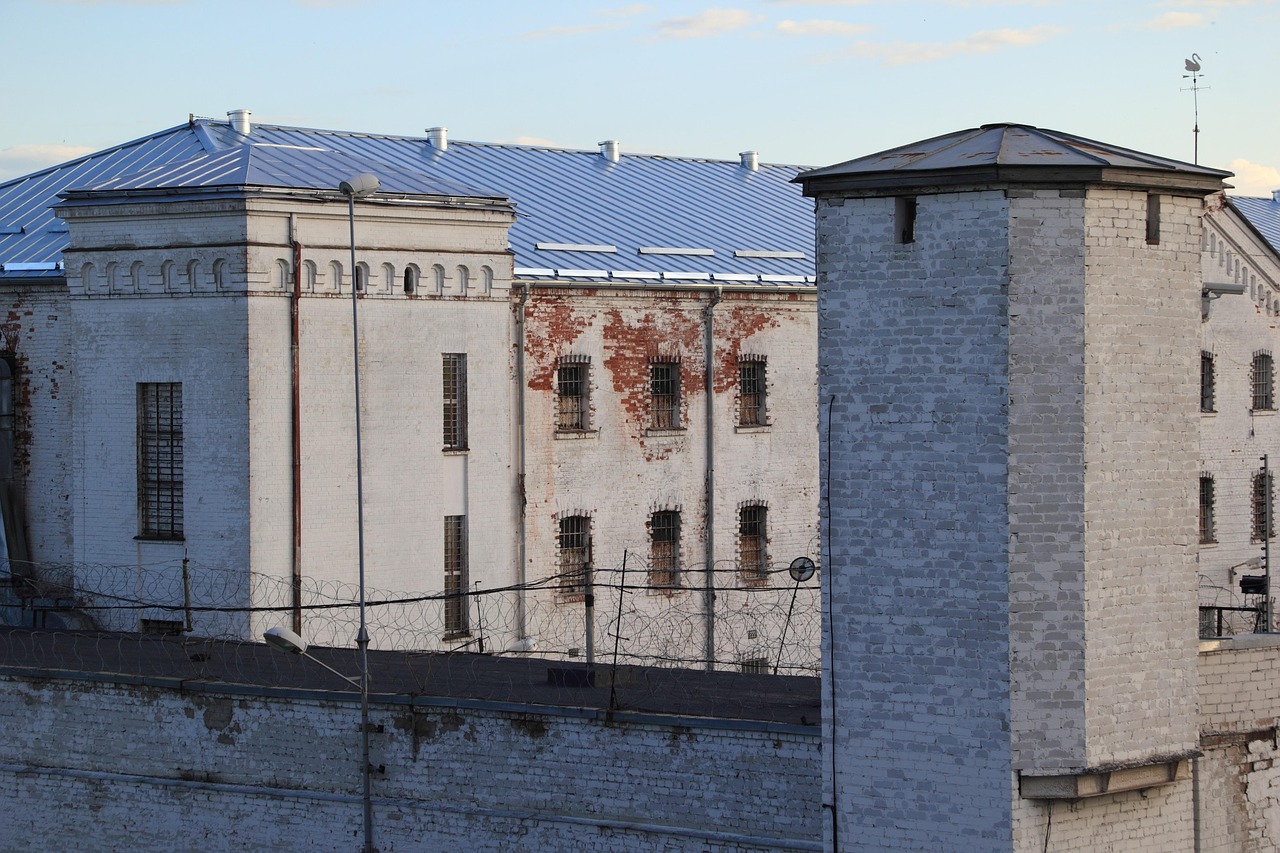
In July 2026, detainees at the Villepinte correctional facility in the Paris suburbs are reporting “inhumane” living conditions as a record-breaking heatwave grips northern France. With temperatures inside the facility exceeding 38 degrees Celsius, the combination of extreme weather and chronic overcrowding has reached a critical breaking point. This article examines the health risks for inmates, the legal challenges facing the French justice system, and how overcrowded prison heatwave conditions are sparking a renewed human rights debate.
Key Takeaways
- Villepinte prison is currently operating at nearly 185% of its official capacity.
- Detainees lack adequate ventilation, relying on damp towels and small fans to survive stifling cell temperatures.
- Legal experts warn that the current conditions violate the European Convention on Human Rights.
The situation at Villepinte is not an isolated incident but a symptom of a systemic crisis. As the 2026 summer proves to be one of the hottest on record, the French penal system is struggling to manage a population that far exceeds its infrastructure’s limits. Inmates describe a sensory nightmare where the air is thick with humidity and the smell of stagnant sweat.
How does overcrowding exacerbate heatwave risks?
Villepinte was designed to hold approximately 580 individuals, yet current records show over 1,000 people are currently housed within its walls. In many cases, three inmates are confined to a nine-square-metre cell for 22 hours a day. This lack of space prevents adequate air circulation, turning small quarters into literal ovens during peak afternoon hours.
Detainees have resorted to hanging damp towels from barred windows in a desperate attempt to cool the incoming breeze. Small electric fans, often purchased by inmates through the prison canteen, merely churn the muggy, overheated air. For those without the financial means to buy a fan, the conditions are even more dire.
Prison staff also report being overwhelmed by the heat. Guards describe the atmosphere as a “tinderbox,” where the physical discomfort of the heat leads to increased irritability and frequent confrontations between inmates. The lack of cooling infrastructure in these older facilities makes thermal regulation nearly impossible.
What is the current legal and human rights context?
France has faced repeated warnings from international bodies regarding its prison system over the last decade. The European Court of Human Rights has previously ruled against the French state for failing to guarantee decent conditions, specifically citing fundamental rights violations related to prison overcrowding and the lack of personal space. In 2026, these violations are magnified by the climate crisis.
“We are seeing a convergence of two crises: a judicial system that relies too heavily on incarceration and a climate that no longer permits such density in uncooled buildings,” says a representative from the International Observatory of Prisons (OIP).
Advocacy groups argue that the French government has failed to implement the necessary structural reforms. While new prisons are under construction, they are not being completed fast enough to offset the rising number of detainees. This has led to calls for emergency sentencing reforms to reduce the number of people held in pre-trial detention.
What are the medical implications for detainees?
Medical professionals working within the prison system are raising alarms about heat-related illnesses. Heatstroke, severe dehydration, and the exacerbation of pre-existing respiratory conditions are common among the aging inmate population. Without consistent access to cold water or showers, the body’s ability to regulate its temperature fails.
The mental health impact is equally significant. Sleep deprivation caused by the heat leads to a decline in cognitive function and an increase in psychological distress. In the cramped cells of Villepinte, the inability to find physical relief creates a sense of hopelessness that complicates rehabilitation efforts.
Data from the Ministry of Justice suggests that incidents of self-harm and violence tend to spike during heatwaves. The 2026 data indicates a 15% increase in medical emergencies within the Paris prison circuit compared to the cooler months of the same year. This correlation highlights the urgent need for climate-resilient prison infrastructure.
How is the French government responding?
The Ministry of Justice has announced several emergency measures to mitigate the heat. These include the distribution of additional water bottles and allowing inmates to wear lighter clothing. However, critics argue these are “band-aid” solutions that do not address the core issue of overcrowding.
There is growing pressure to implement a “temperature threshold” for prisons. Under such a policy, if internal temperatures exceed a certain limit, authorities would be required to transfer inmates to cooler facilities or grant temporary releases for low-risk individuals. So far, the government has been hesitant to adopt such a radical shift in policy.
Current investments are focused on the “Plan 15,000,” a programme aimed at creating 15,000 new prison spots by 2027. However, activists note that building more cells does not necessarily solve the problem if the rate of incarceration continues to climb. They advocate for a shift toward community service and electronic monitoring for non-violent offences.
What does this mean for the future of European prisons?
The crisis at Villepinte serves as a warning for correctional facilities across Europe. As heatwaves become more frequent and intense, the traditional design of prisons is becoming obsolete. Facilities built with thick stone or concrete walls retain heat long into the night, providing no respite for those inside.
Future prison designs will likely need to incorporate passive cooling techniques, such as green roofs and advanced ventilation systems. Furthermore, the legal definition of “humane treatment” is expanding to include protection from extreme environmental conditions. This shift could lead to more lawsuits and forced government action across the continent.
Addressing the crisis at Villepinte requires a dual approach: immediate relief for those suffering in the 2026 heatwave and long-term legislative changes to reduce prison density. Without a reduction in the inmate population, the physical and psychological toll of the summer months will continue to rise, challenging the very foundations of the justice system’s duty of care.


