
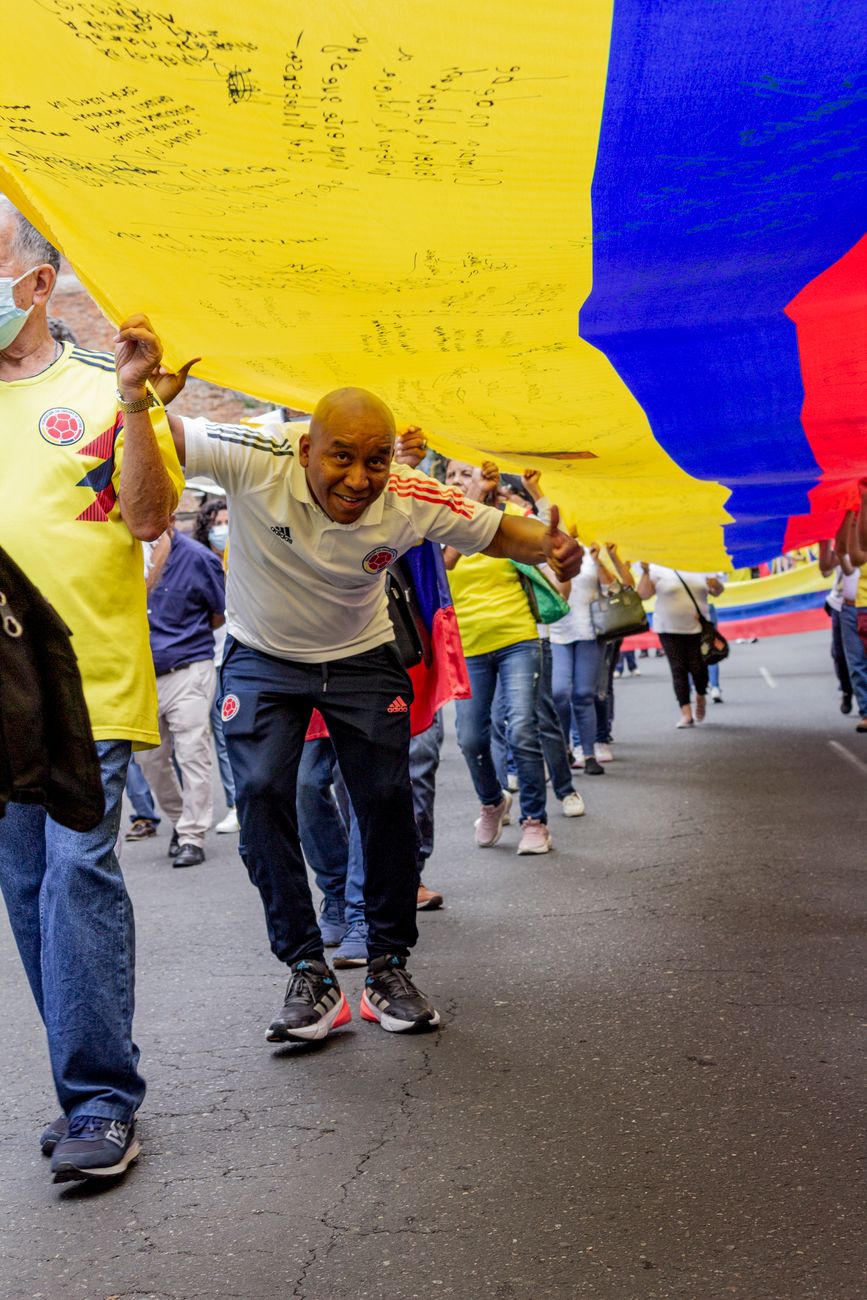
On May 31, 2026, Colombian voters delivered a split decision in the first round of the presidential election. This result forces a high-stakes runoff on June 21 between Abelardo de la Espriella and Iván Cepeda. Neither candidate secured the 50 percent majority required to win the presidency outright during the initial vote in Bogotá and across the departments. Citizens will now choose between two vastly different visions for the nation’s economic and security future.
Readers will learn about the ideological divide between the two finalists and the key issues driving voter behaviour. This report analyzes the Colombia presidential election 2026 results and the implications for regional stability. We examine the shift in political momentum as the country prepares for the final ballot next month.
- Runoff date is set for June 21, 2026, following a narrow first-round margin.
- Abelardo de la Espriella represents a hardline right-wing platform focused on security.
- Iván Cepeda leads a progressive coalition prioritizing social justice and peace accords.
- Economic stability and judicial independence remain the top concerns for the Colombian electorate.
Why did the first round end in a stalemate?
The 2026 election follows four years of intense political fragmentation in Colombia. The incumbent administration faced challenges regarding inflation and rural security. These factors split the electorate into several competing blocs. De la Espriella gained significant support in urban centres by promising a return to strict law enforcement. Conversely, Cepeda maintained a strong lead in rural areas and among younger voters.
Voter turnout reached 58 percent, reflecting a highly engaged public. This participation level matches historical highs for the country. Many citizens expressed a desire for a clear mandate to address the rising cost of living. However, the presence of multiple strong candidates prevented a single-round victory.
What are the primary platforms of the two candidates?
Abelardo de la Espriella campaigns on a platform of “Democratic Restoration.” He focuses on strengthening the military and police forces. His economic plan includes significant tax cuts for corporations to stimulate foreign investment. He often cites the need for a firm hand against dissident groups in the periphery.
Iván Cepeda offers a starkly different path for Colombia. He emphasizes the full implementation of the 2016 Peace Agreement. His platform includes a transition toward green energy and expanded social welfare programmes. Cepeda aims to reduce the wealth gap through progressive tax reforms and land redistribution.
According to the Organization of American States Electoral Observation Mission, the first round met international standards for transparency. Observers noted that the technical infrastructure handled the high volume of digital ballots efficiently. This transparency is crucial for maintaining public trust during the upcoming three-week campaign period.
“The choice facing Colombia is not just about two men, but about two distinct institutional futures,” says Dr. Maria Gomez, a political analyst in Bogotá.
How will the runoff impact the Andean region?
The outcome of the June 21 vote will resonate far beyond Colombia’s borders. As the second-largest economy in South America, Colombia influences regional trade and migration policies. A victory for De la Espriella might signal a shift toward more conservative regional alliances. A Cepeda win would likely strengthen ties with other progressive governments in the hemisphere.
Investors are monitoring the situation closely. The Colombian peso showed slight volatility following the announcement of the runoff. Analysts suggest that the market prefers a predictable transition of power. Both candidates have met with business leaders to provide assurances regarding debt obligations and trade agreements.
Current Data Points on Voter Sentiment
- Security remains the top priority for 42% of polled voters.
- Economic reform is the primary concern for 35% of the population.
- Environmental policy has seen a 12% increase in importance since 2022.
What should voters expect before June 21?
The next three weeks will see intense campaigning across the country. Both candidates must now court the voters who supported third-party candidates in the first round. Political alliances are forming rapidly as minor parties endorse their preferred finalist. These endorsements often carry significant weight in the final tally.
Public debates will focus on specific policy implementations. Voters want to see detailed plans for reducing urban crime and improving healthcare access. The candidates will likely travel to the departments where the margins were thinnest. Every percentage point will count in what experts predict will be a historic photo finish.
As the June 21 runoff approaches, the focus remains on the resilience of Colombian democratic institutions. Citizens have a clear opportunity to define the nation’s trajectory for the late 2020s. Preparing for the final vote requires a careful assessment of how each leader intends to unify a divided nation. The coming weeks will determine if Colombia chooses a path of conservative security or progressive social reform.


