
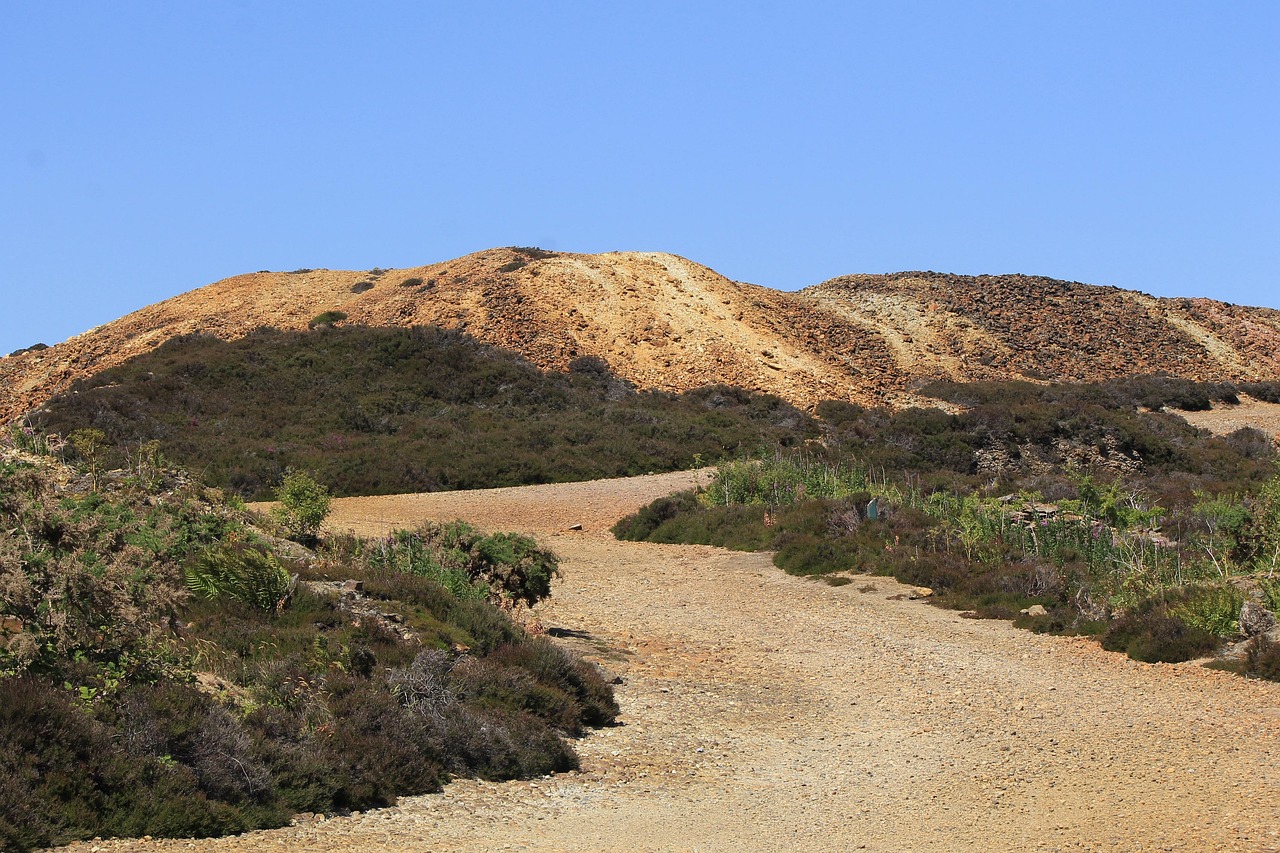
As of early 2026, the Republic of Guinea remains the global leader in bauxite exports, yet the domestic wealth gap continues to widen. In the mining hubs of Boké and Kindia, local communities report that industrial expansion has decimated traditional farming landscapes. This disconnect between national GDP growth and local poverty has sparked a renewed debate over resource sovereignty. Readers will learn how the Guinea bauxite mining impact is reshaping the national economy while challenging the livelihoods of rural citizens.
- Guinea accounts for over 25% of global bauxite production as of 2025.
- Local agricultural yields have dropped by 40% in mining-adjacent regions.
- New 2026 regulations aim to enforce stricter local content requirements for mining firms.
- Environmental degradation remains the primary concern for displaced rural populations.
Guinea holds the world’s largest reserves of bauxite, the primary ore used to produce aluminium. Over the last decade, international consortia have invested billions into infrastructure to extract this red earth. Consequently, the mining sector now accounts for a significant portion of Guinea’s fiscal revenue. However, the transition from an agrarian society to a mining powerhouse has not been seamless for everyone.
Historically, the land in the Boké region sustained thousands of families through cashew and rice farming. Today, many of those fields are replaced by open-pit mines and heavy-haul railway tracks. Furthermore, the dust from these operations often settles on remaining crops, reducing their quality and market value.
How has bauxite mining affected Guinean agriculture?
The transformation of the landscape has led to a direct loss of arable land for local farmers. Specifically, the expansion of mining concessions has forced many families to relocate to urban centres. These displaced citizens often lack the technical skills required for high-paying industrial roles. Therefore, they remain trapped in a cycle of unemployment despite the proximity of vast mineral wealth.
Environmental experts note that the removal of topsoil during extraction leads to long-term soil infertility. Meanwhile, water sources used for irrigation have become contaminated with sediment and heavy metals. This degradation makes it nearly impossible for traditional farming techniques to remain viable. As a result, food security in the northern provinces has become a critical government priority in 2026.
“Before the mines arrived, the land was our bank account and our supermarket,” says a local community leader in Sangarédi.
What are the economic implications for Guinea in 2026?
Data from the World Bank Guinea economic update indicates that while mining drives macro-level growth, the benefits rarely trickle down. In 2025, the mining sector contributed significantly to the national budget, yet the poverty rate in mining regions remained stagnant. This disparity has led to increased social tension and frequent protests near major shipping ports.
To address this, the Guinean government introduced the 2026 Mining Equity Framework. This policy mandates that a higher percentage of mining profits must be reinvested into local healthcare and education. Additionally, companies must now prioritize Guinean-owned businesses for logistics and supply chain contracts. Many industry analysts view this as a necessary step toward sustainable development.
However, implementing these rules requires robust oversight and transparency from state institutions. Critics argue that without strong anti-corruption measures, the new funds may never reach the intended beneficiaries. Consequently, the international community is closely monitoring how Guinea manages its 2026 revenue windfalls.
How are international mining firms responding to social pressure?
Global aluminium demand is surging due to the rise of electric vehicle manufacturing and renewable energy infrastructure. Because of this, mining companies are under pressure to ensure their supply chains are ethically sourced. Many firms have started implementing “Social License to Operate” programs to mitigate local grievances. These initiatives often include building new schools or providing solar-powered water pumps to villages.
Despite these efforts, many locals view these projects as temporary fixes for permanent land loss. Experts suggest that a more comprehensive approach involving land-for-land compensation is required. Furthermore, the restoration of mined-out areas must become a non-negotiable part of every mining contract. Only then can the ecological balance be restored for future generations.
In the coming years, the success of Guinea’s mining sector will be measured by more than export volumes. The true metric of progress will be the improvement of daily life for the people of Boké and Kindia. As the world demands more aluminium, Guinea must ensure its people are not the ones paying the highest price. Effective policy and genuine community engagement are the only paths toward a prosperous and equitable future for all Guineans.


