
On Tuesday afternoon, an Israeli airstrike struck a crowded cafe at the Gaza City port, killing at least two Palestinians and injuring twelve others. This sudden escalation occurred during a period of fragile regional stability, targeting a known civilian gathering spot near the Mediterranean coast. In this article, you will learn the specific details of the Gaza port airstrike, the immediate humanitarian response, and the broader implications for international law in 2026. Local authorities confirmed the casualties as emergency teams rushed to the scene to provide medical assistance to the survivors.
- At least two individuals were killed and twelve wounded in the strike.
- The incident occurred at a popular civilian cafe located within the Gaza City port.
- This event threatens the stability of the 2026 maritime aid agreements.
What led to the Gaza port airstrike?
The strike occurred shortly after 2:00 PM local time. Witnesses reported a single missile hitting the upper floor of a waterfront establishment. This cafe served as a hub for local fishermen and residents seeking a brief respite from the ongoing economic challenges. The Israeli military has not yet issued a specific operational statement regarding the intended target of this mission.
Contextual tensions have remained high throughout the early months of 2026. Despite multiple diplomatic efforts, sporadic violence continues to disrupt the lives of civilians in the region. The port area is particularly sensitive due to its role in receiving international maritime aid. Security analysts suggest that any military action in this zone carries significant political risks for all involved parties.
How are medical teams responding to the casualties?
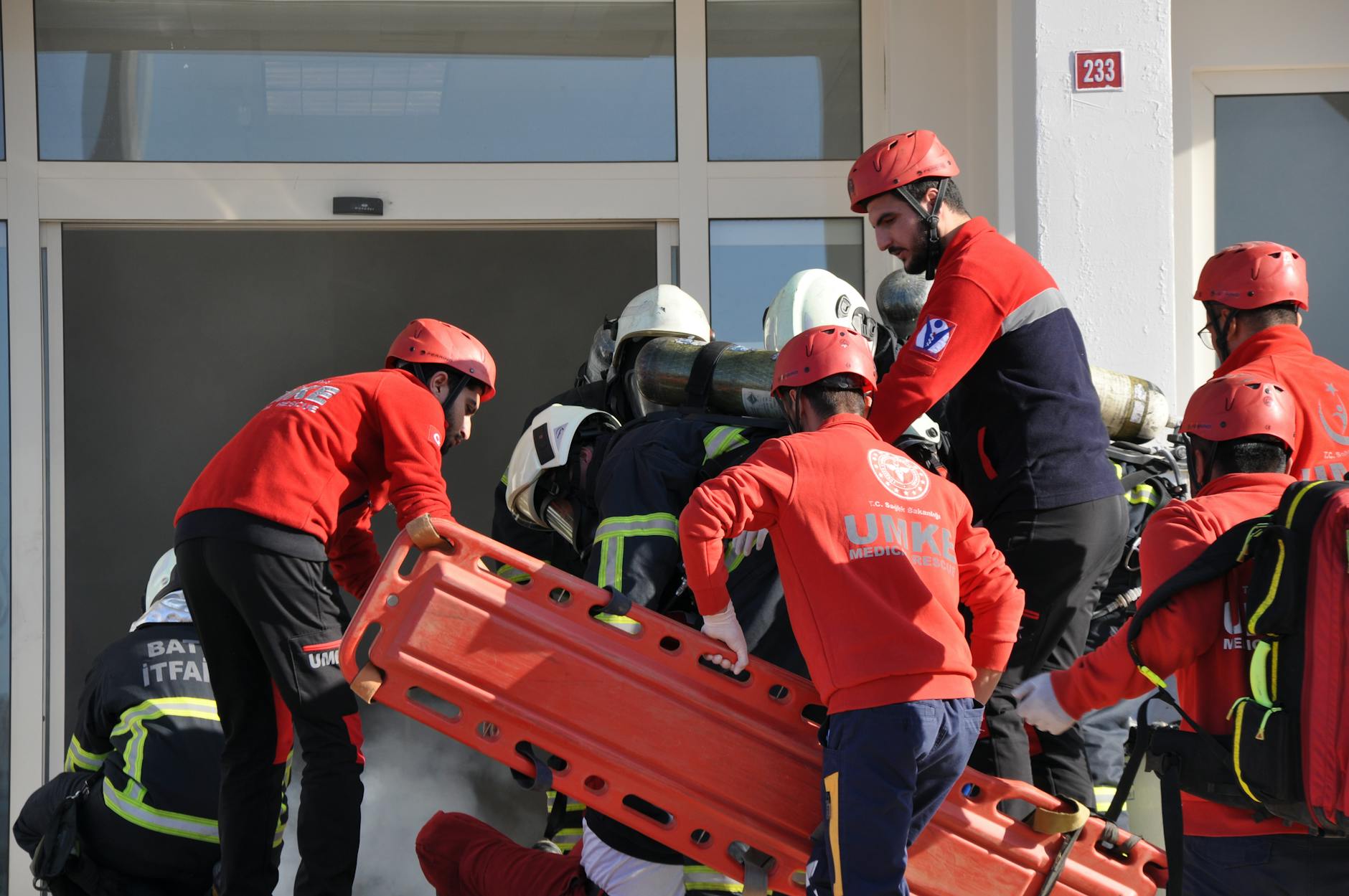
Emergency medical services arrived at the port within minutes of the blast. Paramedics treated the wounded on-site before transporting them to nearby hospitals. Most of the injuries reported include shrapnel wounds and respiratory distress from the resulting debris. Hospital officials noted that three of the wounded remain in critical condition as of Tuesday evening.
Medical supplies in the region remain under heavy strain. Local health administrators have called for an immediate influx of trauma kits and surgical equipment. The 2026 healthcare infrastructure in Gaza relies heavily on international support to function during such crises. Crowds gathered outside the hospital gates, waiting for news about their family members and loved ones.
What are the implications for maritime humanitarian corridors?
This strike raises serious questions about the safety of the “Blue Corridor” initiative. This maritime route was established in late 2025 to facilitate the delivery of food and medicine. If civilian infrastructure near the port is targeted, international shipping companies may reconsider their participation. Such a move would significantly hinder the distribution of essential resources to the population.
Diplomatic observers are monitoring the situation closely. The port serves as a primary entry point for goods that bypass land-based checkpoints. Maintaining the neutrality of this zone is essential for regional food security. Any further military activity could lead to a suspension of aid shipments, worsening the existing humanitarian crisis.
Why is civilian infrastructure protection critical in 2026?
International law strictly prohibits the targeting of civilian objects during armed conflict. The United Nations Office for the Coordination of Humanitarian Affairs has frequently documented the impact of such strikes on non-combatant populations. This latest incident adds to a growing list of civilian sites damaged during recent operations. Legal experts emphasize that military necessity does not override the obligation to protect human life.
“The protection of civilians is not a choice; it is a legal and moral imperative that must be upheld at all times.”
Data from previous months shows a concerning trend in urban warfare tactics. Strikes in densely populated areas often result in high collateral damage. In 2026, the use of precision munitions has not entirely eliminated the risk to bystanders. Human rights organizations are calling for an independent investigation into the circumstances of the cafe strike to ensure accountability.
How will this impact future diplomatic negotiations?
The timing of the strike is particularly sensitive for ongoing peace talks. Negotiators were scheduled to meet later this week to discuss a long-term ceasefire framework. This incident may harden the positions of local leadership, making a diplomatic breakthrough more difficult to achieve. Public anger in Gaza is rising, with many calling for an immediate international intervention to stop the violence.
Regional powers have already issued statements condemning the loss of civilian life. The international community faces pressure to take a more active role in de-escalating the situation. Without a clear commitment to protecting civilian zones, the cycle of violence is likely to continue. The coming days will be crucial in determining whether this event leads to a wider conflict or a renewed push for peace.
The events at the Gaza port highlight the extreme vulnerability of civilians in conflict zones. As families mourn their losses, the focus remains on the urgent need for a sustainable resolution. Ensuring the safety of civilian hubs like the Gaza City port is essential for any future stability. Observers and residents alike are now waiting to see if international pressure will lead to a change in military policy.


