
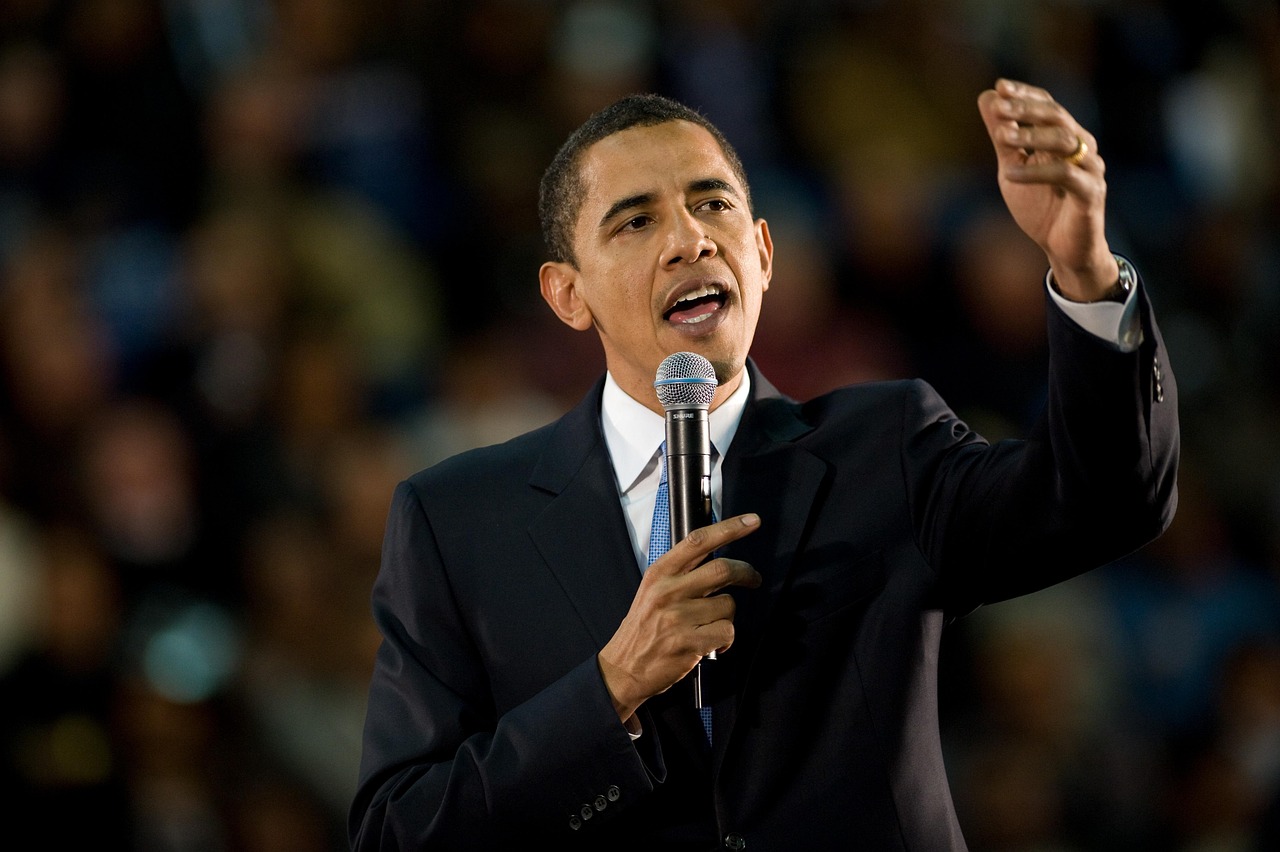
Prime Minister Mark Carney officially designated the rise of hate-motivated incidents as a national “crisis” during a high-profile address at Toronto’s Holy Blossom Temple on Monday afternoon. The Prime Minister’s visit to Canada’s oldest Reform congregation comes amidst a significant spike in reported threats against the Jewish community throughout 2026. While Carney’s speech emphasized solidarity and moral clarity, the absence of new, specific policy changes has left many questioning the government’s strategy for addressing antisemitism in Canada effectively. Readers will gain insight into the current legislative gaps and the specific criticisms facing the Carney administration’s response to these rising tensions.
- PM Mark Carney identified antisemitism as a national crisis but introduced no new federal policy measures.
- Critics argue the administration’s response relies on rhetoric rather than actionable enforcement or increased security funding.
- The Jewish community is calling for concrete legislative updates to existing hate crime frameworks.
What was the core message of Carney’s Holy Blossom Temple address?
During his Monday appearance, Prime Minister Carney spoke to a crowded sanctuary about the deteriorating state of social cohesion in Canada’s urban centres. He acknowledged that the Jewish community is currently facing an unprecedented level of hostility that threatens the foundational values of Canadian multiculturalism. Carney insisted that his government remains committed to the safety of all citizens, yet he stopped short of announcing new initiatives.
The Prime Minister emphasized that “words matter” in setting a national tone of tolerance and mutual respect. He highlighted existing programmes, such as the Security Infrastructure Program (SIP), which provides funding for places of worship to enhance their physical security. However, he did not commit to expanding the eligibility or the total budget for these grants despite the increased demand in 2026.
Community leaders at the event noted that while the Prime Minister’s presence was appreciated, the sentiment felt familiar. The address mirrored several speeches given over the past year that acknowledged the problem without offering a distinct roadmap for mitigation. This has led to a growing perception that the federal response has reached a plateau of effectiveness.
Why are critics calling the Prime Minister’s approach a “white flag”?
Political analysts and community advocates have been quick to point out the discrepancy between the Prime Minister’s strong language and his static policy agenda. National columnist Jesse Kline recently suggested that Carney’s admission of a crisis without a corresponding plan is equivalent to holding up a white flag. This critique stems from the idea that acknowledging a systemic failure without proposing a solution signals a lack of federal direction.
The “white flag” metaphor resonates with those who feel the government is overwhelmed by the complexity of modern hate speech and online radicalization. Critics argue that the current administration is hesitant to engage in the difficult work of legislative reform. This includes potential updates to the Criminal Code that would simplify the prosecution of hate-motivated crimes, which currently face high evidentiary hurdles.
Furthermore, the lack of a coordinated strategy between federal, provincial, and municipal law enforcement remains a significant pain point. Without a centralized task force or a clear mandate from the Prime Minister’s Office, local police departments are often left to manage complex, internationally-influenced tensions with limited federal guidance. This perceived vacuum of leadership is what many observers find most concerning about the current status quo.
How does the current data reflect the severity of the crisis?
The statistical reality of hate-motivated incidents in Canada provides a sobering backdrop to the Prime Minister’s rhetoric. Recent reports indicate that incidents targeting Jewish institutions have reached their highest levels in a decade, with a focus on major metropolitan areas like Toronto, Montreal, and Vancouver. These figures include not only physical vandalism but also a surge in targeted online harassment and threats.
According to the latest Statistics Canada data on police-reported hate crimes, there has been a consistent upward trend in incidents targeting religious minorities. The data suggests that while reporting has improved, the actual frequency of these events is outpacing the resources available to investigate them. This discrepancy validates the concerns of community leaders who argue that the crisis is systemic rather than incidental.
“We are seeing a normalization of rhetoric that was once confined to the fringes of society. When our congregants feel unsafe entering their house of worship, the government must move beyond empathy and toward enforcement.”
The Prime Minister’s visit to Holy Blossom Temple was intended to reassure the public, but the data suggests that reassurance must be backed by a shift in investigative priorities. Without a surge in specialized hate-crime units and better digital forensic capabilities, the upward trend in these statistics is unlikely to reverse in the near term.
What legislative actions could strengthen community safety?
To move beyond the current impasse, legal experts suggest several specific avenues for federal action. One primary recommendation is the streamlining of the process for designating groups as hate entities, which would allow for more aggressive financial monitoring. Additionally, there is a push for the federal government to provide a clearer definition of antisemitism within the context of the Canadian Human Rights Act to assist in civil adjudications.
Another area for potential growth is the enhancement of the Special Envoy on Preserving Holocaust Remembrance and Combating Antisemitism. Advocates are calling for this office to be granted a larger budget and a more direct role in advising the Department of Justice. This would ensure that the Prime Minister’s rhetoric is translated into a consistent policy framework across all federal agencies.
Finally, the government could address the root causes of the crisis by investing more heavily in national educational initiatives. While education is primarily a provincial responsibility, federal grants could support a standardized curriculum focused on media literacy and the history of religious discrimination. This long-term approach would complement more immediate security measures, providing a multi-generational solution to a deeply rooted problem.
The path forward for the Carney government requires a transition from acknowledgment to tangible intervention. As the 2026 political landscape becomes increasingly defined by these social tensions, the demand for a comprehensive national strategy will only intensify. Ensuring the safety of the Jewish community is not merely a matter of security, but a test of the government’s ability to maintain the social contract in an era of increasing polarization. Actionable policy, rather than refined oratory, will be the metric by which this administration is ultimately judged by the Canadian public.


