
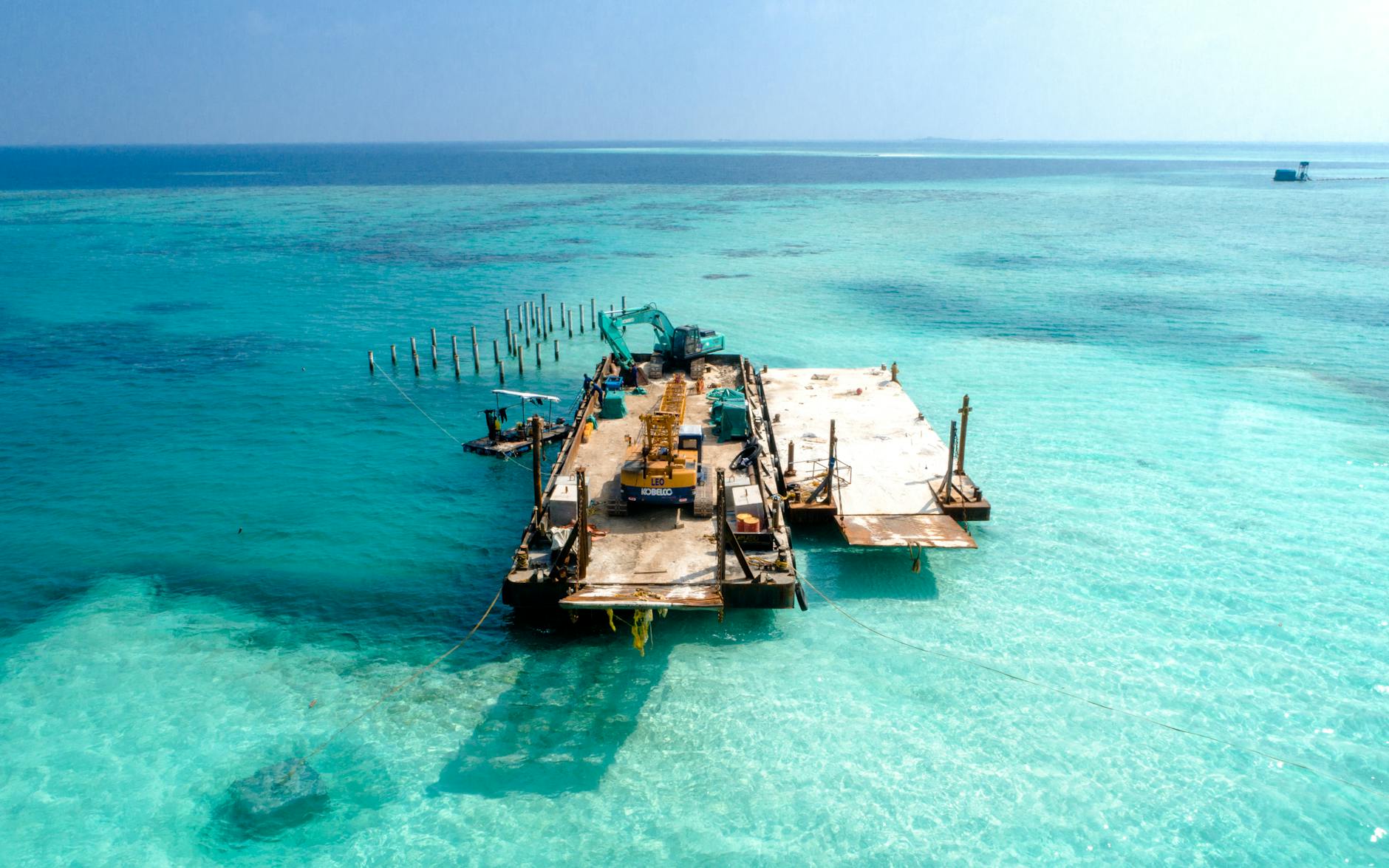
In early 2026, the Indian government fast-tracked its $9-billion development project on Great Nicobar Island to counter rising naval presence in the Indian Ocean. This initiative establishes a permanent military and commercial chokepoint near the vital Strait of Malacca. By integrating an international transshipment port with a military-grade airport, New Delhi is fundamentally shifting the balance of power. This article explores how the Great Nicobar strategic development serves as a maritime shield and an economic engine for the region.
- Strategic location provides a vantage point over the Malacca Strait.
- $9-billion investment includes a dual-use military and commercial hub.
- The project aims to handle 14.2 million TEU containers annually.
- Environmental concerns remain a significant point of international debate.
Great Nicobar sits at the southern tip of the Andaman and Nicobar archipelago. It is closer to Sumatra than to the Indian mainland. This proximity to the world’s busiest shipping lanes makes it a natural sentinel. Historically, India maintained a modest presence in these waters. However, the rapid expansion of foreign naval fleets necessitated a more robust posture. The current development represents India’s most significant maritime infrastructure play in decades.
Why is the Great Nicobar strategic development a geopolitical necessity?
The island overlooks the primary entry point to the Indian Ocean from the east. Nearly 35% of global trade passes through this narrow corridor. By developing these facilities, India gains the ability to monitor traffic effectively. This capability is often compared to the strategic importance of the Strait of Hormuz. Consequently, the project strengthens India’s role as a net security provider in the Indo-Pacific.
Military analysts suggest that the new greenfield airport will support long-range maritime patrol aircraft. These assets can track underwater and surface movements with high precision. Furthermore, the deep-sea port allows for the docking of large naval vessels. This infrastructure ensures that Indian forces can respond rapidly to any regional contingencies. The move clearly signals New Delhi’s intent to protect its maritime interests and sovereign rights.
How will the international transshipment terminal affect global trade?
The centrepiece of the project is the International Container Transshipment Terminal (ICTT). Currently, much of India’s transshipment cargo is handled by foreign ports like Colombo or Singapore. The new terminal aims to capture this traffic. It will significantly reduce freight costs and time for Indian exporters. Moreover, it positions India as a major player in the global logistics chain.
Economists predict the port will generate thousands of local jobs. It will also attract significant foreign direct investment into the region. The project follows the holistic development of islands framework designed to boost sustainable economic growth. This strategy integrates infrastructure with local industry needs. By 2030, the port could become a primary hub for South Asian trade.
What are the environmental and social implications of the project?
Despite the strategic benefits, the project faces intense scrutiny from environmental groups. The island is home to the Shompen and Nicobarese tribes. It also hosts unique biodiversity, including the leatherback turtle. Critics argue that large-scale construction threatens these delicate ecosystems. The government has countered with plans for compensatory afforestation and wildlife corridors.
Experts emphasize the need for a balanced approach. Protecting indigenous rights is as crucial as national security. The administration has promised that no tribal lands will be forcibly taken. However, the influx of thousands of workers may alter the island’s social fabric. Continuous monitoring by independent bodies remains essential to ensure compliance with environmental standards.
How does this project counter regional power imbalances?
The Indian Ocean has become a crowded space for international navies. Several nations are seeking to establish permanent bases in the region. India’s development of Great Nicobar serves as a necessary counterbalance. It prevents any single power from dominating the maritime commons. This creates a more stable and multipolar regional environment.
Data from maritime agencies show a 20% increase in non-commercial naval transits since 2022. India’s presence at Great Nicobar provides a deterrent against unauthorized incursions. It also facilitates better cooperation with regional partners like Australia and Japan. Joint exercises and intelligence sharing will likely increase as the infrastructure matures. This collaboration enhances the overall safety of international shipping lanes.
The transformation of Great Nicobar Island marks a new era for Indian maritime strategy. It successfully marries economic ambition with rigorous defence requirements. While environmental challenges persist, the strategic rewards are too significant to ignore. As the project nears its first phase of completion, its impact on global trade and security will become increasingly evident. Stakeholders must now focus on ensuring that this growth remains inclusive and ecologically responsible.


